Trump’s Iran Strategy Shifts Amid Global Confusion
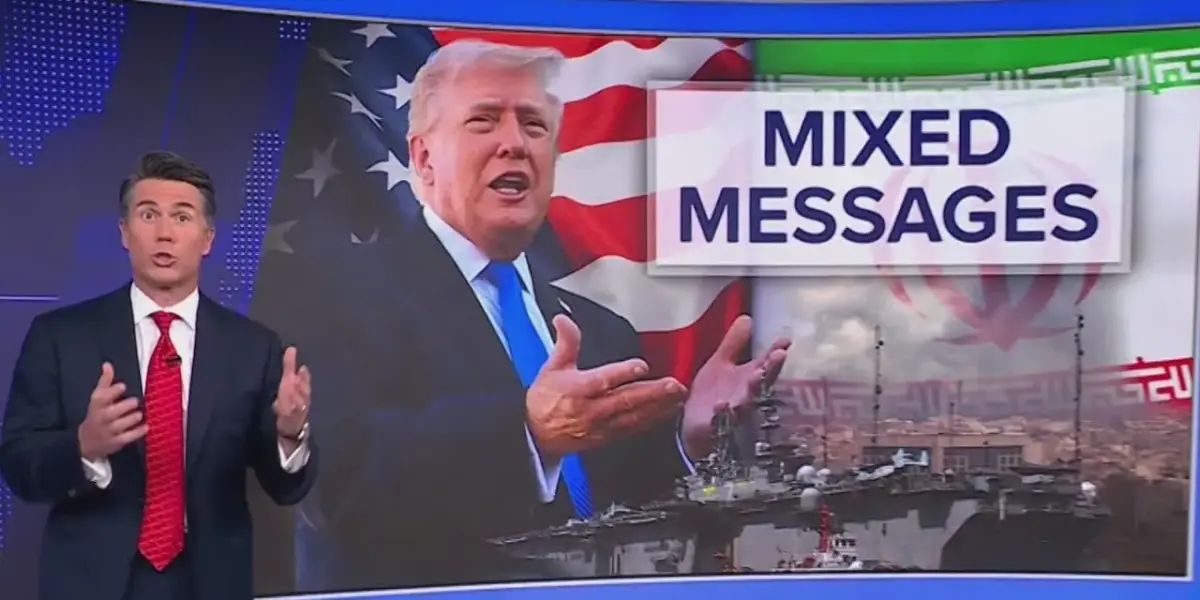
President Trump's changing stance on Iran, from demanding surrender to suggesting joint control of the Strait of Hormuz, has created widespread public confusion. This ambiguity complicates efforts to assess U.S. military success and raises questions about long-term strategy, impacting global stability and oil markets.

Trump’s Iran Strategy Shifts Amid Global Confusion
President Trump’s approach to Iran has shifted from demanding complete surrender to suggesting joint control of a key waterway. This change in tone has left many Americans confused about the actual goals of U.S. policy. The situation is complex, with different interpretations of whether the U.S. is winning or losing.
Conflicting Messages Create Uncertainty
Initially, President Trump seemed to want Iran to surrender completely. Then, he suggested that the U.S. and Iran could jointly manage the Strait of Hormuz. Some experts believe this mixed messaging is a deliberate tactic, a “head fake,” to distract from potential military actions. Others see it as a sign of indecision or a genuine attempt to find a diplomatic solution.
This confusion is reflected in public opinion. A significant portion of Americans, about 57%, now believe that the military operation against Iran is not going well. However, objective reports suggest the U.S. military is performing exceptionally well. The difficulty in judging success stems from the unclear objectives. Is the goal regime change, control of the Strait of Hormuz, or preventing Iran from getting nuclear weapons?
Motivations of Key Actors
United States: The U.S. government, under President Trump, has long viewed Iran as a threat. This threat includes its nuclear program, its influence in the region, and its support for groups hostile to the U.S. and its allies. Trump’s administration has sought to pressure Iran through sanctions and military deterrence. However, the exact endgame – whether it’s total capitulation, a negotiated deal, or something else – remains unclear to the public.
Iran: Iran’s primary goal appears to be survival and maintaining its current leadership. The regime chants “Death to America” and seeks to counter U.S. pressure. Iran can also influence global oil prices, a tactic it has used to pressure the U.S. by hurting President Trump’s economic standing.
Israel: Israeli Prime Minister Netanyahu has previously advised President Trump against ending operations against Iran too early. This suggests Israel believes Iran cannot be trusted to uphold any agreements. They likely see Iran’s actions as a significant threat to their security.
Historical Context and International Law
The current situation draws parallels to past conflicts where clear goals were established. During World War II, for example, the U.S. had universal support because the goal of unconditional surrender from the Axis powers was clear. In contrast, the ambiguity surrounding U.S. objectives in Iran makes it harder for the American public to rally behind the policy.
The idea of negotiating with a regime like Iran, especially one considered an existential threat, raises historical concerns. Past deals made with aggressive regimes have often led to negative outcomes. The analogy is made to the U.S. making deals with Hitler during World War II, which proved disastrous.
Economic Leverage and Sanctions
Economic pressure, particularly through sanctions, is a major tool in the U.S. strategy against Iran. These sanctions aim to cripple Iran’s economy and force it to change its behavior. However, Iran has shown resilience and can still impact global markets, notably through oil prices.
The Strait of Hormuz is a critical chokepoint for global oil transport. Any disruption there would have significant economic consequences worldwide. The U.S. has a vested interest in ensuring freedom of navigation through this vital waterway.
Shifting Power Balances and Future Scenarios
The current policy has led to a situation where nearly half of Americans find it acceptable to leave Iran’s current leadership in power. This suggests a potential disconnect between the administration’s stated or implied goals and public perception. The U.S. military is capable, but the lack of clear objectives makes it difficult to assess success.
One future scenario is that the current confusion is a deliberate strategy by the Trump administration to keep Iran off balance while pursuing diplomatic or military options. Another possibility is that the administration is genuinely struggling to define its objectives and communicate them effectively. The involvement of allies like Israel, who have different threat perceptions and strategic interests, further complicates the situation.
Scenario 1: Diplomatic Breakthrough. Trump’s administration could successfully negotiate a new deal with Iran, perhaps addressing its nuclear program or regional activities. This would require Iran to make significant concessions and would likely face skepticism from allies like Israel.
Scenario 2: Escalation. If diplomatic efforts fail or are perceived as weak, there could be a move towards more direct military action, potentially involving ground troops. The mention of the 82nd Airborne division suggests this possibility.
Scenario 3: Status Quo with Pressure. The U.S. could continue its current strategy of sanctions and deterrence, aiming to contain Iran without full-scale conflict or a definitive diplomatic resolution. This could lead to ongoing regional tensions.
Global Impact
The U.S. approach to Iran has ripple effects across the globe. It impacts international oil markets, regional stability in the Middle East, and the effectiveness of international sanctions regimes. The confusion surrounding U.S. policy can embolden adversaries and create uncertainty for allies, potentially reshaping regional alliances and global power dynamics.
The effectiveness of U.S. foreign policy relies heavily on clear communication and consistent objectives. When these are lacking, as seems to be the case with Iran, it undermines public support at home and confidence abroad. This can lead to unintended consequences and a less stable international order.
Source: Trump's mixed messaging may be a head fake: Vittert | On Balance (YouTube)

Related Articles

G7 Allies Clash Over Iran War Strategy, Urge Focus on Russia
G7 foreign ministers met in Paris, revealing deep divisions over the U.S. war with Iran. European allies urged the U.S. to pressure Russia, linking its actions to the conflict and fearing support for Ukraine will wane.

Iran Blocks China Ships, Exposing Beijing’s Weak Grip
Iran's recent decision to block Chinese ships at the Strait of Hormuz is exposing the limits of Beijing's influence in the Middle East. This action is causing delays and cancellations for Chinese manufacturers, turning a perceived geopolitical win into an economic strain.
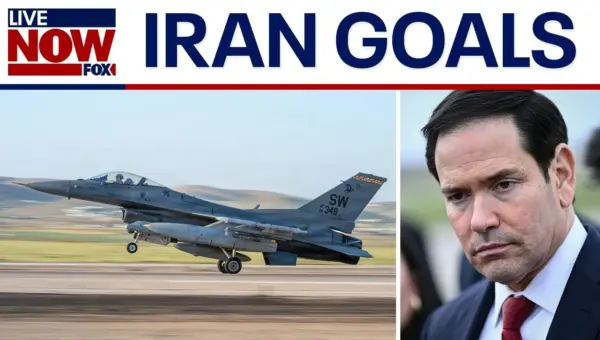
Rubio: US Can Achieve Iran War Goals Without Troops
Senator Marco Rubio outlined a strategy to counter Iran without deploying U.S. ground troops, focusing on weakening the regime and enhancing maritime security. He also criticized Cuba's economic system and expressed concerns about West Bank violence.