Trump’s Iran Strategy: Regime Degradation or Escalation?
Experts debate whether President Trump's strategy is effectively degrading Iran's capabilities or escalating tensions. The administration claims significant progress in weakening the regime, while critics worry about potential conflict and war crimes. The outcome could impact global energy markets.

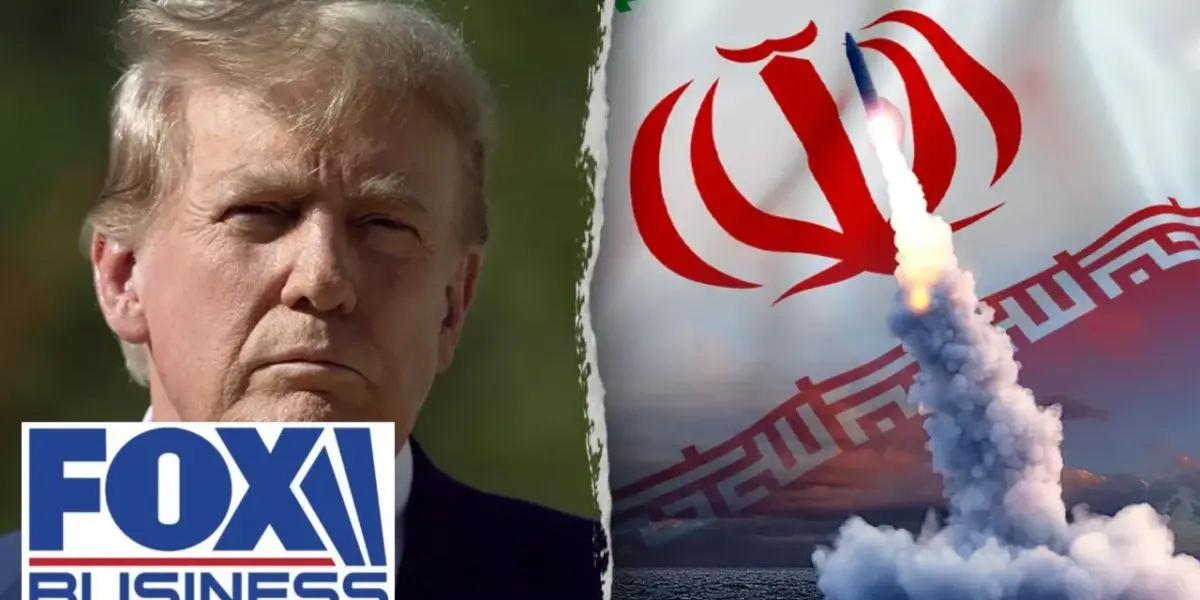
Trump’s Iran Strategy: Regime Degradation or Escalation?
The Trump administration has pursued a policy aimed at weakening Iran’s ruling system, leading to significant pressure on the regime. Experts suggest this approach has achieved substantial “regime degradations,” diminishing Iran’s operational capabilities and those of its allied groups. This strategy has placed Iran at a critical juncture: either negotiate a deal on American terms or face further crippling actions.
Alex Gray, former Chief of Staff for the National Security Council, noted that the administration has largely met its initial goals for pressuring Iran. He stated that the President has brought the Iranian regime to a point where its capacity has been significantly reduced, perhaps beyond what many expected just a few months ago. The current period, leading up to a specific deadline, is considered crucial. The President has repeatedly called for Iran to come to the negotiating table. If Iran does not agree to a deal, Gray believes the administration is prepared to “finish the job” and “completely eviscerate” what remains of Iran’s operational power.
US Military Strength on Display
Gray described the current situation as an “extraordinary show of American military capability.” He compared it favorably to displays seen since at least the Persian Gulf War. Regardless of whether Iran agrees to a deal, the administration views its actions as a significant accomplishment.
Jonthan Schanzer, Executive Director of the Foundation for Defense of Democracies, elaborated on the potential next steps. He mentioned that President Trump has indicated that future actions could target power plants and infrastructure. However, some critics, including Democrats, have raised concerns that such actions could be considered war crimes. Conversely, other voices, both domestically and internationally, urge the administration to continue its pressure and “finish the job.” President Trump has also highlighted the perspective of Iranian civilians, suggesting they welcome the pressure because they want the job completed.
Iran’s Options and Regional Reactions
Schanzer explained that President Trump has maintained maximum flexibility in his approach. This means he can continue negotiations, extend deadlines, or escalate military actions, including potentially targeting Iran’s Strait of Hormuz access. This unpredictability, Schanzer argued, leaves both the Iranian regime and adversaries in Washington confused about the next move. He sees this confusion as part of the strategy.
Regarding infrastructure, Schanzer pointed out that Israel has already taken action. In the past 24 to 48 hours, Israel reportedly struck two major petrochemical plants. These operations alone are estimated to have cost Iran $20 billion in lost revenue. Schanzer suggested that these Israeli actions would be dwarfed by what President Trump is threatening. He found it remarkable that the rest of the region and the Iranian people are reportedly supportive of these actions, as they will ultimately bear the burden of rebuilding the country.
Debate Over Rhetoric and Diplomacy
The discussion also touched on the role of rhetoric in international relations. Senator Tim Kaine urged President Trump to moderate his language, warning that aggressive rhetoric could endanger U.S. service members if captured. However, Alex Gray dismissed this concern as “absolutely absurd.” He argued that Iran has chanted “Death to America” since 1979 and will continue to target American assets and personnel regardless of U.S. rhetoric. Gray suggested that anyone blaming President Trump’s words for potential problems suffers from “acute Trump Derangement Syndrome.”
The conversation also contrasted President Trump’s approach with that of former President Barack Obama. Representative Ro Khanna suggested that a more “statesmanlike” approach, like Obama’s, was needed. Schanzer strongly disagreed. He characterized President Trump’s engagement as diplomacy aimed at achieving American objectives. In contrast, he described Obama’s actions, particularly during the 2013 and 2015 nuclear deals, as “capitulation.” Schanzer cited the transfer of billions of dollars to Iran under the Obama administration, which he believes funded Iran’s nuclear program, missile development, and drone attacks against allies. He concluded that Obama’s approach was unsuccessful and that the current pressure is having the right impact, leaving the Iranian regime “scared” and “nervous.”
Market Impact
While the article focuses on geopolitical strategy rather than direct financial markets, heightened tensions with Iran can influence global oil prices due to potential disruptions in the Strait of Hormuz, a key shipping route. Increased military posturing or conflict could lead to price spikes. Conversely, a successful diplomatic resolution or a swift degradation of Iran’s capabilities, as suggested by proponents of the current strategy, could lead to greater stability and potentially lower oil prices in the long term. However, the immediate impact often involves increased volatility in energy markets and related sectors.
What Investors Should Know
Investors monitoring the situation should pay attention to developments in the Persian Gulf and their potential impact on energy supplies. Geopolitical instability can create uncertainty, affecting not only oil prices but also broader market sentiment. Companies with significant operations or investments in the Middle East, as well as those in the defense and energy sectors, may see their stock prices react to news flow. Understanding the administration’s stated goals—whether focused on negotiation or further “degradation”—is key to assessing potential future risks and opportunities in the region.
Source: ‘INCREDIBLE REGIME DEGRADATION’: Trump could ‘eviscerate’ Iran soon, says expert (YouTube)

Related Articles

Iran Strikes Saudi Oil Hub, Threatening Global Energy
Iran's successful ballistic missile strike on Saudi Arabia's Jubail petrochemical complex exposes the vulnerability of global energy supplies. The attack threatens millions of barrels of oil and refined products, potentially causing price spikes and economic instability worldwide. This escalation signals a dangerous new phase in regional power dynamics.
25th Amendment Calls: Can JD Vance Act Against Trump?
Searches for the 25th Amendment are spiking as public figures and citizens demand action regarding Donald Trump's behavior. The process hinges on Vice President JD Vance, who must secure support from Congress or the Cabinet to initiate removal. This analysis explores the challenges and potential future actions, including congressional hearings if Democrats regain control.

Fox News Hosts Falter as Trump’s Iran Stance Backfires
Fox News personalities appeared flustered and divided as Donald Trump's aggressive stance on Iran faced rejection and criticism. The segment highlighted conflicting narratives, blame-shifting, and defenses of Trump's image amidst international tensions.