Trump’s Iran Strategy: Off-Ramp or Escalation?
President Trump urged allies to secure their own oil from the Strait of Hormuz, highlighting U.S. frustration with the ongoing Iran conflict. Experts warn of a potential European energy crisis and suggest historical lessons, like the failed Gallipoli campaign, caution against military shortcuts, advocating instead for negotiated diplomatic solutions.

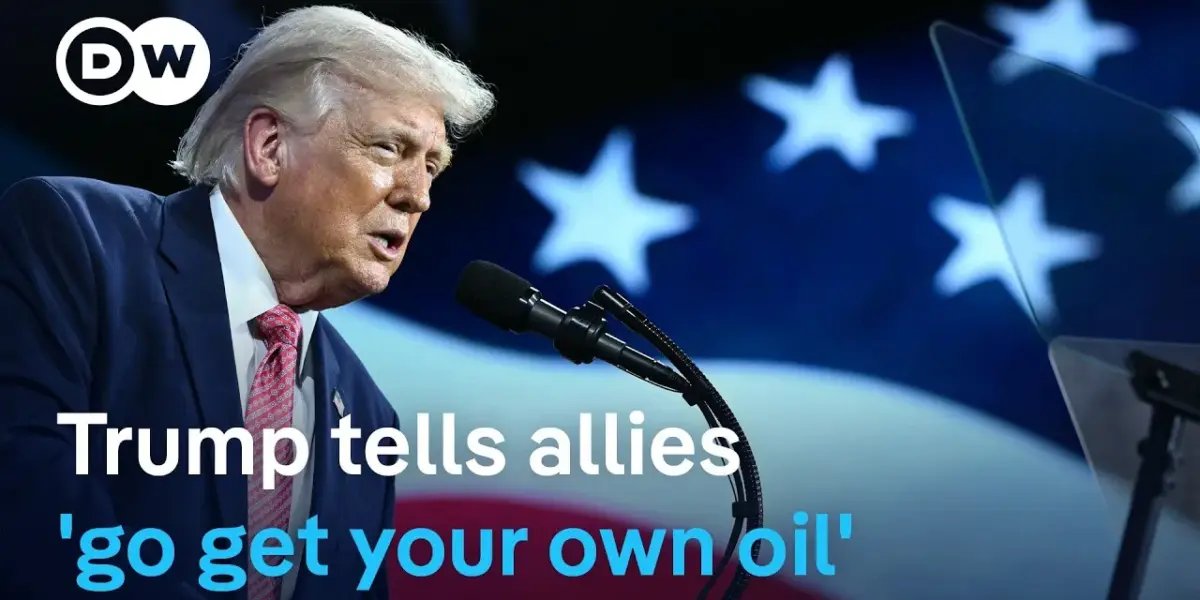
US Allies Urged to Secure Own Oil Amid Iran Conflict
President Trump has publicly called on allies, including the UK, to take responsibility for securing their own oil supplies from the Strait of Hormuz. In a social media post, Trump urged nations not directly involved in the conflict to “go to the Strait and just take it,” suggesting they purchase oil from the U.S. and find their own courage to act. This statement highlights growing frustration within the Trump administration regarding the inability to quickly resolve the ongoing conflict with Iran.
Defense Secretary: Iran Weakened but Not Defeated
Defense Secretary Pete Hexith stated that while Iran has been significantly weakened by U.S. actions, it has not yet been fully defeated. He anticipates the coming days will be crucial, noting that Iran is aware of this and has limited military options. Hexith acknowledged that Iran may still launch missiles, but U.S. forces are prepared to intercept them. Recent intelligence indicates a decrease in Iranian missile and drone activity, with U.S. strikes reportedly damaging military morale, causing personnel shortages, and frustrating senior Iranian leaders.
Europe Faces Energy Crisis Amidst Conflict
The European Union is urging member states to reduce domestic fuel demand due to soaring energy prices caused by the Middle East conflict. EU Energy Commissioner has warned that the situation could worsen, encouraging member states to consider demand reduction measures. Aviation analysts are also concerned about a potential jet fuel shortage within the next week. Energy security expert Benjamin Schmidt commented on the severity of the situation, stating that if allies could simply “take their own oil out of the Straits of Hormuz,” the current crisis would not exist. He described Trump’s suggestion as disingenuous.
Critical Gas Storage Levels in Europe
Schmidt further elaborated on Europe’s energy challenges, pointing to critically low natural gas storage levels. As of late spring, European storage is around 28% full, with Germany at 22% and the Netherlands at only 6%. This precarious situation underscores the need for focused energy security measures. European energy ministers met to discuss practical steps to address these concerns. The U.S. has been a vital energy security partner for the EU, especially since Russia cut off natural gas supplies in 2022. However, Schmidt cautioned that global supply is limited, and potential Houthi involvement in the Red Sea could further disrupt shipping lanes, necessitating “vigorous energy diplomacy” from the EU with the U.S. and Middle Eastern partners.
Historical Lessons for Trump’s Iran Strategy
Asla Adin Tashbash, a fellow at the Brookings Institution, suggested that historical lessons could offer President Trump a credible path to end the Iran conflict. She referenced a failed World War I gamble by Winston Churchill at Gallipoli as a cautionary tale against forceful military solutions. Tashbash argued that President Trump does have an “off-ramp” but needs to declare victory and find a formula to reopen the Strait of Hormuz, which is currently controlled by Iran. She believes simply declaring a change in regime is insufficient when a critical global trade route remains closed.
The Gallipoli Blunder: A Warning from History
Tashbash explained the Gallipoli campaign, where Churchill, as First Lord of the Admiralty, led an attempt to force passage through the Turkish Straits (Dardanelles and Bosphorus) to knock the Ottoman Empire out of World War I. The campaign resulted in over 130,000 deaths and failed to achieve its objective, demonstrating that strategic choke points involve more than just military might; they are intertwined with sovereignty, nationalism, and geography. Tashbash warned that a similar attempt to force passage through the Strait of Hormuz could be a risky endeavor for the U.S. military, as Iran possesses asymmetrical capabilities to retaliate.
Defining an Endgame: The Challenge for the U.S.
The U.S. and Israel possess a significant military advantage over Iran, yet Iran retains retaliatory capabilities. The Trump administration has struggled to define a clear endgame for the conflict, with objectives shifting from Iran’s nuclear program to ballistic missiles and now to reopening the Strait of Hormuz. Tashbash stated there is no quick military solution for Hormuz, only a risky and costly one with no guarantees. The U.S. Defense Secretary’s acknowledgment of Iran’s continued retaliatory capacity reinforces this point.
A Negotiated Solution: The Montreux Convention Model
Tashbash proposed a solution inspired by the 1936 Montreux Convention, which guarantees safe passage through the Turkish Straits. She suggested a narrowly defined, negotiated maritime deal for the Strait of Hormuz. This would require negotiations involving Iran, Oman, and Gulf Arab states. While acknowledging that such diplomacy is painstaking and requires patience, Tashbash emphasized that choke points are resolved through geopolitical balance and negotiated compromises, not solely through military power. She advocates for multilateralism, even if it is difficult.
Middle Powers as Mediators
While direct U.S.-Iran talks may not be necessary, Tashbash suggested that regional countries could act as mediators. She pointed to an emerging group of Sunni nations, including Egypt, Turkey, Saudi Arabia, and Pakistan, as potential intermediaries. These middle powers could negotiate an off-ramp and a maritime deal with Iran, providing a face-saving solution for both the Iranian regime and President Trump, who is reportedly concerned about being drawn into a prolonged Middle Eastern war. Tashbash concluded by reiterating that historical parallels, like Churchill’s World War I missteps, show there are no easy shortcuts, and military action alone is unlikely to resolve the complex issues with Iran.
Source: Iran: Does Trump have a realistic off-ramp, or is the U.S. sliding toward a longer war? | DW News (YouTube)

Related Articles
Global Power Shift: US Dollar Faces New Challenges
Geopolitical tensions and economic headwinds are signaling a potential end to the U.S. dollar's global dominance. A developing alternative financial system involving Iran, Russia, and China could reshape international trade and investment.

Global Energy Shock Looms: Iran War Threatens Supply, Prices
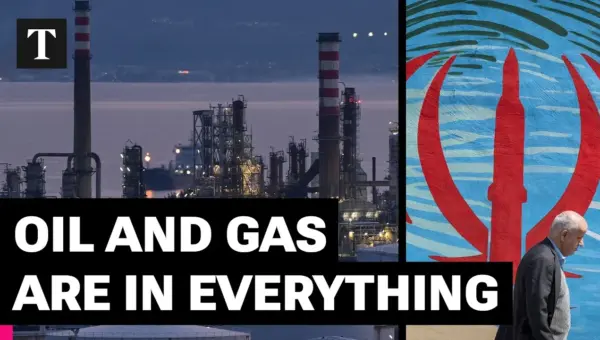
A widening energy crisis, stemming from the conflict in the Middle East, threatens global economic stability. Economist Liam Halligan warns of potential price shocks, plastics shortages, and even future food insecurity due to disrupted oil, gas, and fertilizer supplies. The UK, as a net energy importer, faces particular vulnerability.
Dem Hopeful’s Silence on Khamenei Death Sparks Outrage
A leaked audio recording reveals a Michigan Democratic Senate hopeful's alleged advice to stay silent on Ayatollah Khamenei's death, sparking outrage. The controversy occurs amid an internet blackout in Iran, hindering potential uprisings. The candidate's stance raises questions about political alignment and voter sympathy.