Trump’s Iran Strategy Lacks Planning, Draws Global Scrutiny
President Trump's administration is facing intense criticism for a lack of clear planning and contradictory messaging regarding the conflict with Iran. Former officials describe the approach as 'amateur hour,' citing predictable consequences like disruptions to global energy markets and the handling of civilian casualties.

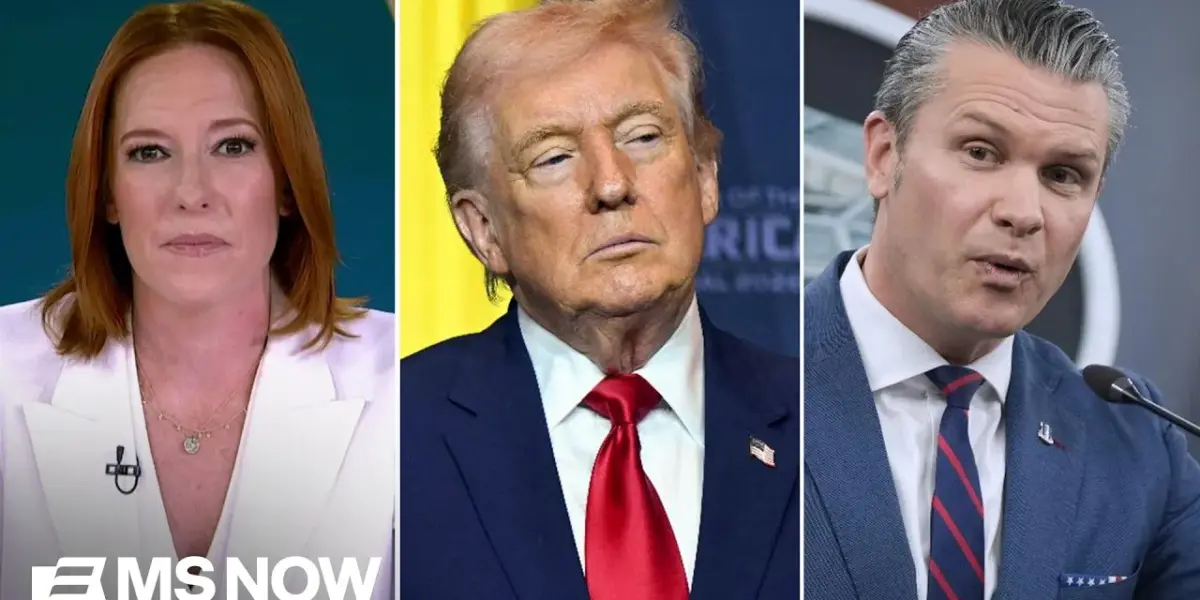
Trump’s Conflicting Statements Undermine Iran Strategy
In the midst of escalating tensions with Iran, President Donald Trump’s administration is facing sharp criticism for a perceived lack of coherent planning and consistent messaging regarding its military objectives and the ongoing conflict. This has led to widespread confusion and concern, with former high-ranking officials questioning the administration’s grasp of the complex geopolitical realities.
Trump has repeatedly issued contradictory statements about the nature and duration of the conflict. When pressed to reconcile these opposing viewpoints, such as declaring the war “very complete” while his Defense Secretary indicated it was merely the “beginning,” Trump has often responded by suggesting both statements could be true simultaneously. This ambiguity has become a recurring theme, with new, conflicting statements emerging daily, leaving allies, adversaries, and the American public uncertain about U.S. policy.
Experts Decry ‘Amateur Hour’ Approach to Iran Conflict
Former U.S. Ambassador to Russia Michael McFaul and former Deputy National Security Advisor Ben Rhodes, both of whom served during the Obama administration, have been vocal critics of the current approach. Having participated in numerous contingency meetings concerning Iran, they express dismay at what they describe as a predictable scenario unfolding without adequate foresight or strategic depth from the White House.
“Donald Trump wants this to play out, like on his own terms, on his own timelines. And that’s not at all what’s happening in Iran. It’s not what’s happening in the region. And it’s not what’s happening around the world. And all of what is happening is predictable. I did sit in contingency meetings about this exact scenario, war with Iran over a decade ago and all of these things would… They are going to talk about the Iranian system, the Islamic Revolutionary Guard Corps, the IRGC is the most powerful force inside Iran. They are going to emerge in any kind of power vacuum.”
Ben Rhodes
Rhodes emphasized that the Iranian regime is a deeply entrenched ideological machinery, not something that can be dismantled through a few weeks of airstrikes. He pointed out that the Islamic Revolutionary Guard Corps (IRGC) is the most powerful force within Iran and would likely fill any power vacuum created by military action.
Civilian Casualties and the President’s Response
A significant point of contention has been the administration’s handling of civilian casualties, particularly following reports of a preliminary investigation finding the U.S. likely responsible for a strike on a school in Iran. Trump’s assertion that he was unaware of the incident has been met with skepticism.
“It’s absurd that he just shrugs and says, ‘I don’t know anything about that.’ Both worlds are bad, right? If he doesn’t know anything about that, why is his team not briefing him? And if he does and he’s lying about it, that’s equally bad. But the second part, I just find it immoral, the way he talks about it… It is appalling and it makes us look weak. It makes us look like other thugs in the world. You know, Vladimir Putin talks this way. Why are we now, the United States of America talking this way? I think it has really big, long-term damage to our reputation that people in the White House are not thinking about.”
Michael McFaul
McFaul found the casual dismissal of civilian casualties to be not only strategically weak but also morally reprehensible, contrasting it with the concerns of Iranian-Americans who oppose the regime but are also outraged by the killing of children. He argued that such a response damages America’s international reputation and aligns its rhetoric with authoritarian leaders like Vladimir Putin.
Strait of Hormuz Blockade: A Predictable Consequence
The disruption of shipping through the Strait of Hormuz, a critical chokepoint for global energy supplies, has also been highlighted as a predictable outcome that the administration appeared unprepared for. Approximately 20% of the world’s energy flows through this waterway.
Rhodes explained the multifaceted threat posed by Iran in the Strait: the potential to attack tankers, thereby deterring shipping companies, and the possibility of laying mines, which creates an unpredictable and devastating hazard for maritime traffic. He noted that the economic consequences are already being felt, with potential long-term impacts on global energy markets.
Economic Repercussions and Geopolitical Fallout
The ramifications extend beyond immediate military concerns. The disruption in the Strait of Hormuz has led to increased oil prices, directly benefiting Russia, as President Putin is able to sell more oil at higher rates. Furthermore, if global energy flow is significantly hampered, countries like India and potentially European nations may increase their reliance on Russian oil.
McFaul and Rhodes stressed that even if the conflict were to end quickly, restarting the flow of oil and shipping through the Strait could take weeks, or even months if mines are involved. This prolonged disruption could inflict serious and devastating economic damage on the global economy, leading to higher prices for consumers worldwide.
The experts characterized the administration’s apparent surprise at these predictable consequences as “amateur hour.” They argued that the focus on transactional outcomes, such as oil prices, overlooks the broader strategic and moral implications of the conflict, particularly the human cost and the damage to America’s standing on the world stage.
Looking Ahead: Accountability and Strategy
As the situation in Iran continues to unfold, the focus will remain on the administration’s ability to articulate a clear, consistent, and strategically sound policy. International observers, allies, and adversaries alike will be closely watching for signs of a more robust and well-considered approach, particularly concerning the management of regional stability, the prevention of civilian casualties, and the protection of vital global economic interests.
Source: 'AMATEUR HOUR': Trump looks foolish before the world with self-evident poor planning in Iran (YouTube)

Related Articles

U.S. Iran Tensions Rise Amid Shifting Alliances
Rising tensions between the U.S. and Iran are creating a volatile geopolitical situation. With conflicting signals on de-escalation and potential shifts in alliances like NATO and U.S.-Israel relations, the path forward remains uncertain. The global economy and regional stability hang in the balance.


Iran Targets US With Cyberattacks, Escalating Digital Warfare
Iran is increasingly using cyberattacks to challenge the U.S., as seen in a recent hack of the FBI director's account. Experts say this is a strategic shift due to Iran's limitations in conventional warfare. The U.S. needs to strengthen its digital defenses, focusing on encryption and cloud computing, rather than solely relying on traditional security measures.

Iran Hacks FBI Chief, Exposing U.S. Cyber Vulnerabilities
A recent hack of FBI Director Kash Patel's personal email by an Iran-linked group highlights Iran's growing cyber threat to the U.S. Experts explain how simple security oversights are exploited, emphasizing the need for basic defenses like two-factor authentication to protect against propaganda and potential infrastructure attacks.