Trump’s Iran Strategy Lacks Clarity, Experts Say
Former U.S. officials describe President Trump's Iran strategy as "confused, not calculated," lacking a clear direction. As Trump prepares to address the nation, experts express doubt about significant policy announcements, suggesting the speech may focus on framing past actions as successful. Concerns linger over the potential deployment of troops and the impact on regional allies.

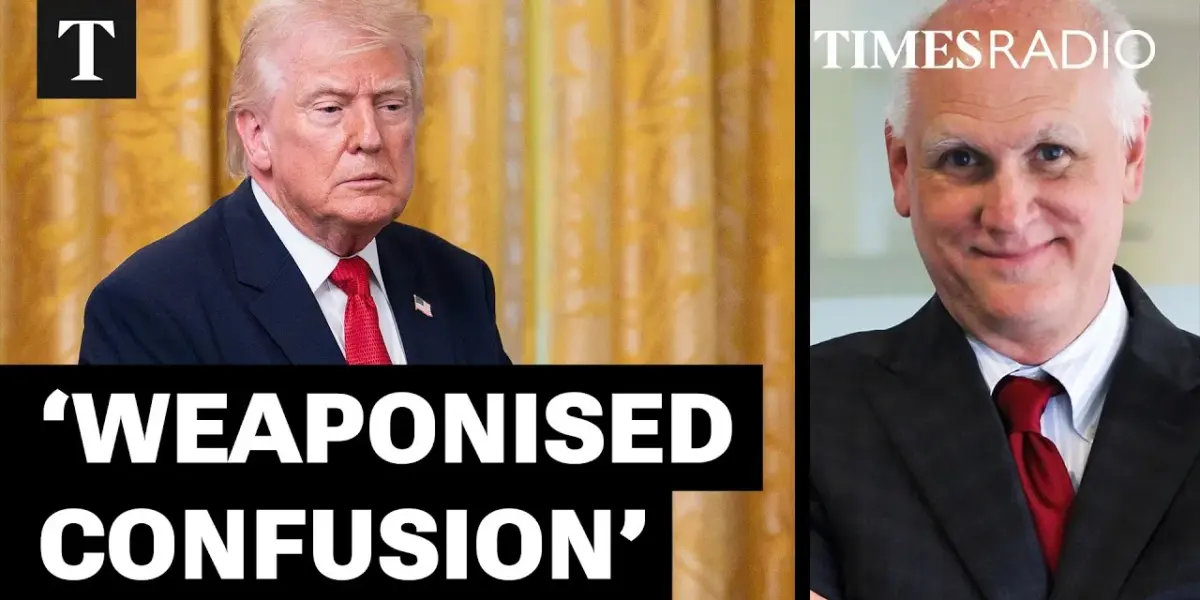
Trump’s Iran Policy Dubbed ‘Confused,’ Not Strategic
President Donald Trump’s approach to Iran has been characterized as “confused, not calculated” by former officials, who suggest his public statements and policy decisions lack a clear, overarching strategy. This assessment comes as the President prepares to address the nation on the ongoing situation with Iran, a move that has fueled speculation about his administration’s intentions.
Trump recently claimed via social media that Iran had requested a ceasefire, stating, “Iran’s new regime president, much less radicalized and far more intelligent than his predecessors, has just asked the United States of America for a ceasefire. We will consider when Hormus Strait is open, free, and clear. Until then, we are blasting Iran into oblivion, or as they say, back to the stone ages.” These remarks, delivered in his characteristic stream-of-consciousness style, have added to the ambiguity surrounding U.S. policy.
Mixed Expectations for Presidential Address
Mick Mulvaney, former White House Chief of Staff under Trump, expressed skepticism about the upcoming presidential address. “I expect more sales than anything,” Mulvaney told Times Radio. “I don’t expect any big announcements. I don’t expect him to come out and say we’re starting a ceasefire tomorrow.”
Instead, Mulvaney anticipates a “summary and a sales job,” where the President will explain why he believes his Iran policy has been successful and has benefited the American public. He pointed to Trump’s recent justification of high gas prices by stating, “Yes, but people are much safer,” suggesting the President may try to frame the costs incurred as worthwhile for perceived increased security.
Defining ‘Victory’ in Iran
The central question remains: what constitutes a victory in Iran, especially with a hardline regime still in power? Mulvaney suggested that Trump could point to the damage inflicted upon Iran’s nuclear capabilities as a tangible success. “The ability to turn that into weapons has been set back probably years if not longer,” he noted.
However, Mulvaney was less convinced about claims of true regime change or an end to Iran’s regional disruptive activities. He also stressed the difficulty of claiming victory if the Strait of Hormuz remains closed. “If he leaves with the straits closed that history will judge him very very harshly,” Mulvaney stated, arguing that an Iran controlling vital shipping lanes makes a true victory claim hollow.
Strategic Ambiguity or Genuine Confusion?
The administration’s strategy, or lack thereof, has been described by some as “weaponized confusion.” Jim Townsend, former Deputy Assistant Secretary of Defense, believes this description might be inaccurate. “I think it’s the president who’s confused,” Townsend said. “I think they’re trying to put lipstick on a pig.”
Townsend characterized Trump’s style as akin to “the drunk at the end of the bar who’s got an opinion about everything.” He believes this stream-of-consciousness approach is not a calculated tactic but simply the President’s natural way of communicating. “I just think that’s the way it is. And people around him are trying to put a happy face on it,” Townsend added.
Concerns Over Ground Troops and Allies
Townsend also voiced strong reservations about the potential deployment of U.S. ground troops, particularly in areas like Qeshm Island, calling it a “major mistake” due to potential casualties and long-term implications. He echoed the sentiment that Trump might declare his goals met and then withdraw, leaving the responsibility of keeping the Strait of Hormuz open to European and other international partners.
This approach, Townsend suggested, could leave Gulf allies feeling abandoned. “I think they’re already let down,” he stated, citing reports of allies seeking separate defense agreements. These allies, he believes, might be better positioned to negotiate with Iran to reopen the straits, as they must coexist with the regime long-term.
The Path Forward
As the situation unfolds, the true impact of the Trump administration’s Iran policy remains uncertain. The upcoming presidential address may offer some clarity, but the persistent ambiguity surrounding the strategy leaves many questioning the long-term consequences for regional stability and U.S. interests. The effectiveness of any declared victory will likely be measured by Iran’s future actions and the ability to ensure freedom of navigation in vital waterways.
Source: Donald Trump’s Iran Strategy Is ‘Confused, Not Calculated’ | Jim Townsend (YouTube)

Related Articles
US Fighter Jet Downed in Iran; One Crew Member Rescued
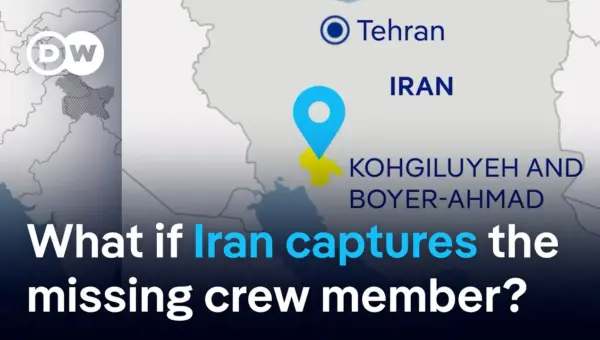
A U.S. fighter jet was shot down over Iran, triggering a high-risk rescue mission. One crew member has been reportedly rescued, but the status of the second remains unknown. The incident raises questions about Iran's air defense capabilities and could impact U.S. public support for the ongoing conflict.
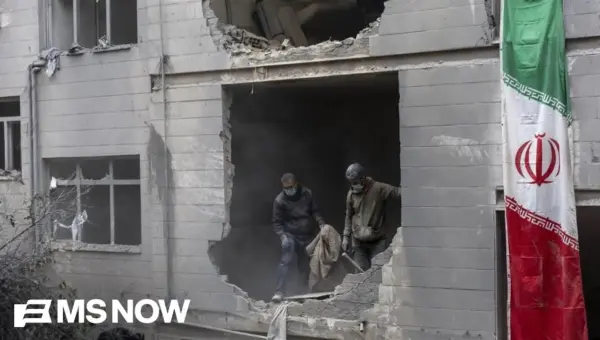
Iran Downs US Jet, Pilot Missing Amid Propaganda Victory
An American F-15 fighter jet was shot down by Iranian forces, marking a significant propaganda victory for Iran and challenging U.S. claims of diminished Iranian air power. One pilot has been rescued, but the second remains missing amid a tense search and rescue operation.
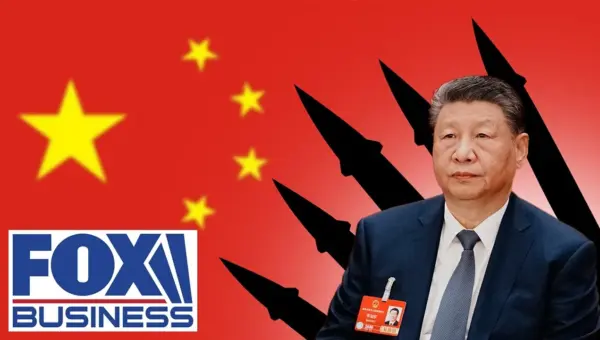
China’s Cyberattacks and Island Building Raise Alarm
China's recent cyberattacks and intensified island-building in the South China Sea are raising global alarms. While the U.S. regains ground in the space race, concerns grow over China's assertiveness and its impact on regional stability and international commerce.