Trump’s Iran Strategy Fuels Global Instability
Reports suggest the US has lost strategic ground in its conflict with Iran, as the Strait of Hormuz remains effectively closed. This has emboldened Iran, disrupted global oil supply, and raised concerns about potential market manipulation by former President Trump.


Trump’s Iran Strategy Fuels Global Instability
The United States is facing a significant setback in its foreign policy regarding Iran, with claims that the nation has effectively lost a crucial strategic conflict. This assertion stems from the failure to achieve key objectives, such as curbing Iran’s ability to fund proxies and halt its nuclear enrichment program. Instead, Iran appears to be gaining more influence in the region, particularly by controlling vital shipping lanes.
The Strait of Hormuz: A Critical Chokepoint
The Strait of Hormuz, a narrow waterway through which about a quarter of the world’s oil supply passes, is now effectively closed to Western-allied ships. Reports indicate that only a small number of ships are transiting daily, a stark contrast to the hundreds that passed before the recent escalation. This situation allows Iran to control this critical chokepoint, giving it leverage to extort the global economy. This strategy, once an Iranian tactic, has now been legitimized by the current geopolitical climate.
“The Iranians are not simply using short-term extortion. They are getting richer and richer by carving a new leverage pathway… The fact that they can just open or close a Strait of Hormuz at will gives them more leverage than they would have had otherwise.”
Conflicting Signals and Failed Ceasefires
The narrative surrounding the conflict is marked by contradictions. While some officials claim military goals have been met, the reality on the ground suggests otherwise. The Pope, a consistent voice for peace, has spoken out against the violence, urging for dialogue and coexistence. His statements imply a critique of actions that lead to widespread suffering and loss of innocent lives, particularly in regions like Lebanon where civilian deaths have surged, even during alleged ceasefires. These ceasefires have proven fragile, failing to hold for even short periods, and have been followed by continued violence, raising questions about their effectiveness and the true nature of the conflict’s progression.
Economic Repercussions and Delayed Impacts
The closure of the Strait of Hormuz is expected to have significant economic consequences, with potential jet fuel shortages in Europe within weeks. This illustrates a delayed supply shock, where the full impact of the disruption is yet to be felt. The immediate rise in gas prices reflects anticipatory fears, but the true crisis will emerge when ships stop arriving at ports. This highlights how Iran’s actions can disrupt global trade and impact economies far beyond the immediate conflict zone.
Historical Context and Diplomatic Failures
Further analysis reveals a pattern of diplomatic missteps. Reports suggest that Israeli Prime Minister Netanyahu previously pitched the idea of striking Iran to multiple U.S. administrations, including those of President Obama, President Bush, and President Biden, all of whom refused. However, former Secretary of State John Kerry confirmed that only President Trump agreed to the pitch. This suggests a critical decision point where a different approach might have averted the current crisis. The lack of a clear strategy for de-escalation and the reliance on potentially flawed advice have led to a situation where the U.S. appears to be losing influence.
Allegations of Corruption and Market Manipulation
Adding another layer of complexity, former President Trump has been observed making public statements that appear to overlap with his business interests. His posts on Truth Social have included endorsements of companies like Palantir Technologies, even mentioning its stock ticker. Critics argue this behavior suggests a potential attempt to manipulate the stock market and enrich investors, including those associated with the companies he promotes. This raises serious questions about conflicts of interest and the motivations behind foreign policy decisions, especially when they seem to benefit a select few while prolonging conflicts and harming the broader public interest.
Why This Matters
The current situation in the Middle East, particularly concerning Iran and the Strait of Hormuz, carries profound implications for global stability and the world economy. The perceived failure of U.S. policy under President Trump has not only emboldened Iran but also created economic vulnerabilities for nations worldwide. The reliance on military action over diplomacy, coupled with potential conflicts of interest, suggests a foreign policy approach that prioritizes short-term gains or personal benefit over long-term security and prosperity. This situation underscores the need for clear-eyed, strategic foreign policy that prioritizes diplomatic solutions and avoids actions that could inadvertently strengthen adversaries or destabilize critical global trade routes.
Implications, Trends, and Future Outlook
The trend observed is one where Iran has successfully leveraged a critical global chokepoint to its advantage, demonstrating a potent form of economic warfare. This could inspire similar tactics from other nations facing geopolitical pressure. The future outlook suggests continued volatility in oil markets and potential economic hardship for countries reliant on stable energy supplies. The U.S. faces the challenge of re-establishing its credibility and finding an effective off-ramp from a conflict that has yielded unfavorable results. The potential for further economic disruption and regional escalation remains high.
Source: Trump just screwed EVERYONE over… (YouTube)

Related Articles

US Readies Forces to Reopen Strait of Hormuz
The Strait of Hormuz remains largely blocked despite a U.S.-Iran ceasefire, with Iran demanding high tolls and providing IRGC escorts. The U.S. has deployed naval and air assets, including F-15s and mine-sweeping helicopters, signaling readiness to ensure freedom of navigation. The situation raises questions about Iran's control over the IRGC and the potential for further military action.
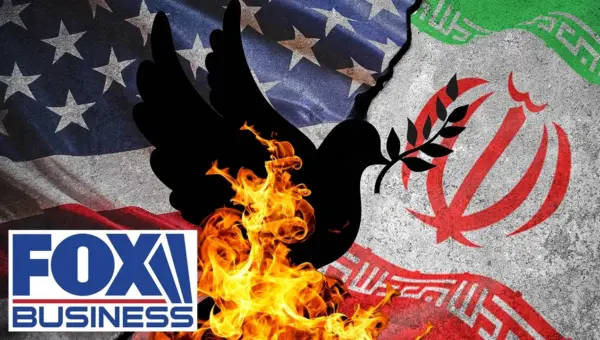
Market Rallies Despite Ceasefire Deal Doubts
Global markets are climbing despite doubts over a Middle East ceasefire deal and a historic drop in U.S. consumer confidence. Investors seem to be betting on de-escalation, even as high prices erode household finances.

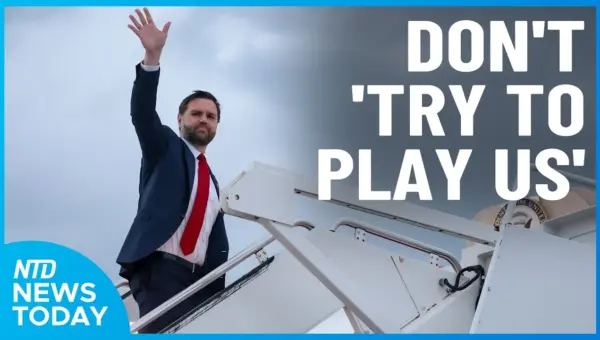
Vance’s Iran Warning: Hormuz Strait Could Reopen Soon
Vice President JD Vance issued a stern warning to Iran ahead of talks in Pakistan, urging them not to "play us." Simultaneously, White House economic adviser Kevin Hassett predicted the vital Strait of Hormuz could reopen within two months, a development with significant global economic implications.