Trump’s Iran Strategy Falters Amidst Iranian Resilience
President Trump's recent address on the Iran conflict left many Americans questioning the justification and timeline, as new polls show a dip in his approval ratings. Despite U.S. military actions, Iran's leadership has shown unexpected resilience, reportedly surprising American and Israeli officials. The economic fallout, including rising oil prices, continues to impact consumers, while international relations are strained by Trump's rhetoric and approach to the conflict.

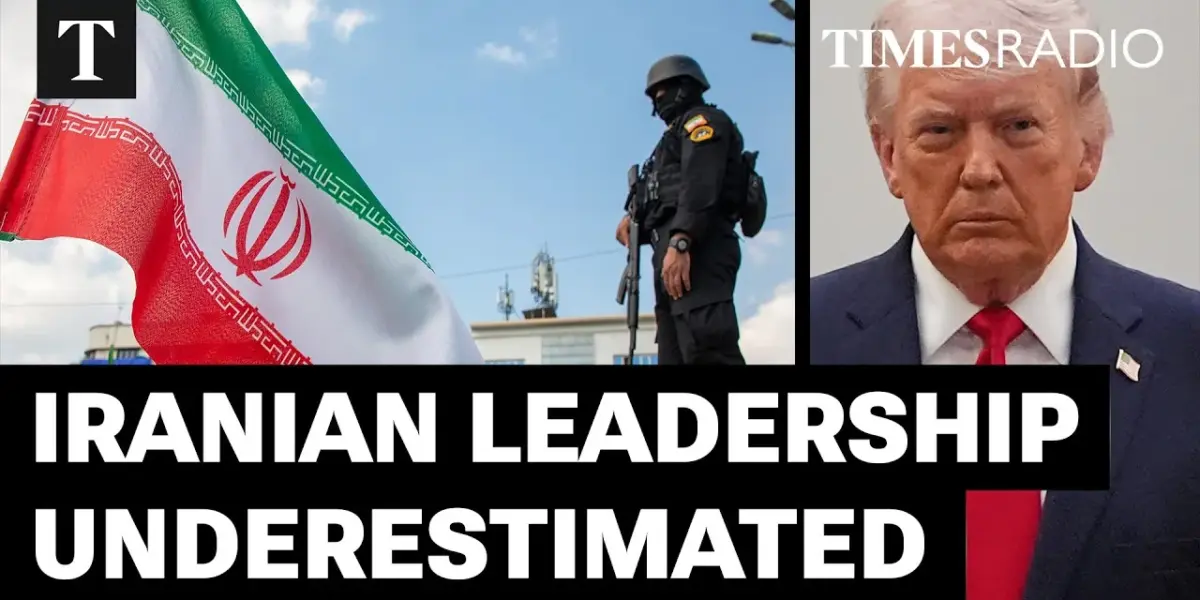
Trump’s National Address Leaves Questions Unanswered
In a recent national address, President Trump updated the American public on the ongoing conflict with Iran. The speech, his first since the military operation began, aimed to justify the actions, highlight achievements, and outline the end timeline. However, many observers felt the address left more questions than answers and came too late.
Trump stated that America was “on track to complete all of America’s military objectives shortly.” He warned that Iran would be hit “extremely hard over the next two to three weeks,” vowing to “bring them back to the stone ages.” He also claimed that regime change, while not an explicit goal, had occurred due to the death of original Iranian leaders, suggesting the new leadership was “less radical and much more reasonable.”
Mixed Reactions and Economic Fallout
The speech was met with a mixed reception. Many Americans felt the address should have occurred at the beginning of the conflict, as confusion about the U.S. involvement lingered from the start. The White House faced criticism for scrambling to justify its actions amidst what many perceived as mixed messaging from the administration. Trump’s initial call for the Iranian people to rise up against their leaders was notably absent from this latest address.
Economically, the speech did not have the intended calming effect. Stock futures plummeted, and oil prices jumped following the address. This economic instability is a concern, especially with the midterm elections approaching. While the U.S. may be somewhat insulated from oil price hikes, the increase in fuel costs at the pump is a tangible impact felt by American consumers.
Polls Show Decline in Trump’s Approval
New polling data reveals a decline in President Trump’s approval ratings since the conflict with Iran began. According to a YouGov poll for The Economist, his approval has dropped by at least four percentage points, falling to about 35% from 39%. This decline is attributed, in part, to the economic concerns felt by Americans, particularly the rising cost of gasoline.
Despite Trump’s assertion that the conflict is “an investment for your grandchildren” and that taking a hit now will be worth it in the long run, this message does not appear to be popular with voters. The economy and economic slowdown remain significant concerns for Americans, and many feel the president has not adequately addressed these issues.
Iran’s Unexpected Resilience
A key takeaway from the situation is the “remarkable resilience” of the Iranian leadership, as noted by U.S. reporter Harriet Alexander. It appears that the U.S. and Israel may have underestimated Iran’s preparedness for such a conflict. Despite targeted strikes against Iranian leadership, new leaders are reportedly ready to step into any vacant roles, and Iran has not shown signs of collapsing.
This unexpected strength from Iran has reportedly taken the Americans by surprise. The Iranian leadership seems to have planned for such scenarios and is withstanding the pressure without caving in any significant way. This resilience challenges the narrative of a swift and decisive U.S. victory.
Diplomatic Maneuvers and European Response
Amidst the military actions, diplomatic signals are also being sent. Trump has publicly stated that the U.S. is “ready to negotiate,” even as military operations continue. This dual approach, often described as a “stick and carrot” strategy, aims to use military might to pressure Iran into negotiations.
Meanwhile, the European Union is considering scaling up its naval forces to protect shipping routes. This comes after a 41-nation call organized by the UK. EU Foreign Policy Chief Josep Borrell has stated that Iran cannot be allowed to charge tolls for ships passing through the Strait of Hormuz. The EU’s existing naval mission in the Red Sea might be expanded to cover this region, aiming to restore safe maritime passage.
International Relations Under Strain
President Trump’s address and subsequent actions have also strained international relations. He made disparaging remarks about French President Emmanuel Macron and his wife, reportedly mocking Macron in a French accent. Macron, while visiting South Korea, responded by stating Trump’s comments do not merit a response, though the remarks have caused anger in France.
Macron also criticized Trump’s handling of the war, emphasizing that it concerns “war and peace and the lives of men and women.” He suggested Trump needed to be more serious and less contradictory in his public statements about the conflict. This highlights a broader concern among allies about the U.S. approach and its impact on global stability.
Looking Ahead
The coming weeks will be crucial in determining the trajectory of the conflict. The U.S. has pledged to increase military pressure on Iran, while simultaneously signaling openness to negotiations. The resilience of the Iranian leadership remains a key factor, potentially prolonging the conflict and its associated economic and political consequences. International efforts to ensure safe shipping routes and diplomatic pressure will also play a significant role in shaping future developments.
Source: Trump Underestimated ‘Remarkable Resilience’ Of Iran’s Leadership | Harriet Alexander (YouTube)

Related Articles

Iran Conflict Escalates: US Strikes Intensify, Allies Divided
President Trump announced intensified US military strikes against Iran, aiming to achieve objectives within weeks while urging allies to secure the Strait of Hormuz. Domestically, plans are underway to pay DHS employees and bypass Democrats on immigration funding, while legal challenges loom over birthright citizenship.
Trump’s Iran Speech: A Public Stumble and Market Jitters
Donald Trump's recent address on Iran raised more questions than answers, with mixed messages about the situation and a noticeable decline in his delivery. The speech, intended to reassure, instead sparked market worries and renewed concerns about his cognitive state, failing to achieve its stated objectives.

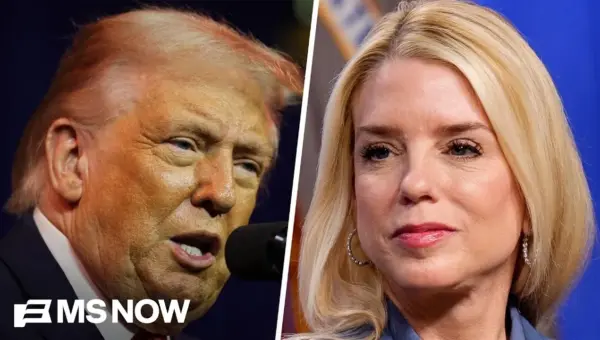
Trump Fires Bondi Amid MAGA Pressure, Ineffectiveness Claims
President Trump has reportedly dismissed Attorney General Pam Bondi amid mounting pressure from the MAGA sphere and criticism over her handling of the Jeffrey Epstein files. Her departure is reportedly due to perceived ineffectiveness rather than disloyalty, highlighting the President's focus on achieving his desired political prosecutions.