Trump’s Iran Strategy Crumbles Amidst Geopolitical Fallout
The Trump administration's Iran policy is facing intense scrutiny amid claims of poor planning and conflicting statements regarding the security of the Strait of Hormuz. Critics point to a lack of international support for escort missions and alleged benefits to Russia, alongside concerns over potential conflicts of interest involving Jared Kushner.

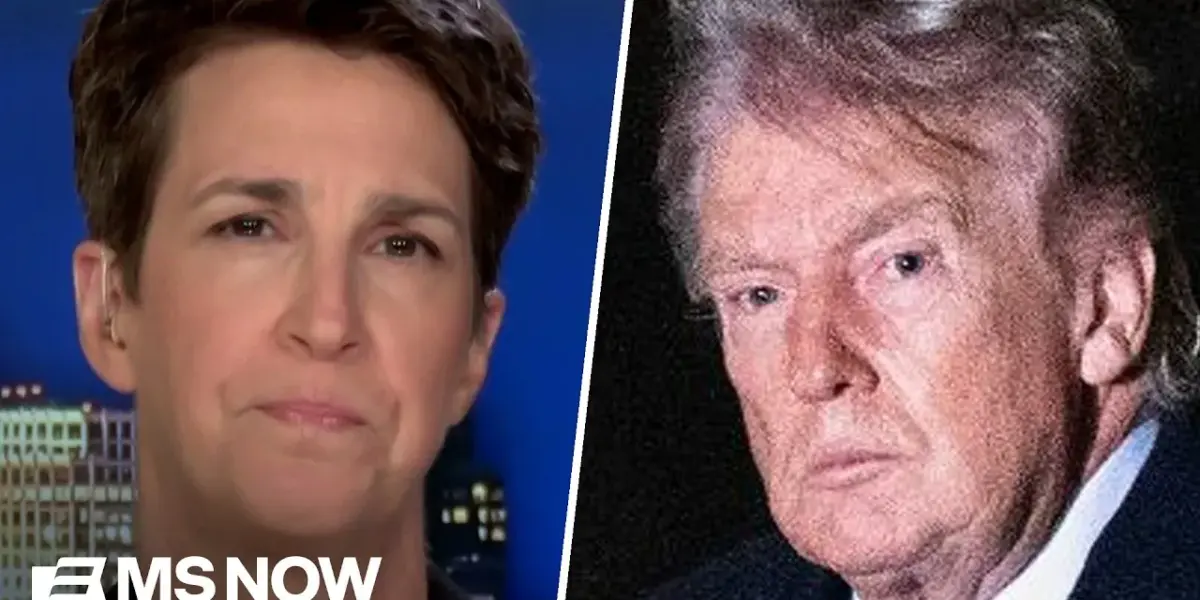
Trump Administration’s Iran Policy Faces Scrutiny Amidst Shifting Alliances and Unforeseen Consequences
In a rapidly evolving geopolitical landscape, the Trump administration’s approach to Iran has come under intense scrutiny, with critics alleging a pattern of poor planning, contradictory statements, and a failure to anticipate the ramifications of its policies. The recent escalation of tensions in the Strait of Hormuz, a vital chokepoint for global oil transport, has exposed significant challenges and raised serious questions about the effectiveness and motivations behind the U.S. strategy.
Conflicting Narratives on Strait of Hormuz Security
The handling of security in the Strait of Hormuz has been a focal point of criticism. Initial reports suggested that U.S. Energy Secretary Chris Wright tweeted about the U.S. Navy escorting ships through the strait, a claim that was reportedly not accurate at the time. This was followed by conflicting statements from defense officials, including the then-Defense Secretary, who stated the Strait was open for transit, despite reports of Iranian attacks on vessels attempting to pass through.
President Trump himself weighed in, urging ship captains to “show some guts and just sail through the strait” on Fox News, asserting that Iran was defeated and would not retaliate further. However, subsequent events saw Iran attack more ships in the very waterway Trump had declared safe. The President then announced that the U.S. Navy would soon begin escorting ships, a proposal that was reportedly met with internal resistance, with some within the Navy describing the potential mission as a “kill box” for U.S. forces.
A Coalition That Wasn’t
In the lead-up to a presidential press conference, administration sources reportedly informed reporters that a coalition of allies was being formed to escort ships through the Strait of Hormuz. This was widely reported as a forthcoming announcement. However, during the press conference, President Trump declared, “We don’t need anybody to help us in the Strait of Hormuz. We don’t need anybody. We can do it ourselves.” This statement was followed by contradictory remarks about allies who would be helping, and then by public criticism and insults directed at allies for not contributing.
Subsequent checks with various governments around the world indicated that no such coalition was being formed, and no countries were stepping forward to assist in the escort mission as Trump had implied. This series of events has led to accusations that the administration’s public statements did not align with the reality on the ground, and that the President was unable to secure the international support he claimed.
Russia’s Strategic Gains Amidst U.S. Policy Missteps
The turmoil surrounding Iran policy appears to have benefited Russia significantly. With rising oil prices fueled by the tensions, the Kremlin’s coffers are reportedly being replenished. More alarmingly, allegations have emerged that Russia is not only profiting from the situation but is also actively cooperating with Iran, potentially to the detriment of U.S. forces. U.S. Ambassador to the United Nations, Mike Walsh, reportedly described Russia’s relationship with Iran as a “wartime, strategic partnership,” with Iranian officials publicly confirming “military cooperation.”
Compounding these concerns, reports indicate that the Trump administration has eased sanctions on Russia on multiple occasions since the escalation of tensions with Iran. Furthermore, a report from Mother Jones magazine detailed actions by the Trump Justice Department to withdraw a guilty plea and reverse a prison sentence for an individual linked to Russian intelligence, who had pleaded guilty to lying to the FBI about fabricated stories concerning President Biden. The court filings for this action were reportedly signed by Todd Blanche, a high-ranking official in the Justice Department.
Questions Surrounding Sanctions Relief and Private Business Interests
Adding another layer of complexity, the Trump Justice Department has reportedly moved to drop a major sanctions case against Hawk Bank, accused of facilitating billions of dollars in transactions for Iran. This move, occurring amidst declared U.S. opposition to the Iranian regime and military actions, has fueled speculation about the administration’s true objectives.
Further raising eyebrows is the role of Jared Kushner, the President’s son-in-law, who has become the U.S. government’s point person in the Middle East. Reports from The New York Times suggest that while serving in this official capacity, Kushner has simultaneously been seeking additional billions of dollars for his private business from Saudi Arabia, a country that has already provided him with substantial funding. Critics argue that this dual role creates an inherent conflict of interest, where U.S. foreign policy could be influenced by the private financial interests of the President’s family.
Kushner’s office has stated that he is adhering to all legal and ethical guidelines. However, the lack of financial disclosures for Kushner has made independent verification difficult. The confluence of these events – alleged Russian cooperation with Iran, the easing of sanctions on Russia, the dropping of major Iranian sanctions cases, and the reported financial dealings of the President’s son-in-law with Saudi Arabia – has led to profound questions about whether U.S. national interests are being prioritized over private gain and geopolitical opportunism.
Unpopular War and Media Control Concerns
The ongoing military actions, described by some as an “unpopular war,” have faced considerable public and political opposition. The administration’s response, according to critics, has included attempts to control media narratives, with reports of the President threatening journalists who do not report on the conflict in a manner he deems favorable. This has drawn parallels to tactics employed by authoritarian leaders.
The lack of clear objectives and the failure to protect U.S. forces and facilities, which have reportedly come under fire from Iran and its proxies in locations such as Bahrain, Kuwait, Iraq, and Saudi Arabia, further undermine public confidence. The incident where Kuwaiti forces reportedly shot down three U.S. F-15 fighter jets on the first day of the conflict has been cited as an example of the chaotic and dangerous environment. The administration’s refusal to rule out deploying ground troops raises further concerns about a potential escalation and prolonged engagement.
Looking Ahead
As the situation in the Strait of Hormuz and the broader Middle East remains volatile, the efficacy and integrity of the Trump administration’s foreign policy will continue to be a central issue. The coming weeks will likely reveal whether the administration can forge a coherent strategy, secure genuine international cooperation, and address the complex web of geopolitical and financial interests that appear to be shaping its actions in the region.
Source: Trump FRANTIC over Iran mess as rival nations take advantage of his poor planning (YouTube)

Related Articles

U.S. Iran Tensions Rise Amid Shifting Alliances
Rising tensions between the U.S. and Iran are creating a volatile geopolitical situation. With conflicting signals on de-escalation and potential shifts in alliances like NATO and U.S.-Israel relations, the path forward remains uncertain. The global economy and regional stability hang in the balance.


Iran Targets US With Cyberattacks, Escalating Digital Warfare
Iran is increasingly using cyberattacks to challenge the U.S., as seen in a recent hack of the FBI director's account. Experts say this is a strategic shift due to Iran's limitations in conventional warfare. The U.S. needs to strengthen its digital defenses, focusing on encryption and cloud computing, rather than solely relying on traditional security measures.

Iran Hacks FBI Chief, Exposing U.S. Cyber Vulnerabilities
A recent hack of FBI Director Kash Patel's personal email by an Iran-linked group highlights Iran's growing cyber threat to the U.S. Experts explain how simple security oversights are exploited, emphasizing the need for basic defenses like two-factor authentication to protect against propaganda and potential infrastructure attacks.