Trump’s Iran Strategy: Bold Action or Risky Gamble?
An expert analyzes President Trump's assertive strategy towards Iran, questioning whether recent military actions and a ceasefire represent a decisive victory or a risky gamble. The discussion covers the impact on the Iranian regime, the importance of public support for U.S. troops, and the complex role of China in the region.

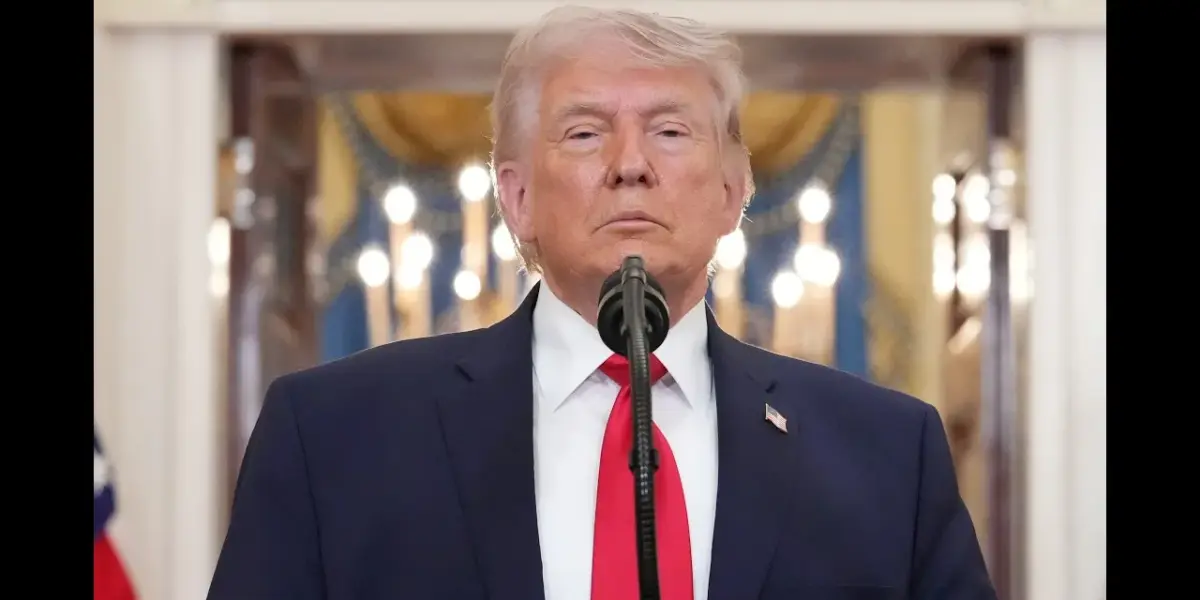
Trump’s Iran Strategy: Bold Action or Risky Gamble?
The recent military actions and subsequent ceasefire announcement concerning Iran have sparked intense debate. While some hail President Trump’s approach as a decisive victory, others express caution, questioning the long-term impact and the true nature of the changes within Iran.
Assessing the Military Achievement
Following a press briefing from Secretary of War Pete Hegseth and General Dan Kaine, the assessment of the military operation was overwhelmingly positive. It was described as a “magnificent military achievement” that inflicted significant damage on Iran. However, a key point of discussion was the timing of such pronouncements. Many felt it was premature to declare total victory, suggesting that the real test would be what happens next and whether a lasting ceasefire truly takes hold.
“It’s almost hard to find words to get across just how successful it’s been, how much damage it’s caused to Iran,” one expert noted, while also adding, “one was left with the the feeling that it um would be good if they maybe had the press briefing two weeks from now.”
The Question of Regime Change
A central unanswered question revolves around whether the Iranian regime itself has fundamentally changed. President Trump has stated that the initial regime has been “decimated,” with many leaders removed. However, the expert perspective suggests a more nuanced view. Until an enemy is “unquestionably defeated so that he cannot operate,” declaring victory might be premature. The possibility remains that the regime could regroup and continue its actions, even after absorbing significant punishment.
The concern is that the Iranian regime might adopt a strategy of endurance. They could claim to have survived a severe blow from the U.S. military and declare their continued existence as a form of victory. This highlights the critical need to monitor the situation closely in the coming days and weeks to understand the true extent of the regime’s weakened state.
Readiness for Continued Action
U.S. forces are reportedly ready to resume operations if called upon. Notably, key infrastructure like electricity, transportation, water, and energy export facilities were not targeted. These remain available for destruction, offering a significant option if the decision is made to restart military action. However, prolonging the conflict or a ceasefire can make it psychologically and politically harder to resume hostilities.
If Iran exploits any delays or ambiguities, it could improve their position. This underscores the delicate balance in managing ceasefires and the potential for renewed conflict.
Public Opinion and Troop Support
The expert emphasized the importance of public opinion and the morale of U.S. troops. Gratitude and respect for their efforts make a significant difference. The recognition from leaders like Secretary Hegseth and the President is crucial for service members and their families. The sentiment was that the accomplishments were “unbelievable” and something all Americans should take pride in.
However, a stark contrast was drawn with a segment of the political class and the public that seemed to favor American failure in Iran. This attitude, where anything that helps President Trump is seen as bad and anything that hurts him is good, was described as worse than during the Vietnam era. The expert found this desire for America to lose “unforgivable,” especially when considering the nature of the Iranian regime, which has been accused of severe human rights abuses.
Media Coverage and Information Flow
The press briefings have aimed to take stock of gains and losses, but the reporting has sometimes been described as “odd” and not always aligned with known facts. The information flow about the operation was restricted, with the Pentagon doing a good job of revealing necessary details without overwhelming minute-by-minute accounts. In the current media environment, reporters often seemed to have little more information than the general public could find online.
Preventing a Nuclear Iran
A key objective stated by Secretary Hegseth is ensuring Iran never obtains a nuclear weapon. This requires excellent intelligence and the immediate willingness to destroy any efforts to reconstitute their nuclear program. The expert expressed skepticism, drawing parallels with North Korea, where intentions were known but action was not taken.
The concern is that Iran’s pursuit of nuclear weapons is an ongoing objective. The question remains whether the U.S. has the long-term patience and commitment to prevent this. Furthermore, the uncertainty of future administrations, which might not share the same resolve, adds another layer of complexity.
Post-Ceasefire Strikes and Diplomatic Moves
Following the ceasefire, Iran has reportedly engaged in some strikes, which the expert expected. These actions are seen as a way for Iran to assert itself after being significantly weakened. However, continued strikes would signal a different, more problematic situation.
President Trump’s posts on social media indicated discussions about tariff and sanction relief with Iran following a “productive regime change.” While an ideal outcome, the expert cautioned against declaring too much victory too soon. Given Iran’s history of duplicity over 47 years, the idea of the same regime suddenly cooperating fully is met with skepticism. However, the expert also stated that President Trump deserves full support, as he is the first president to take significant action against Iran, potentially preventing them from obtaining nuclear weapons.
Tariff Strategy and China’s Role
The announcement of a 50% tariff on goods from any country supplying military weapons to Iran targets nations like China. The expert believes China will actively try to help Iran rearm, even discreetly. It is seen as being in Beijing’s interest to keep the U.S. entangled in the Middle East. European nations are also mentioned as potentially engaging in business with Iran, but China is seen as the primary focus of this tariff announcement.
China’s Influence and Global Energy Routes
China’s strategy often involves playing both sides. They benefit from Iran as a proxy, which allows them to exert influence in the Middle East and divert U.S. attention from Asia. Economically, China could also benefit from renewed oil flow from Iran. However, the expert noted that Gulf Arab states, which control significant energy resources, are increasingly wary of China and prefer an alliance with the U.S. This sentiment among key energy producers works against China’s interests in global oil supplies.
Why This Matters
The ongoing situation with Iran is critical for global security and stability. President Trump’s assertive stance marks a departure from previous administrations, which were perceived as hesitant to take direct action. The success or failure of this strategy has significant implications for the proliferation of nuclear weapons, regional stability in the Middle East, and the broader geopolitical balance of power, particularly concerning China’s growing influence.
Implications, Trends, and Future Outlook
The future hinges on whether the perceived “regime change” in Iran is genuine and lasting. If Iran continues its aggressive posture or pursues nuclear capabilities, the U.S. may need to re-evaluate its strategy. The effectiveness of economic pressure, like tariffs, in deterring other nations from supporting Iran will be a key trend to watch. The long-term U.S. commitment to preventing a nuclear Iran, regardless of presidential administrations, remains a crucial question.
Historical Context
U.S. relations with Iran have been complex and often adversarial since the 1979 revolution. Previous administrations have pursued various diplomatic and economic strategies, but none have resulted in the kind of direct military pressure seen under President Trump. The expert’s comments suggest a historical pattern of Iran absorbing punishment and persisting, making the current situation a critical test of whether a new approach can yield different results.
Source: Trump First President to Do Something About Iran, Deserves Our Support: Expert (YouTube)

Related Articles
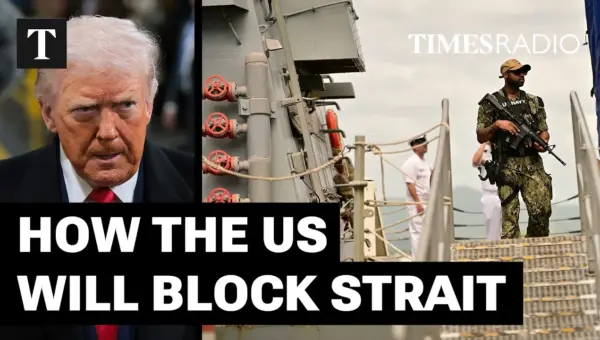
US Blockades Iran Ports, Fueling Oil Price Fears
The US Navy is reportedly moving to blockade Iranian ports, sparking fears of rising global oil prices. While the US aims to stop ships leaving Iran, the action raises concerns about regional stability and potential escalation. Experts warn that this could disrupt oil supplies and lead to further price hikes.
Hungary Ousts Orbán, Shifting EU Power Balance
Hungary has elected Peter Magyar, ousting longtime leader Viktor Orbán. This shift could reshape Hungary's role in the EU, moving away from Orbán's confrontational stance towards greater cooperation. Voters sought change, less corruption, and improved economic prospects.

Trump’s Hormuz Gambit: Iran’s Oil Lifeline Severed
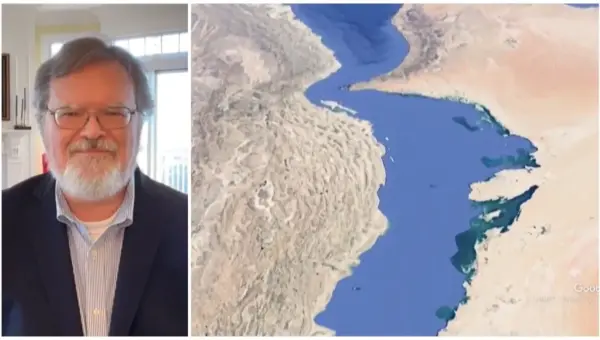
President Trump's announcement of a blockade on the Strait of Hormuz aims to cut off Iran's oil revenue. Analyst Rod Martin views this as a strategic move to neutralize Iran's long-standing threat to global oil markets. The action could lead to lower oil prices globally and significant pressure on the Iranian regime, potentially forcing it to abandon its nuclear ambitions.