Trump’s Iran Strategy: A Risky Gamble on Regime Change
President Trump claims significant regime change in Iran has already occurred, but critics argue this shows a misunderstanding of the nation's complex power structure. His strategy of combining strikes with negotiation and a focus on removing nuclear capabilities raises concerns about potential military escalation.

Trump’s Iran Strategy: A Risky Gamble on Regime Change
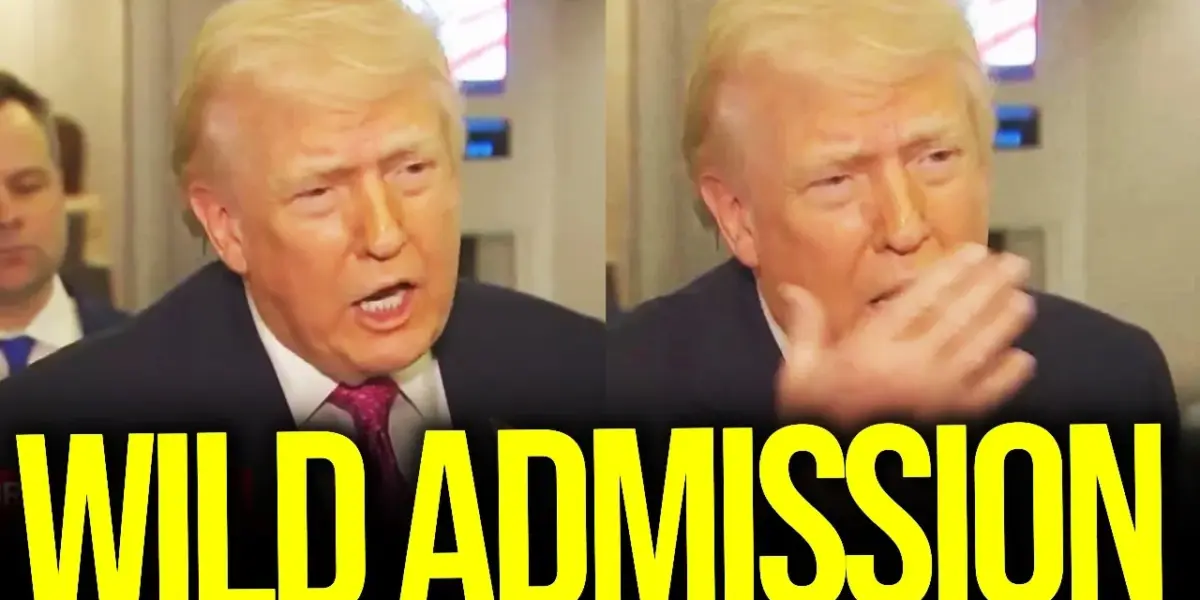
President Donald Trump has been very vocal about his approach to Iran. Recently, he told reporters that he believes he has already achieved significant regime change there. He even suggested that he couldn’t get a better outcome than what he has right now. This statement has raised serious questions about his understanding of how Iran’s government actually works.
Misunderstanding the Target
Trump seems to think Iran is like Venezuela, where removing one leader would cause the whole system to collapse. However, Iran’s government is not built around a single person. It’s deeply controlled by the Iranian Revolutionary Guard Corps, or IRGC. This group is woven into many parts of Iranian society, from education to banking. This means they have a strong grip on the country.
The regime is the IRGC, the Iranian Revolutionary Guard Corps, which is deeply embedded within institutions. They have done heinous things.
Because the IRGC is so spread out, its members have a strong interest in keeping the current system in place. They will fight hard to protect their power. This could mean a much larger military involvement, often called a “boots on the ground” operation, would be needed to achieve true regime change.
A History of Broken Deals and Strikes
During the Obama administration, there was an opportunity for diplomacy with Iran, leading to a deal called the JCPOA. This agreement aimed to prevent Iran from developing nuclear weapons. However, Trump pulled the U.S. out of the deal. Since then, his administration has frequently conducted strikes against Iran.
Trump has bragged about these actions, comparing them to stopping a massive car crash on the highway but only after causing most of the accidents. He recently mentioned stopping 158 ships and Iran’s entire air force, though the transcript notes the air force is quite old. This approach of striking while also claiming to negotiate creates a confusing and dangerous situation.
Confusing Definitions
Trump has stated multiple times recently that he believes regime change has already happened. He described the previous regimes as “decimated” and “destroyed.” He even referred to the current group he’s dealing with as “much more reasonable.” This suggests he believes he’s already won.
However, experts point out that a “regime” is more than just a few leaders. It’s the entire system of government and how it’s run. Meanwhile, Iran’s parliament speaker, who was supposed to be negotiating with the U.S., accused America of secretly planning a ground invasion. He warned that Iran’s forces are ready to fight back and punish U.S. allies.
“The enemy publicly sends messages of negotiation while secretly planning a ground invasion,” said Galib Baf, the parliament speaker in Iran.
The Strait of Hormuz and Nuclear Ambitions
The conversation also touched on Iran’s control of the Strait of Hormuz, a vital shipping route. Trump claimed the U.S. could close it down very quickly. However, the reality is that the strait is already a point of conflict, and the U.S. has not been able to fully reopen it for safe passage. This highlights a disconnect between Trump’s confident statements and the on-the-ground situation.
When asked about Iran’s nuclear program, Trump reiterated his strong stance against Iran obtaining nuclear weapons. He suggested that taking away their enriched uranium is the only way to stop them. This goal, combined with bombing their facilities, could lead to the “boots on the ground” operation he seems to be hinting at. The challenge is that Iran’s nuclear knowledge is widespread, making it hard to eliminate completely.
A Policy of Uncertainty
Trump has also suggested that a deal with Iran could happen soon. Yet, he hasn’t ruled out sending troops without consulting Congress. This creates a policy of uncertainty, where actions can be sudden and unpredictable.
The transcript points out that bragging about taking out old air forces or leaders who are already sick doesn’t represent a real victory. Furthermore, lifting sanctions on countries like Russia and Iran, while they continue to fund terrorism, makes the world a more dangerous place. Trump’s approach to Iran seems to be a high-stakes gamble, relying on aggressive actions and a potentially flawed understanding of the situation.
Why This Matters
The situation with Iran is critical for global security. Trump’s strategy, marked by a mix of threats, negotiations, and military actions, creates instability. His claims of achieved regime change and his apparent misunderstanding of Iran’s complex power structure could lead to unintended consequences. If a full military conflict erupts, it would have devastating effects on the region and the world. The international community watches closely, hoping for de-escalation rather than further conflict.
Implications and Future Outlook
Trump’s approach might be seen as an attempt to project strength, but it risks escalating tensions. The IRGC’s deep entrenchment means that simply removing a few leaders won’t dismantle the regime. This could prolong conflict or lead to more aggressive responses from Iran. The future outlook depends on whether diplomacy can regain ground or if the current path of confrontation continues. A miscalculation could have severe consequences, including a wider regional war and increased global instability.
Source: Trump's BIGGEST SLIP UP YET… then he SURRENDERS! (YouTube)

Related Articles

Iran Conflict Sparks Global Oil Shockwaves
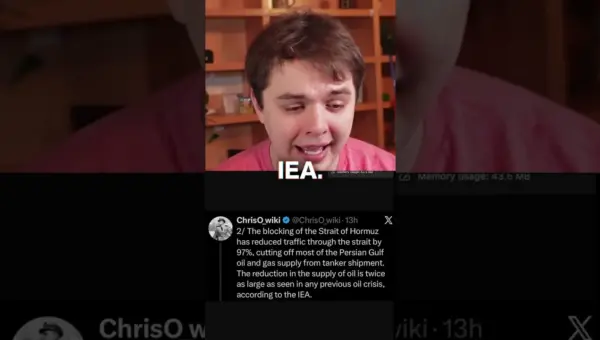
Global oil markets are in turmoil as the conflict in Iran disrupts vital shipping lanes. Countries are implementing emergency measures and energy-saving campaigns due to the severe reduction in oil supply. This crisis highlights the world's dependence on oil and the potential for energy to be used as a geopolitical weapon.
Trump Sees Iran Deal as War’s Root; US Boosts Mideast Troops
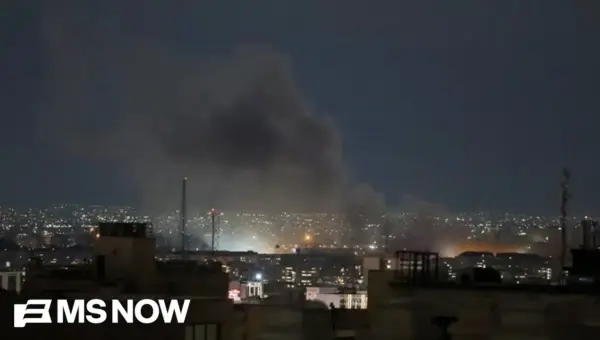
Amid rising tensions, former President Trump suggested Iran seeks a deal while the U.S. has significantly boosted its military presence in the Middle East. Experts believe Iran views the conflict as a long-standing war, with recent events prompting a strategic reassessment by both nations.

Iran Conflict Escalates: US Weighs Ground War, Diplomatic Off-Ramps Narrow
Concerns are mounting over potential U.S. ground operations in Iran, with lawmakers questioning the lack of Congressional approval and the risk of a protracted conflict. Iran claims it can still inflict pain despite strikes, while diplomatic options appear increasingly narrow.