Trump’s Iran Strategy: A Risky Gamble for Peace?
Middle East analyst David Wormser discusses the conditions needed to prevent Iran from developing nuclear weapons. He highlights the importance of dismantling Iran's missile program and addresses the complex role of China and Russia in the ongoing tensions.

Trump’s Iran Strategy: A Risky Gamble for Peace?
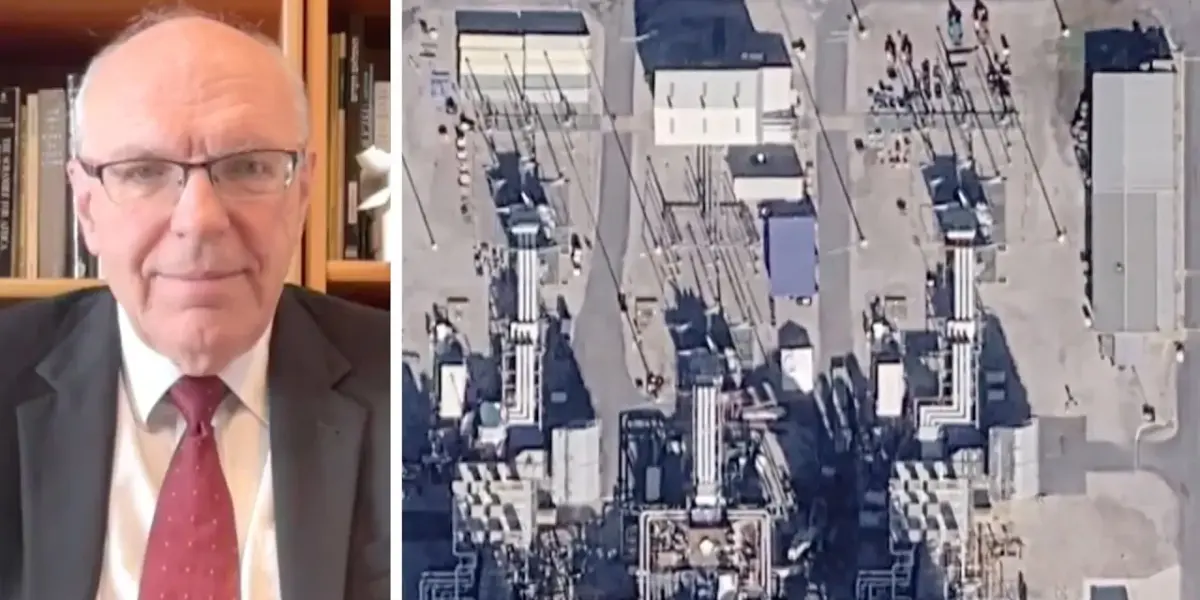
As the world watches and waits for President Trump’s next move regarding Iran, a key question emerges: can diplomacy truly prevent Iran from developing nuclear weapons and advanced missile programs? This question hangs heavy as the president prepares to address the nation on Operation Epic Fury. Middle East analyst David Wormser offered insights into the complex conditions needed for a lasting peace, suggesting that any real solution must tackle Iran’s missile buildup and nuclear infrastructure head-on.
What’s Needed for a Real Deal?
Wormser believes that for any negotiation to succeed, Iran’s ability to build and deploy missiles must be permanently removed. This includes dismantling its missile cities and any remaining nuclear facilities. He points out that while much of Iran’s program is above ground and has been damaged, underground sites still pose a significant threat. The core issue, he explains, is ensuring Iran cannot access nuclear material and completely shutting down its missile program. However, a major hurdle remains: the potential for countries like China and Russia to supply Iran with the parts it can no longer produce itself. This makes a quick or easy resolution unlikely.
“The report found serious problems and suggests new rules that would affect all holders.”
China’s Growing Influence
Adding another layer of complexity are reports about Chinese companies marketing advanced AI technology capable of tracking U.S. operations within Iran. Wormser highlights a 2000 agreement between China and Iran for strategic cooperation, which included intelligence and technology sharing. He expresses concern that this partnership is now bearing fruit, with Chinese equipment and capabilities appearing within Iran’s military and intelligence structures. Some indications even suggest Chinese cyber capabilities might have been used on October 7th. This deepens the concern that China views Iran as a valuable strategic partner and will work to protect that relationship.
Iran’s Network of Proxies
While Iran’s proxy networks have been weakened, they still pose a threat. Wormser explains that these groups, much like Iran’s missiles, serve as a form of deterrence and terror. He notes that Iran’s missiles are not precise enough to hit specific targets but are designed to cause widespread damage, similar to nuclear weapons. Their strikes on cities, he suggests, are more about terror than surgical precision. The structure of these terror networks, however, remains largely intact, with operatives spread across the globe and connections to criminal cartels and other intelligence agencies. Wormser fears Iran will continue to use these assets to project power and sow instability.
Challenging the Regime
President Trump has spoken about achieving “total regime change” and suggested that the current Iranian leaders are more open to negotiation. Wormser interprets this differently. He argues that while the top leadership may have changed due to deaths, the underlying ideology of the regime remains the same. The new leaders are, in his view, second or third-tier officials still committed to the same principles. President Trump’s remarks, Wormser believes, are a challenge, an attempt to see if these new figures will genuinely change their approach. So far, Wormser sees no evidence of this, suggesting that the core issues driving Iran’s actions are unlikely to change soon.
Why This Matters
The situation in Iran is critical because it directly impacts global security and the potential for nuclear proliferation. The interplay between Iran’s nuclear ambitions, its missile program, and the involvement of major powers like China and Russia creates a volatile environment. Understanding the true nature of the Iranian regime and its strategic goals is essential for crafting effective policies. If negotiations are to succeed, they must address the root causes of Iran’s aggressive behavior and ensure verifiable and permanent disarmament. The potential for international alliances, like the one between China and Iran, further complicates efforts to contain Iran’s influence and prevent it from acquiring weapons of mass destruction. The effectiveness of diplomatic pressure, combined with potential military action, remains a delicate balancing act with high stakes for regional and global stability.
Looking Ahead
The path forward is fraught with challenges. A sustainable off-ramp requires Iran to dismantle its nuclear and missile programs completely, a demand that Iran has historically resisted. The influence of external actors like China and Russia could undermine any agreement reached. Furthermore, the internal dynamics of the Iranian regime, its ideology, and its use of proxy groups will continue to shape its foreign policy. Whether diplomatic efforts can overcome these deeply entrenched issues remains uncertain. The current strategy seems to involve applying pressure while signaling a willingness to negotiate, but its success hinges on Iran’s willingness to fundamentally alter its strategic calculus. The coming months will reveal whether this approach can lead to a more stable future or if the region is headed for further escalation.
Source: Trump Challenging Iranian Regime Ahead of Negotiation Deadline: Expert (YouTube)

Related Articles


Medicare Rates Rise 2.48%, Boosting Insurers, Saving Billions
The Trump administration has set the 2027 Medicare payment rate for private plans at 2.48%, an increase expected to add over $13 billion. This move aims to control costs, boost insurer stocks, and promote patient-centered care. The policy emphasizes affordability and long-term program sustainability.


Odesa Hit: Ukraine Vows Tougher Sanctions
Following a deadly overnight strike on Odesa that killed three civilians, President Zelenskyy vowed to increase pressure on Russia. Ukraine is pushing for stronger international sanctions, particularly on Russian oil exports, believing financial losses are key to ending the war. Kyiv is also expanding its global security and diplomatic partnerships.


FBI Agents Fight Back Against Political Purge
Former FBI agents have launched a class-action lawsuit alleging wrongful termination and political retaliation. The suit claims agents were fired for reasons including their involvement in January 6th investigations and perceived political disloyalty, citing public statements by Trump administration officials as key evidence.