Trump’s Iran Strategy: A Return to 19th Century Realpolitik?
Andrew Neil argues that President Trump's foreign policy, particularly regarding Iran, mirrors '19th-century realpolitik.' Neil suggests Trump prioritizes national interests and regime alteration over promoting democracy, a significant shift from previous US foreign policy doctrines. The veteran broadcaster also noted Britain's diminished global influence in these matters.

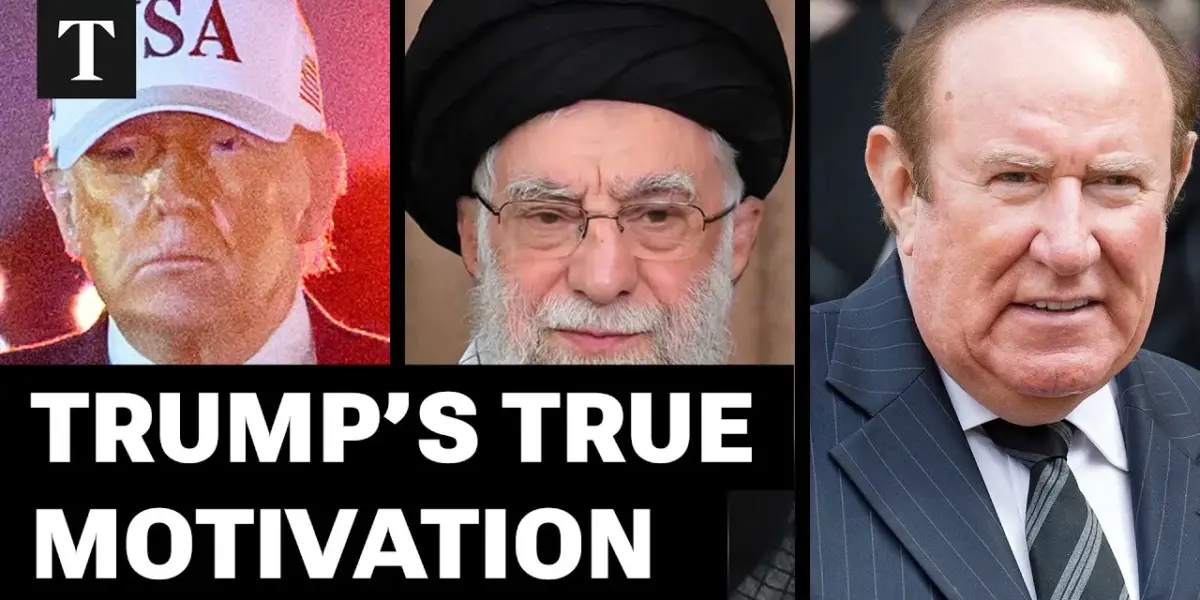
Neil: Trump Shifts US Policy to National Interest Over Democracy
Veteran broadcaster Andrew Neil has characterized President Donald Trump’s approach to foreign policy, particularly concerning Iran, as a stark departure from traditional American ideals, likening it to “19th-century realpolitik.” In an interview, Neil argued that Trump prioritizes national interests above the promotion of democracy, marking a significant shift from the post-Cold War era’s focus on liberal institutions.
Shifting Sands of US Foreign Policy
Neil’s analysis centers on the evolving objectives of US engagement with Iran, suggesting that Trump’s administration has articulated “very wide” war aims. These aims, as described by Neil, include preventing Iran from acquiring nuclear weapons, degrading its missile arsenals, and achieving a form of “regime alteration” rather than outright regime change. This contrasts sharply with previous approaches, such as the Bush administration’s nation-building efforts in Iraq and Afghanistan, which Neil described as “incredibly complicated and in the end failed.”
Donald Trump doesn’t contemplate any of that as we’ve seen in Venezuela. He doesn’t even change the regime. He just adapts, alters the regime to one that is more conducive to America and more to his tastes.
Neil explained that Trump’s strategy, as evidenced in Venezuela, is not about imposing democracy but about reshaping existing regimes to be more favorable to American interests. “He’s not necessarily paving the way for a new democracy in Iran,” Neil stated, “he’s simply paving the way for a regime that is less hostile to America, to Israel.”
The Irrelevance of Britain and the Role of Allies
The interview also touched upon the diminished role of Britain in global geopolitical events. Neil bluntly stated that the “complete irrelevance of Britain in all of this” is a significant observation, suggesting the UK is not a major player in the unfolding situation with Iran.
Furthermore, Neil highlighted the complicating factor of US allies, particularly Gulf states like the UAE. These allies, he posited, will exert pressure on Trump to pursue more extensive regime change in Iran. For these nations, restoring confidence in their economies and investments hinges on the removal of the current Iranian leadership. This pressure, Neil believes, could push Trump to adopt a more interventionist stance than he might initially intend.
Realpolitik vs. Idealism: A Moral Question
The discussion delved into the moral implications of Trump’s approach compared to a more idealistic pursuit of democracy. Neil questioned the moral defensibility of a strategy that relies on military strikes with uncertain outcomes versus the more complex, albeit often failing, ideal of nation-state building and promoting democracy.
Neil drew a clear distinction between the foreign policy of the past and Trump’s current stance. “The aim of the 20th century was to try and change governments and spread democracy,” he recalled. “That is not the world we’re in now. This is a world of national interests.” He elaborated that under Trump, the primary consideration is whether a regime serves American interests, regardless of its democratic credentials.
It is is this regime in America’s interests? And even if it’s a dictatorship, is it in America’s interest? If it is, I’m happy with that. He says, you know, democracy, they can have that another day.
This perspective, Neil argued, represents a return to a “19th-century realpolitik,” where national interest is the sole motivating force, devoid of any moral imperative to spread liberal values or free institutions.
The Future of US-Iran Relations
Looking ahead, Neil expressed skepticism about the long-term viability of Trump’s strategy if it extends beyond immediate military objectives. He suggested that a “day 100” scenario would indicate a potential miscalculation. The core of Trump’s approach appears to be a pragmatic adaptation of existing regimes to align with US interests, rather than a grand design for democratic transformation. The pressure from regional allies, however, could significantly influence the ultimate trajectory of US policy, potentially leading to a more profound intervention than initially envisioned.
Source: Andrew Neil: Trump’s Iran Strikes are like ‘19th Century Realpolitik’ (YouTube)

Related Articles

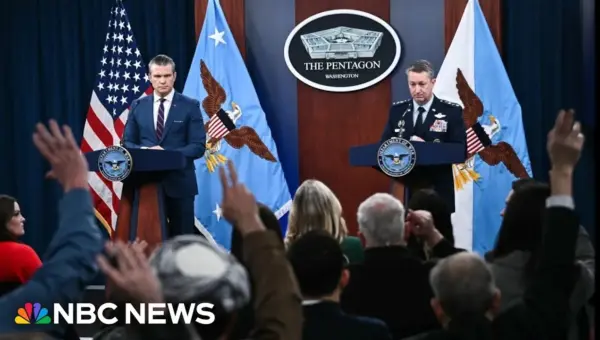
US Military Strikes Iran to Curb Missile, Nuclear Threats
The U.S. military has launched strikes targeting Iran's missile production, naval power, and nuclear program, aiming to prevent regional aggression. While military objectives are clear, the administration navigates a delicate political path, avoiding explicit regime change goals but creating conditions for internal shifts.
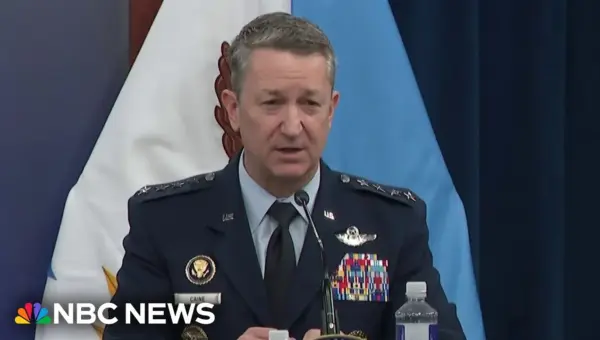
US Launches ‘Operation Epic Fury’ Against Iran
President Trump authorized "Operation Epic Fury" on February 27th, initiating a massive, synchronized daylight strike against Iran on March 1st. The operation involved over 100 aircraft, naval missile strikes, and cyber warfare, aiming for speed, surprise, and overwhelming force.
US Won’t Rule Out Ground Troops in Iran, Cites Strategic Ambiguity
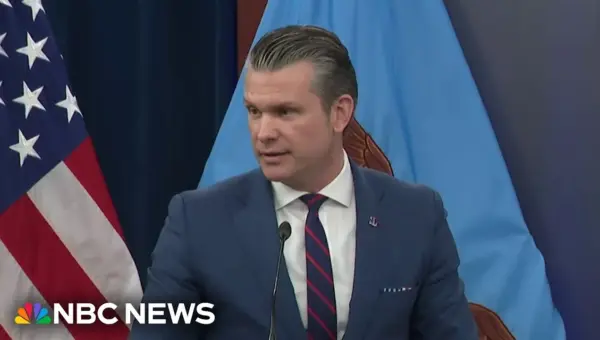
Secretary Hegseth stated the U.S. currently has no troops in Iran but refused to rule out future ground deployments, citing strategic ambiguity. He emphasized that revealing military plans to adversaries is "foolishness" and that the U.S. will "go as far as we need to go" to advance its interests.