Trump’s Iran Standoff Sparks Global Oil Crisis
The closure of the Strait of Hormuz due to escalating conflict has triggered a global oil price surge and market frenzy. Analysis suggests this crisis, marked by policy contradictions and significant human cost, is a self-inflicted wound with profound implications for global stability and domestic politics.


Trump’s Iran Standoff Sparks Global Oil Crisis
The geopolitical landscape, already fraught with tension, has been dramatically reshaped by recent events involving the United States and Iran. What began as a localized conflict has rapidly escalated, triggering a global economic shockwave, particularly in the energy markets. The Strait of Hormuz, a critical chokepoint for global oil transport, has been effectively closed, leading to soaring oil prices and widespread market instability. This crisis, according to the analysis, is a direct consequence of decisions made by the Trump administration, creating what is described as a global mess and a moment of profound humiliation for the United States on the world stage.
The Strait of Hormuz: A Global Artery Under Threat
The Strait of Hormuz, a narrow maritime passage between Iran, the United Arab Emirates, and Oman, is responsible for the transit of an estimated 20 to 30% of the world’s oil supply. Its strategic importance cannot be overstated. The recent conflict has led to a de facto shutdown of this vital artery, with reports indicating a dramatic reduction in ship traffic, including oil tankers and LPG carriers, leaving the Persian Gulf. This blockage has sent oil prices surging, with experts warning of further increases, potentially reaching $150 a barrel. The Financial Times reports that Qatar’s energy minister anticipates Gulf energy producers will soon be forced to shut down exports, a move that could have devastating consequences for global economic growth, push up energy bills, and lead to widespread product shortages.
A Cascade of Policy Contradictions
The administration’s response to the escalating oil prices has been marked by a series of seemingly contradictory policies. In an apparent attempt to mitigate the domestic impact of surging oil costs, the United States has temporarily eased sanctions on Russia’s ability to sell oil to India. This move, however, has drawn sharp criticism. By allowing India to purchase Russian oil, the U.S. is effectively providing Russia with increased revenue, which can then be used to fund its ongoing military activities, including the war in Ukraine. This policy shift is seen as directly enabling Russia’s war machine and enriching its oligarchs.
Adding another layer of complexity and concern, reports emerged shortly after the easing of sanctions that Russia is now providing intelligence to Iran, specifically to help target U.S. forces. This creates a deeply troubling scenario where U.S. policy, aimed at stabilizing energy markets, inadvertently strengthens an adversary (Russia) that is then cooperating with another adversary (Iran) to undermine U.S. interests. The analysis posits that this is a direct result of the Trump administration’s perceived weakness and antagonism towards allies, coupled with a soft approach to adversaries like Russia.
The Human Cost of Geopolitical Missteps
Beyond the economic ramifications, the conflict has resulted in a tragic loss of human life. The transcript highlights the deaths of school children, including schoolgirls, in the initial strikes, and the passing of six U.S. service members, including a young 20-year-old named Declan Cody. Over a thousand Iranians have also reportedly died. While the desire to see the Iranian regime dismantled and the Iranian people liberated is acknowledged, the analysis argues that the United States cannot escape responsibility for the ensuing death and destruction. This is framed as an “unforced error,” where the U.S. was “roped into” a conflict by allies and subsequently exacerbated the situation through its own actions.
Historical Context and Weakness on the Global Stage
The current situation is contrasted with the Trump administration’s stated goal of restoring America’s standing on the global stage, which the former president argued had been diminished. However, the analysis contends that under his leadership, there has been a consistent pattern of weakness combined with antagonism. This is characterized by a deferential attitude towards figures like Vladimir Putin, juxtaposed with harsh treatment of allies and leaders like Volodymyr Zelenskyy. This approach, the argument goes, has emboldened adversaries and undermined international alliances, contributing to the current global instability.
The narrative draws a parallel to the global inflation and shipping disruptions experienced during the COVID-19 pandemic. While those events were largely attributed to external factors and global efforts to manage them, the current crisis is framed as self-inflicted. The decision to engage in actions that led to the closure of the Strait of Hormuz and the subsequent economic fallout is seen as a direct consequence of policy choices, not unavoidable circumstances.
Implications for Domestic Politics and Future Outlook
The economic fallout from the escalating oil prices is predicted to have significant consequences for domestic politics, potentially impacting upcoming elections. The rising cost of gasoline, a highly visible daily concern for most citizens, is seen as a more potent electoral indicator than more abstract issues. The analysis suggests that the surge in gas prices, coupled with the lingering effects of tariffs and other economic policies, will place considerable strain on American households.
The broader global order is described as rapidly unraveling, with the events in the Middle East accelerating this process. The interplay between the conflict, the energy crisis, and the shifting alliances (such as Russia’s intelligence sharing with Iran) paints a picture of a world grappling with increased instability and unpredictable geopolitical dynamics. The future outlook suggests a period of continued economic uncertainty and heightened international tension, with the actions of the U.S. administration under scrutiny for their role in exacerbating these global challenges.
Why This Matters
The current crisis underscores the profound interconnectedness of global energy markets and international security. The actions of one nation, particularly a major global power, can have far-reaching and devastating consequences for economies and populations worldwide. The events highlight the delicate balance required in foreign policy, where aggressive stances, perceived weakness, and policy inconsistencies can create a volatile environment. The human cost of geopolitical conflict, often overshadowed by economic and political analyses, is a stark reminder of the real-world impact of international decisions. Furthermore, the situation raises critical questions about leadership, strategic decision-making, and the long-term implications of foreign policy choices on both domestic stability and America’s standing in the world.
Source: BREAKING: Trump Causes Global BACKFIRE (YouTube)

Related Articles
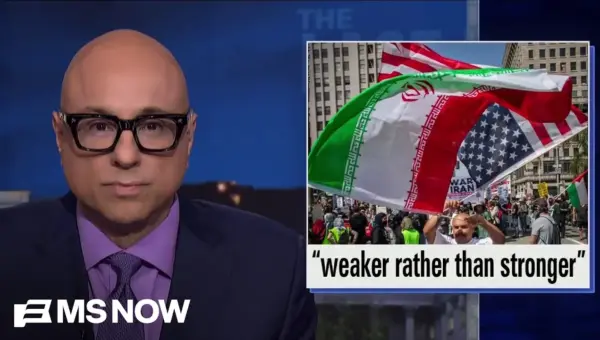
Trump’s War Sparks Public Outrage, Questions Nation’s Strength
President Trump's initiation of a war with Iran, lacking public support, has sparked widespread concern and damaged national morale. Critics argue the conflict is weakening the U.S. and is driven by a performative display of strength rather than strategic necessity.

Iran War: Regime Change, Not Nukes, Fuels US Conflict
The stated reason for the U.S. war with Iran centers on nuclear threats, but a deeper analysis of recent history and strategic shifts suggests regime change is the primary, unstated objective. This distinction has profound implications for the conflict's duration and global impact.


US Considers Ground Troops as Iran Conflict Escalates
President Trump is reportedly considering sending U.S. ground troops into Iran as the conflict escalates with widespread strikes and soaring oil prices. Meanwhile, deadly tornadoes ravage parts of the U.S., and new questions arise about potential Russian involvement and a U.S. strike on an Iranian school.