Trump’s Iran Standoff: Allies Refuse U.S. Access
Several European allies have denied the U.S. access to their facilities and airspace amid rising tensions with Iran over the Strait of Hormuz. This refusal complicates President Trump's strategy and highlights a divergence in foreign policy. The situation raises questions about the effectiveness of the current U.S. approach and its impact on international relations.


Allies Reject U.S. Requests Amid Iran Tensions
In a significant diplomatic setback for President Donald Trump, several key European allies are refusing to grant the United States access to their military facilities and airspace. This refusal comes as tensions escalate with Iran over the Strait of Hormuz, a vital waterway for global oil transport. The U.S. had reportedly sought the use of these facilities and passage through airspace in connection with its strategy concerning Iran. However, these requests have been denied, signaling a growing distance between the U.S. and its traditional partners on this critical foreign policy issue.
Strait of Hormuz: A Global Chokepoint
The Strait of Hormuz, located between the Persian Gulf and the Gulf of Oman, is a narrow passage through which about one-fifth of the world’s oil supply passes. Any disruption to shipping in this region can have immediate and severe consequences for global energy markets and the world economy. The Trump administration has been engaged in a high-stakes confrontation with Iran, including military posturing and sanctions. This standoff has placed allies in a difficult position, forcing them to weigh their relationships with the U.S. against their own national interests and regional stability.
European Allies Draw a Line
Sources indicate that several European nations, while generally allied with the United States, have explicitly stated they will not permit U.S. military actions or support related to Iran to be launched from their territory or through their skies. This united front among allies is a clear message to Washington that they do not endorse the current approach to the Iran crisis. The decision highlights a divergence in foreign policy priorities and a reluctance to be drawn into a potential conflict that could destabilize an already volatile region. The lack of support from these allies complicates the U.S. strategy and potentially weakens its diplomatic leverage.
Trump’s Strategy Questioned
The transcript suggests that President Trump may be struggling to manage the fallout from his administration’s actions regarding Iran. The refusal of allied support raises questions about the viability and effectiveness of his current strategy. It appears that the challenge of re-opening or securing the Strait of Hormuz, should it become necessary, may fall more heavily on the U.S. itself, without the logistical backing of its partners. This situation underscores the complex dynamics of international relations, where even close allies may disagree on approaches to critical security issues.
Broader Implications for U.S. Foreign Policy
The rebuff from European allies has significant implications for the broader scope of U.S. foreign policy. It suggests that the Trump administration’s ‘America First’ approach may be alienating traditional partners, leading to a less cohesive international front on key global challenges. The inability to secure cooperation from allies on issues like Iran could embolden adversaries and undermine U.S. influence on the world stage. This development could signal a shift in global alliances, where nations increasingly prioritize their own interests and seek independent solutions to regional security concerns, even if it means diverging from U.S. policy.
What to Watch Next
Moving forward, attention will be focused on how the Trump administration responds to this diplomatic snub. The administration’s next steps in managing the Iran situation, particularly concerning the Strait of Hormuz, will be crucial. Observers will also be watching to see if this trend of allied divergence continues on other foreign policy fronts. The ability of the U.S. to garner international support for its initiatives will likely depend on its willingness to engage in multilateral diplomacy and address the concerns of its partners. The coming weeks may reveal whether this is a temporary disagreement or a more lasting realignment of international cooperation.
Source: U.S. allies turn their backs on Trump (YouTube)

Related Articles
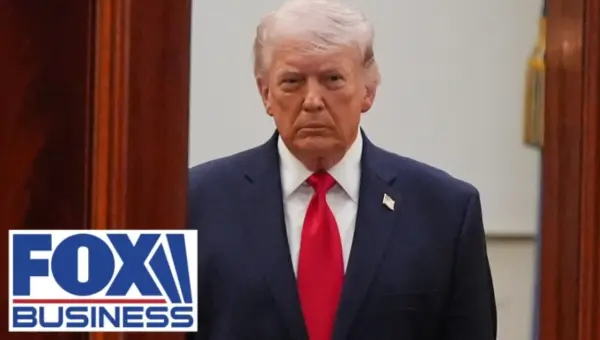
US Strikes Dismantle Iran’s Military; Allies Rally Support
The U.S. has launched over 12,000 precision strikes against Iran, dismantling its military infrastructure. While Iran bets on U.S. wavering, regional allies are rallying. These actions aim to re-establish American credibility and deter future adversaries.
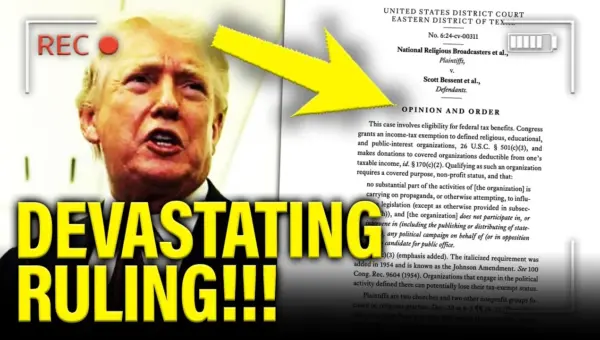
Judges Block Trump’s Orders, Undermining His Authority
Federal judges have blocked several key Trump administration initiatives, including efforts to defund public media and end birthright citizenship. These rulings, some from Trump appointees, highlight the judiciary's role as a check on executive power and question the administration's legal strategies.

Iran Strikes Israel: Did US Jet Evade Missile Attack?
Iran launched significant ballistic missile attacks on Israel, bypassing air defenses. Meanwhile, claims of Iran downing a US fighter jet appear to be propaganda, with evidence suggesting the jet evaded attack. US bombing operations continue, and threats of a ground invasion raise concerns about further escalation.