Trump’s Iran Standoff: A Risky Strategy Pays Off?
President Trump announced a halt to planned military action against Iran following threats of "civilizational" destruction. The decision, influenced by Pakistan's leaders, hinges on Iran opening the Strait of Hormuz and agreeing to a ceasefire for two weeks of negotiations. Critics argue this tactic is reckless and costly, diverting funds from domestic needs.

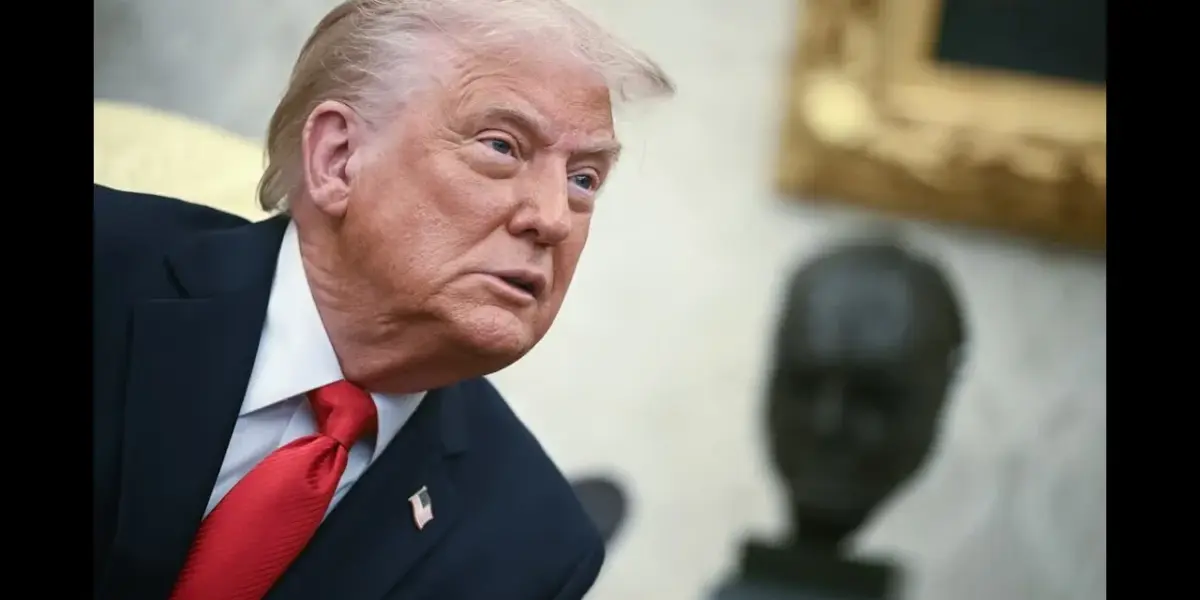
Trump Pulls Back from Iran Conflict After Threats
In a stunning turn of events, President Donald Trump announced a halt to planned military action against Iran. This decision came after earlier threats from Trump, who had warned that “the whole civilization will die tonight in Iran.” The president stated his decision was based on requests from Pakistan’s Prime Minister Shabbaz Sharif and Field Marshall Aimir. They asked him to hold off on “destructive force” against Iran.
A Fragile Ceasefire and a Deal
Trump agreed to suspend the bombing and attack for two weeks. This suspension is tied to Iran agreeing to “the complete, immediate, and safe opening of the Strait of Hormuz.” He claimed that military objectives had been met and that a peace agreement with Iran and the Middle East was close. Trump mentioned a 10-point proposal from Iran that he believes is a workable basis for negotiation. He suggested most past disagreements between the US and Iran had been resolved. The two-week period, he explained, would allow the agreement to be finalized.
“On behalf of the United States of America as president and also representing the countries of the Middle East, it is an honor to have this long-term problem closed to resolution.”
– President Donald J. Trump
Iran’s Response and Conditions
Iran also released a statement. They expressed gratitude to Pakistan’s leaders for their efforts to end the conflict. Iran stated that in response to requests and the US desire for negotiations, they would halt their “defensive operations for a period of two weeks.” This halt is conditional on attacks against Iran stopping. Iran also stated that safe passage through the Strait of Hormuz would be possible through coordination with their armed forces, considering technical limits.
Criticism of Trump’s Tactics
The video’s narrator offered a critical view of Trump’s actions. They suggested that Trump often makes threats but then backs down, calling it a lack of a coherent strategy. The narrator pointed out Trump’s shifting statements, from claiming victory to demanding European intervention, and then threatening nuclear war. This approach was labeled a “madman strategy.” The narrator argued that even with this temporary reopening of the Strait of Hormuz, the situation is not better than before the conflict began.
The narrator stressed the danger of Trump’s threats, calling them “insane” and “off the rails.” They highlighted the threat of nuclear war and genocide against Iran’s population of 93 million people. The narrator urged listeners not to become numb to the recklessness of the political climate.
Calls for Intervention
Even some of Trump’s allies expressed concern. The video cited figures like Marjorie Taylor Greene and Candace Owens, who called for the 25th Amendment to be invoked. They described Trump as a “genocidal lunatic” and urged Congress and the military to intervene. Joe Kent, former director of the National Counterterrorism Center, also voiced worries. He suggested that threatening Iran’s civilization would make the US an “agent of chaos.” This, he argued, would end America’s status as a superpower and harm the global order.
“Trump believes he is threatening Iran with destruction, but it is America that now stands in danger if he attempts to eradicate Iranian civilization.”
– Joe Kent, former Director of National Counterterrorism Center
The Cost of Conflict
The narrator questioned whether the potential for nuclear war was worth the outcome. They argued that plunging the world into such danger to reopen a strait that was already open did not make anyone safer or more prosperous. Billions of dollars were spent on this effort, funds that could have been used for domestic needs like healthcare, food assistance, infrastructure, and education.
The video contrasted Trump’s past campaign promises about the cost of groceries and helping Americans with current realities. It pointed to rising costs and cuts to programs like Medicaid, ACA subsidies, and food assistance. Republicans were blamed for enabling a trade war and approving a war that increased oil prices. The potential for another $200 billion for war and a $1.5 trillion defense budget was also highlighted.
Broken Promises
The narrator recalled Trump’s promises to stop wars and bring peace and prosperity. They stated that Trump had broken these promises. The idea of an “America First” policy was contrasted with rising costs for Americans and cuts to essential programs. The video concluded by questioning the value of Trump’s actions, suggesting a blank check was being written for conflicts so he could play “warmonger.”
Why This Matters
A High-Stakes Negotiation Tactic
The events described highlight a dangerous and unpredictable approach to foreign policy. President Trump’s strategy of making extreme threats, seemingly in order to negotiate from a position of perceived strength, carries immense risks. While this instance resulted in a temporary de-escalation and a potential path toward negotiation, it brought the world perilously close to a major conflict. The immediate aftermath saw the reopening of a critical shipping lane, but at the cost of heightened global tension and the potential for catastrophic war.
Domestic Priorities vs. Foreign Conflicts
The analysis raises important questions about resource allocation. Billions of dollars were potentially spent or committed to military actions and readiness related to the Iran standoff. The narrator argues these funds could have addressed pressing domestic needs, such as healthcare, food security, and infrastructure. This highlights a recurring debate in US policy: the balance between international engagement and investment in the well-being of its own citizens.
The Role of Allies and International Diplomacy
The intervention of Pakistan’s leaders underscores the importance of diplomacy and the role of third-party mediators. Their requests appear to have played a crucial part in preventing immediate military action. This suggests that even in highly charged situations, communication and collaboration with international partners can be vital in de-escalating tensions and finding peaceful resolutions.
Implications and Future Outlook
This incident serves as a stark reminder of the volatility in international relations. President Trump’s “madman strategy,” as described, relies on unpredictability. While it may yield short-term concessions, it creates long-term instability and erodes trust. The reliance on such tactics could make future negotiations more difficult and increase the likelihood of miscalculation. The world watches to see if this two-week period will lead to lasting peace or merely a pause before further escalation. The outcome will significantly shape future US foreign policy and its standing on the global stage.
Historical Context
The Strait of Hormuz has long been a critical chokepoint for global oil supplies. Tensions between the US and Iran have simmered for decades, particularly since the 1979 Iranian Revolution. The threat of conflict in this region is not new, but President Trump’s direct threats of “civilizational” destruction represent a significant escalation in rhetoric. Previous US administrations have also faced complex challenges in managing relations with Iran, often involving sanctions, diplomatic standoffs, and military posturing.
Source: BREAKING: Trump drops ANNOUNCEMENT the world has WAITED FOR on Iran (YouTube)

Related Articles

Trump’s Iran Deal: Bold Tactics Yield Fragile Peace
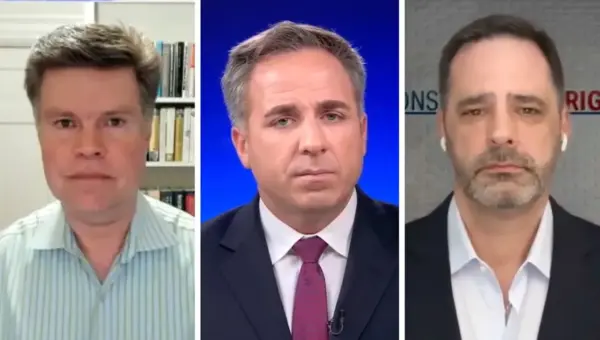
A panel discusses President Trump's Iran ceasefire deal, a special election in Georgia, the DOJ's renewed fight against fraud, and Trump's relationship with Hungarian Prime Minister Viktor Orbán. Analysts debate Trump's negotiation tactics, the implications of the Georgia race, and the U.S.'s foreign policy stance.
Trump Halts Iran Attacks, Seeks Peace Deal
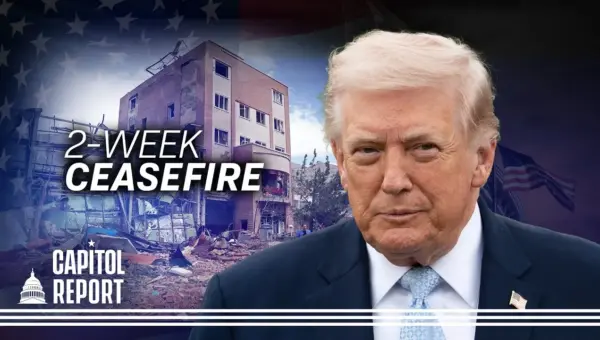
President Trump has agreed to a two-week suspension of attacks on Iran, contingent on Iran reopening the Strait of Hormuz. This move comes as the U.S. reports progress on a peace proposal and highlights the Iranian people's desire for freedom.


Trump’s MAGA Allies Now See His Failings
As Donald Trump faces growing criticism, even his former MAGA allies are starting to voice regret. Confusing messages on foreign policy and the handling of sensitive issues like the Epstein files are causing voters to question his leadership. This shift could significantly impact future elections.