Trump’s Iran Standoff: A Legacy Built on Risky Gambles
Former President Trump announced a temporary halt to attacks on Iran, a move that sparked both relief and confusion due to his inconsistent rhetoric. Analysts suggest this pattern reflects a broader strategy of legacy building, where personal ambition may outweigh national consequences. Concerns about accountability and the potential for dangerous gambles remain.

Trump’s Iran Standoff: A Legacy Built on Risky Gambles
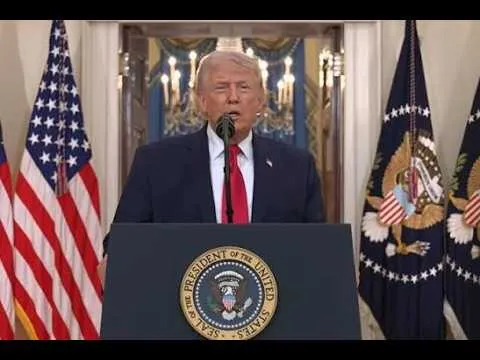
In a move that captured global attention, former President Donald Trump announced a temporary halt to bombing and attacks on Iran. He described this pause as a “double-sided ceasefire,” lasting for two weeks. This decision came after conversations where Pakistan acted as an intermediary. Trump stated that he had already met military objectives and received a proposal from Iran, which he believes can serve as a basis for negotiation.
This temporary de-escalation offers a moment of relief from the constant threat of global conflict. However, the announcement was followed by a series of statements that raised concerns about consistency and tone. Trump spoke of building new wall sections and hinted at future decisions regarding the war in Ukraine, promising updates in about two weeks. This pattern of delayed announcements and uncertain timelines has become a hallmark of his communication style.
A Shift in Tone and Rhetoric
The discourse surrounding Trump’s statements revealed a stark contrast in tone. One statement spoke of a potential “civilization [dying] tonight, never to be brought back again,” a phrase that sounded more like casual pre-game talk than presidential rhetoric. This jarring shift from dire warnings to optimistic pronouncements about “smarter, less radicalized minds” prevailing created confusion. It suggested a focus on dramatic pronouncements, much like a television show, aimed at capturing attention rather than conveying serious policy.
Trump’s approach to international relations has been likened to a businessman making deals. The comparison is drawn to his past real estate ventures, where financial risks were often shifted to contractors. For example, a contractor involved in the Taj Mahal construction claimed Trump owed him over a million dollars and didn’t honor contracts with many others. This history suggests a pattern of leveraging others’ resources and then avoiding personal financial responsibility.
Conflicting Narratives on Iran
Adding to the confusion, Trump’s administration has previously described Iran as militarily and economically “decimated,” with the war already “won.” If Iran was already defeated, the need for further threats or a two-week ceasefire becomes unclear. This creates a disconnect between the narrative of total victory and the ongoing, high-stakes negotiations and threats.
The rhetoric employed by Trump has drawn criticism from various corners. Some have compared his statements to boxer Mike Tyson’s past trash talk, suggesting that aggressive language should not always be taken literally. However, critics argue that such a view is dangerous when applied to a leader with the authority to launch nuclear strikes. This dual interpretation—treating aggressive threats as either serious policy or mere bluster—raises concerns about accountability.
Calls for Intervention and Concern
The gravity of Trump’s threats has prompted strong reactions. Even some of his political allies have voiced deep concern. Figures like Candace Owens and Marjorie Taylor Greene have called for invoking the 25th Amendment, labeling the president a “genocidal lunatic” and describing his threats as “evil and madness.” This broad opposition highlights widespread alarm over potential military actions and their ethical implications.
International figures have also weighed in, emphasizing the importance of peace. The Pope, for instance, has urged citizens to contact their elected officials to advocate for peace and reject war. The sentiment is that even without direct access to the president, citizens can influence policy through their representatives.
Why This Matters
Donald Trump’s approach to foreign policy and conflict appears to be driven by a desire to solidify his legacy. The analysis suggests he aims to be remembered as the leader who toppled regimes, regardless of the human or financial cost. This perspective implies that personal legacy building takes precedence over the sacrifices of the American people, the suffering of other nations, or the potential damage to America’s global standing.
The core of the issue lies in Trump’s perceived detachment from the consequences of his actions. His business background, where he could allegedly avoid paying contractors, is seen as a parallel to his presidential actions. He can initiate wars or make dangerous threats without facing personal financial or direct physical repercussions. The costs are borne by taxpayers, soldiers, and populations in affected countries.
Legacy Building vs. Public Service
Trump views his efforts, whether through renaming buildings or proposing grand architectural projects, as ways to ensure remembrance. However, the argument is made that these efforts are also intended to overshadow past negative actions. His career, from Trump University to his branding efforts, is seen as a continuous marketing campaign. Now, it is suggested, he is using public funds and national resources to promote a legacy that critics argue is built on harmful actions.
The temporary halt to military action in Iran offers a moment of respite. Yet, the underlying threat remains as long as Trump is in a position of power. The potential for disastrous outcomes for the nation and the world continues to loom, echoing his own words about not wanting something to happen, but acknowledging it probably will.
Future Outlook
The situation underscores a broader debate about how power is wielded. The analysis points to a recurring theme of Republicans abusing power and Democrats often failing to use it effectively. Trump’s actions, particularly his willingness to gamble with international stability, highlight the immense responsibility that comes with presidential authority. His focus on personal legacy, rather than the well-being of the nation or global peace, presents a significant challenge for the future.
The events surrounding the Iran standoff and the reactions it provoked serve as a stark reminder of the volatile nature of current geopolitics. The future outlook depends heavily on continued vigilance from citizens, international bodies, and those within government who are tasked with upholding peace and ethical conduct, even when faced with aggressive rhetoric and questionable decision-making.
Source: Trump STUNS THE GLOBE with new announcement | Another Day (YouTube)

Related Articles
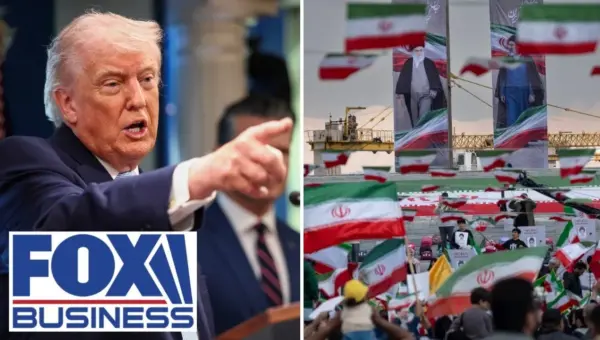
Trump Halts Iran Bombing, Declares ‘Big Day for World Peace’
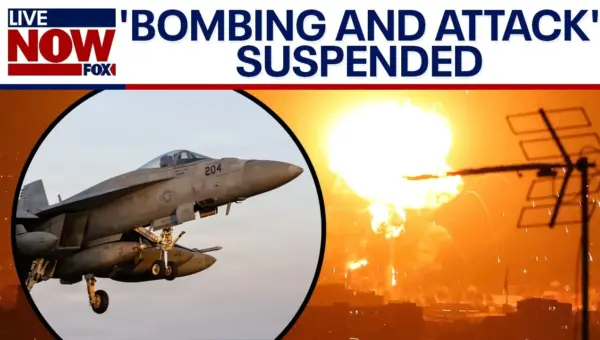
President Trump announced a surprising two-week ceasefire agreement with Iran, halting threatened military strikes and calling it a "big day for World Peace." However, details remain murky, with conflicting statements from Iran and Israel creating confusion about the terms and scope of the deal.
US Strikes Iran’s Kharg Island, Military Action Accelerates
The U.S. military has intensified its campaign against Iran with strikes on key targets like Kharg Island, signaling a strategy of "coercive diplomacy." Experts believe this military action, coupled with diplomatic efforts, aims to prevent Iran from acquiring nuclear weapons. The situation highlights a long-standing national security challenge with potential implications for global energy markets.

Trump’s Iran Deal: Bold Tactics Yield Fragile Peace
A panel discusses President Trump's Iran ceasefire deal, a special election in Georgia, the DOJ's renewed fight against fraud, and Trump's relationship with Hungarian Prime Minister Viktor Orbán. Analysts debate Trump's negotiation tactics, the implications of the Georgia race, and the U.S.'s foreign policy stance.