Trump’s Iran Standoff: A Deal Made in Retreat?
President Trump has paused military actions against Iran, agreeing to a two-week negotiation period based on Iran's 10-point proposal. This move follows threats of severe strikes and raises questions about the administration's strategy and the concessions involved.

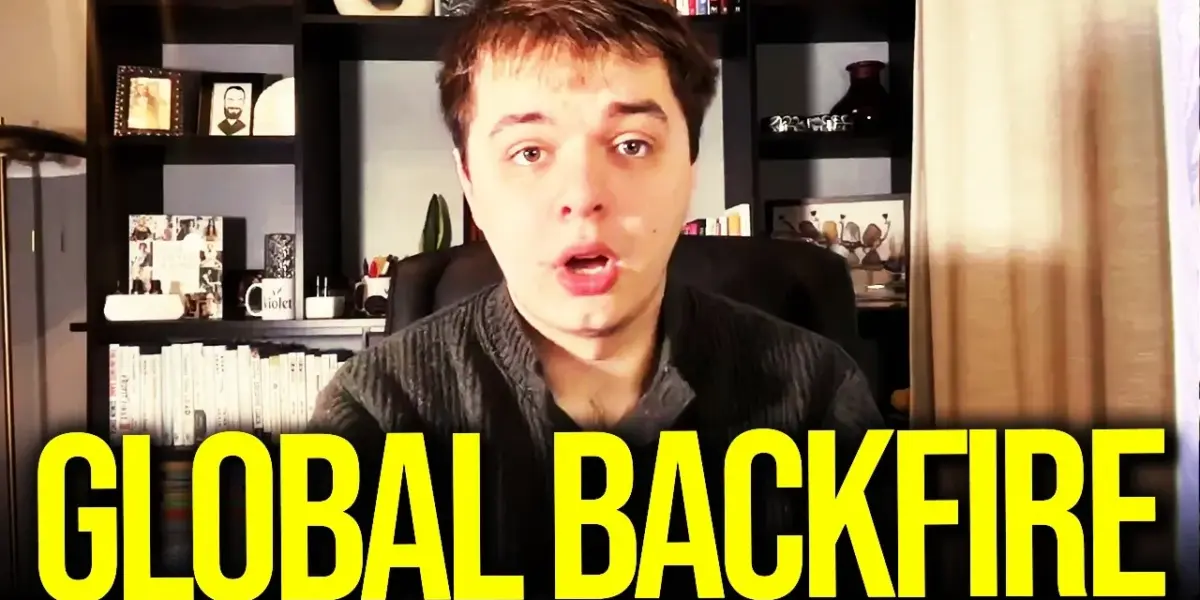
Trump’s Iran Standoff: A Deal Made in Retreat?
President Donald Trump recently announced a halt to planned military actions against Iran, a move that has been met with both relief and sharp criticism. The decision came after weeks of escalating tensions and threats of severe military strikes, including targeting critical infrastructure like power and desalination plants. These threats were framed by the administration as necessary to counter Iran’s military capabilities, but critics argued the definition of ‘military infrastructure’ was overly broad, potentially justifying attacks on civilian targets.
The immediate trigger for the de-escalation appears to be a proposal from Iran, outlined in a 10-point plan. Trump stated that this proposal would serve as the framework for negotiations, a significant shift from his previous stance. He agreed to suspend bombing and attacks for two weeks, contingent on Iran reopening the Strait of Hormuz, a vital shipping lane. This agreement also involves discussions facilitated by leaders from Pakistan, including Prime Minister Sharif and Field Marshall Manur.
A Stated ‘Tacoing’ or Strategic Pause?
The term ‘tacoed,’ used by some commentators, suggests a retreat or backing down from a previously aggressive posture. The administration claims that military objectives have been met and that a definitive agreement for long-term peace is within reach. However, critics point out that the stated goals of the conflict – eliminating nuclear capabilities, cutting off terrorist funding, and disabling missile programs – have not been fully achieved. Iran’s nuclear material and missile programs reportedly remain intact, and the ability to close the Strait of Hormuz still exists.
The situation highlights a recurring pattern: the use of extreme threats, including the destruction of entire civilizations, as a negotiating tactic. Many find this approach alarming, preferring diplomacy without the shadow of existential threats. While the de-escalation is a welcome development, it raises questions about the wisdom of entering such high-stakes confrontations only to seek an ‘off-ramp’ later.
Iran’s 10-Point Plan: Concessions or Compromises?
A closer look at Iran’s 10-point proposal reveals key demands that have sparked debate. The plan includes guarantees against future attacks, a permanent end to hostilities, an end to Israeli strikes on Lebanon, and the lifting of all U.S. sanctions. In return, Iran would reopen the Strait of Hormuz, potentially charging fees for passage and using them for reconstruction. This proposal also involves Iran providing rules for safe passage, effectively giving them significant control over a critical global trade route.
Critics argue that lifting sanctions and allowing Iran to rebuild its military, even with fees for the Strait of Hormuz, represents a major concession. They fear this could empower Iran economically and militarily, directly contradicting the initial aims of the conflict. The idea of Iran controlling passage through the Strait of Hormuz is particularly concerning, as it could be used as leverage in future disputes.
Historical Context and Future Outlook
The current standoff is part of a longer history of U.S.-Iran relations, marked by periods of intense hostility and uneasy detente. The initial conflict, which led to the current tensions, was reportedly initiated by U.S. strikes several months ago. Iran’s response has been to resist, aiming to exert pressure on the U.S. rather than capitulate.
The use of human chains around critical infrastructure in Iran, a tactic to deter attacks, underscores the human cost and the potential for widespread devastation. This situation also fuels arguments for stronger constitutional checks on the president’s ability to initiate warfare, such as invoking the 25th Amendment or strengthening impeachment procedures.
Why This Matters
This incident is more than just a geopolitical chess match; it’s a stark reminder of the fragility of global peace. The reliance on extreme threats and the rapid shifts in policy create instability and increase the risk of miscalculation. For the international community, it highlights the need for consistent diplomatic engagement and clear communication channels to prevent conflicts from spiraling out of control.
The implications are far-reaching. If Iran gains more control over the Strait of Hormuz, it could significantly impact global energy markets and trade. Furthermore, the lifting of sanctions, if it occurs, could reshape regional power dynamics. The long-term outlook depends on whether this two-week pause leads to genuine de-escalation and a sustainable peace agreement, or merely a temporary reprieve before future confrontations.
Trends and Future Outlook
The trend towards using brinkmanship as a negotiation tactic is worrying. It normalizes extreme rhetoric and raises the stakes for everyone involved. The future outlook hinges on whether diplomatic channels can be strengthened and whether leaders can move away from such dangerous strategies. The current situation suggests a desire for resolution, but the terms of any agreement will be crucial in determining future stability in the Middle East.
Source: Trump BACKS DOWN after IMPEACH THREAT! (YouTube)

Related Articles
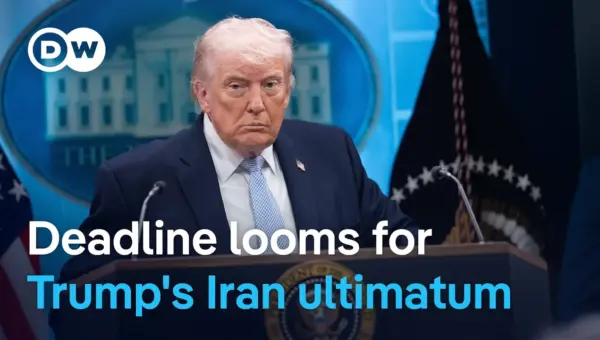
Trump Threatens Iran: ‘Civilization Will Die’
President Donald Trump has issued his most severe threat yet against Iran, warning of 'existential consequences' as a deadline for a deal expired. The conflict has escalated with strikes on civilian infrastructure, raising concerns about war crimes. Experts suggest Trump's rhetoric may mask desperation amid an unpopular war with unclear objectives.

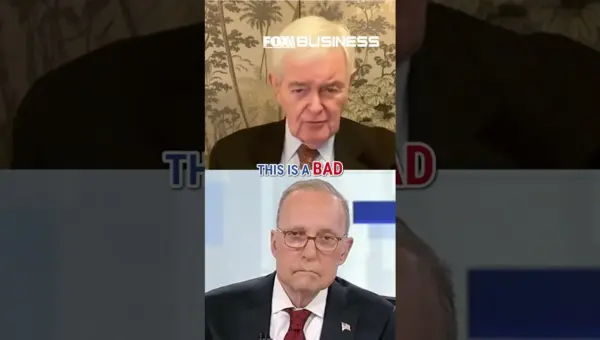
Gingrich: War with Iran Risks American Cities
Former Speaker Newt Gingrich warns that failing to confront Iran could put American cities at risk. He compares the current situation to pre-WWII threats, urging decisive action to prevent catastrophic consequences.
Iran Talks Stall; Striking Now Is Key, Says Gingrich
Newt Gingrich argues that Iran's diplomatic tactics are designed to delay and gain leverage. He believes the current moment is critical for the U.S. to take decisive action against Iran's nuclear and missile programs, warning of severe future consequences if action is not taken now.