Trump’s Iran Stance Unites Base, Podcasters Divide
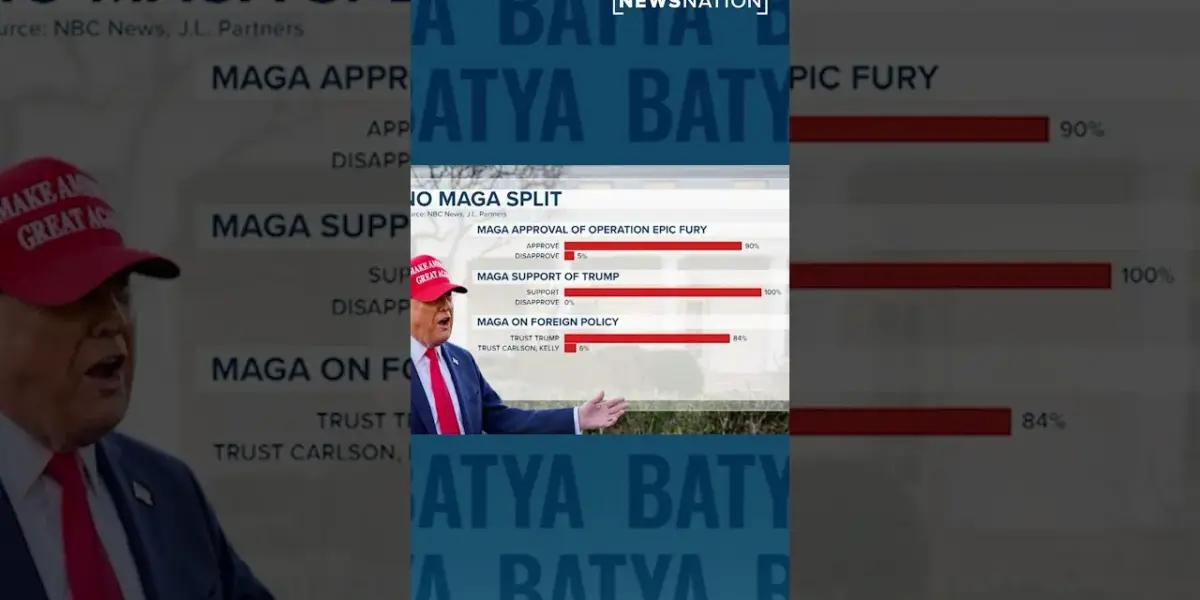
Reports claiming President Trump's base is splitting over Iran policy are inaccurate, according to polling and the President's own statements. He attributes opposition from commentators to low intelligence. Saudi Arabia's strong push for action against Iran adds a key regional dimension often overlooked.

Trump’s Iran Stance Unites Base, Podcasters Divide
Reports suggesting President Trump’s supporters are turning against him over the Iran conflict are misleading. Polling data indicates his base remains firmly behind his approach to foreign policy. The narrative of a split is largely fueled by commentary from certain media figures, not by genuine dissent among voters.
President Trump himself has publicly dismissed these claims. He stated on his social media platform, Truth Social, that the opposition he faces from some commentators is because they possess “Low IQs.” He described these individuals as “stupid people” and “losers.” The President added that he could sway them if he chose but is too busy with “world and country affairs” to engage.
Motivations Behind the Claims
It is notable that these critics often fail to mention the significant role Saudi Arabia has played in this situation. Saudi Arabia has strongly encouraged President Trump to take military action against Iran. They are now eager for him to complete such an action. This context is crucial for understanding the broader geopolitical dynamics at play, which go beyond simple domestic political divisions.
The podcasters and commentators pushing the narrative of a divided base appear to be out of touch with reality. They are not reflecting the actual sentiments of Trump’s supporters. Instead, their commentary seems to be driven by their own agendas or a misunderstanding of the political landscape. The President’s strong words suggest frustration with this misrepresentation.
Historical Context and Geopolitical Interests
The tension between Iran and countries like Saudi Arabia and the United States is long-standing. Decades of regional rivalries and differing strategic interests have shaped this relationship. Saudi Arabia views Iran as a major threat to its regional influence and security. This perception has led Riyadh to seek strong action against Tehran from its allies, including the United States.
President Trump’s approach to Iran has historically been characterized by a “maximum pressure” campaign. This involved sanctions and strong rhetoric aimed at curbing Iran’s nuclear program and regional activities. However, the specific actions taken, or not taken, in response to recent events are subject to various interpretations. The commentary from certain media outlets seems to misinterpret these actions as a deviation from his core base’s desires.
Economic and Regional Dimensions
The economic implications of any conflict with Iran are significant. Iran is a major oil producer, and disruptions to its exports can impact global energy prices. Saudi Arabia, as the world’s largest oil exporter, has a vested interest in regional stability that benefits its economy. The United States also has economic interests tied to global energy markets and its alliances in the Middle East.
The regional balance of power is a key factor. Saudi Arabia and its allies seek to contain Iran’s influence. Iran, conversely, aims to expand its regional reach. This dynamic plays out through proxy conflicts and diplomatic maneuvering, making any decision regarding military action highly consequential for the entire region.
Global Impact
The way this situation unfolds will have far-reaching consequences. If tensions escalate, it could destabilize the global economy, particularly energy markets. A de-escalation, however, could lead to new diplomatic pathways. The commentary from media figures, while influential for some, does not appear to reflect the unified stance of the President’s core supporters on this issue.
The President’s focus on “world and country affairs” suggests a prioritization of what he deems critical national and international matters. His dismissal of critical pundits highlights a perceived disconnect between these commentators and the realities of his political base and foreign policy objectives. Understanding these competing interests and the actual political dynamics is key to analyzing the situation accurately.
Future Scenarios
One scenario is continued diplomatic pressure and sanctions, maintaining the status quo. Another is a limited military engagement, which could have unpredictable consequences. A third is a significant de-escalation, possibly through back-channel negotiations, though this seems less likely given current rhetoric.
The narrative of a divided base appears to be a misreading of the political situation. The President’s firm stance, coupled with consistent support from his base, suggests a stable, albeit tense, political position regarding Iran. The focus should remain on the actions and stated interests of the key state actors, rather than on the often-misleading commentary from a vocal minority in the media sphere.
Source: Batya: Trump coalition split over Iran conflict is ‘nonsense’ (YouTube)

Related Articles

US Navy Blockades Strait of Hormuz After Talks Collapse
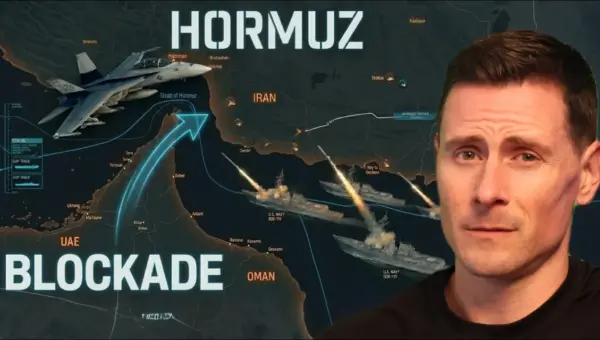
The U.S. Navy has launched a naval blockade of the Strait of Hormuz after critical ceasefire talks with Iran collapsed. This move follows accusations of Iranian "extortion" through alleged mine-laying and toll collection in the vital shipping lane. The operation aims to ensure global energy flow and challenge Iran's control over the waterway.
Ukraine Offers Combat Expertise in Middle East War
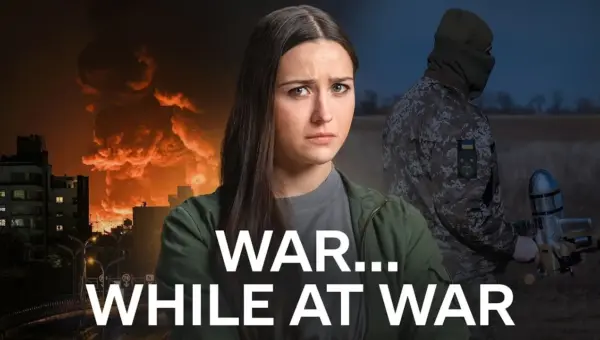
Ukraine is leveraging its extensive combat experience to offer air defense expertise and drone technology to nations involved in the Middle East conflict. This move aims to forge new alliances, secure economic benefits, and bolster its global standing, despite facing rejections and internal challenges.
Iran’s AI Trolls Outsmart Trump’s Online War
Iran has turned to AI-generated videos and a relentless online trolling campaign to counter Donald Trump following failed negotiations. This strategy highlights a new form of asymmetrical warfare in the digital age, raising questions about the future of international relations and information control.