Trump’s Iran Stance Shifts Amidst Shifting Global Alliances
President Trump's latest Iran deadline has passed, resulting in a fragile ceasefire rather than escalation. Meanwhile, Vice President JD Vance's visit to Hungary highlights the growing alignment between the Trump administration and conservative populist movements abroad.

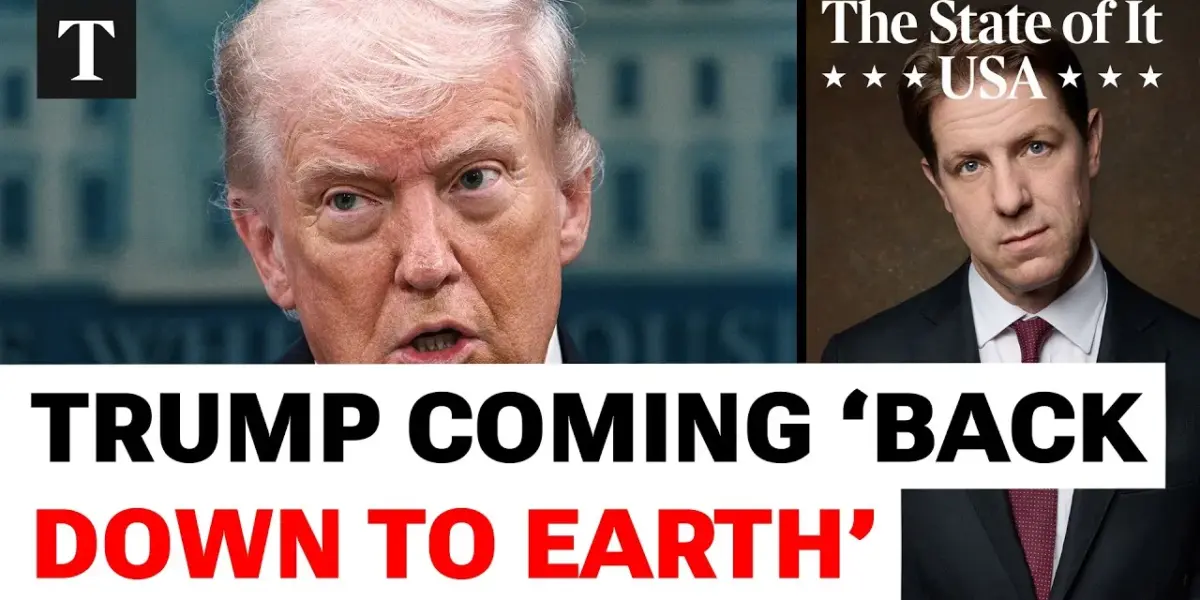
Trump’s Iran Deadline Expires, Ceasefire Holds Amidst Uncertainty
In a dramatic turn of events, President Donald Trump’s ultimatum regarding Iran has passed without the feared escalation, leading to a fragile ceasefire. This marks the third time Trump has set a firm deadline on the issue, only to step back from the brink. Now, it appears Iran is dictating terms, suggesting a significant shift in the power dynamic. The situation remains tense, with questions lingering about the durability of the ceasefire and the roles of key international players.
A Diplomatic Tightrope: Navigating the Iran Crisis
The week began with President Trump’s stark warnings about the “end of civilization” in Iran. However, behind the scenes, a flurry of diplomatic activity unfolded. World leaders, celebrities, and journalists reportedly contacted Trump, urging de-escalation. Ultimately, a last-minute ceasefire deal emerged, a move that Iran has framed as a victory, asserting its increased influence. The U.S., however, highlights that just weeks ago, Iran was unwilling to agree to any ceasefire at all.
The current truce is described as delicate. Concerns persist about Israel’s actions and Iran’s compliance with opening the Strait of Hormuz. Despite these doubts, the absence of further military action has been met with relief by some of Trump’s base, who feared a wider conflict. Market reactions have been positive, with oil prices falling significantly, reflecting a broader sense of easing tensions.
Shifting Goals: From Regime Change to Negotiation
Notably, the rhetoric surrounding the Iran crisis has changed. Gone are the calls for regime change and the talk of popular uprisings within Iran. The focus has shifted towards negotiation and reaching a deal. This represents a significant pivot from the initial objectives, which included destabilizing the Iranian regime, integrating Iran into the global economy, and weakening Russia’s influence.
Analysts suggest that the U.S. strategy has always had more flexible aims. President Trump is known for making bold demands and then adjusting expectations, often leading to a middle ground that might have seemed unreasonable initially. While some view this as a sign of Trump backing down, others see it as a calculated approach to achieve achievable outcomes.
Internal Divisions and International Outreach
Recent reports, including excerpts from an upcoming book by Maggie Hayman and Jonathan Swan, shed light on internal discussions within the Trump administration. These accounts suggest that figures like Vice President JD Vance and Senator Marco Rubio were initially skeptical of the case for military action presented by Israel. While Trump may have initially aligned with Israel’s desire for regime change, it appears the U.S. and Israeli positions have diverged, particularly concerning the recent truce.
The analogy of a shop has been used to describe the differing objectives: the U.S. is content to take certain desired items and leave, while Israel aims for a complete overhaul of the store. This fundamental difference in goals appears to be a source of ongoing tension.
JD Vance’s European Tour: Hungary and the MAGA Movement
In a separate but related development, Vice President JD Vance recently visited Budapest, Hungary, to campaign for Prime Minister Viktor Orbán. This visit, the first by a top-level U.S. official in two decades, underscores the growing alignment between the Trump administration and Orbán’s government. Vance even connected Trump to the crowd via speakerphone during a speech.
Orbán, often described as a pioneer of “illiberal conservatism,” has championed ideas like Christian nationalism and the defense of Western civilization against perceived threats. These concepts resonate strongly with the MAGA movement in the United States. The U.S. National Security Strategy has even hinted at a desire to destabilize European incumbents and support their opponents, a policy that could strain relationships with NATO allies.
Vance’s trip is seen by some as more than just support for Orbán; it’s a declaration of his own political identity and a signal to the Republican party. With potential future leadership contests within the MAGA movement, Vance’s public alignment with Orbán positions him as a key figure advocating for a specific strand of conservative ideology. This contrasts with other figures like Senator Marco Rubio, who have expressed more hawkish views, particularly regarding Europe and NATO.
Global Echoes: Populism and the Trump Effect
The political alignments seen in Hungary have broader implications. The rise of figures like Orbán and the embrace of similar ideologies by the MAGA movement suggest a global trend in conservative populism. However, the effectiveness of these models is being questioned. In Hungary, Orbán’s economic policies are facing challenges, while neighboring countries like Poland and the Baltic states are experiencing growth through more traditional liberal economic approaches.
The influence of Donald Trump on international politics is undeniable. His actions and rhetoric often shape political discourse in other countries. The question remains whether this global populist movement, inspired in part by Trump, will ultimately succeed or fade, much like the illiberal conservative model may be doing in its country of origin.
Looking Ahead: The Fragile Peace and Political Futures
As the ceasefire in Iran holds, albeit tenuously, the world watches to see if this fragile peace will last. The upcoming Hungarian elections will also be a key indicator of the strength of the illiberal conservative movement. For the Trump administration and its allies, the coming weeks will be crucial in navigating these complex geopolitical and domestic political landscapes. The long-term implications of these shifting alliances and the evolving nature of conservative populism will continue to unfold.
Source: Is Trump Losing Control of the Iran Crisis? | Katy Balls & Fraser Nelson (YouTube)

Related Articles
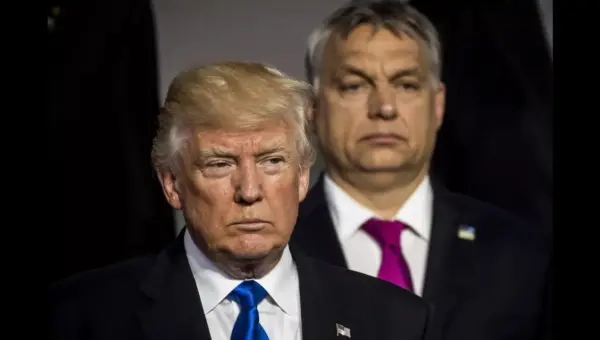
Orban’s Defeat Deals Blow to Trump’s Global Standing
Viktor Orban's significant election loss in Hungary is seen as a major blow to Donald Trump and JD Vance's global influence. The outcome challenges the momentum of the far-right and offers hope for democratic movements worldwide, with potential lessons for the U.S. Democrats.
US Navy Blockades Strait of Hormuz, Targets Iranian Tolls
The U.S. Navy has initiated a blockade of the Strait of Hormuz, targeting vessels paying Iranian transit tolls. This move aims to cut off Iranian revenue and follows failed diplomatic talks. The action carries significant geopolitical risks, particularly concerning potential Chinese involvement.


Hungary Rejects Orban’s Rule: A Democratic Uprising
Hungary has ousted Prime Minister Viktor Orban after 16 years in power, with the opposition Taisa party securing a decisive victory and potentially a supermajority. Record voter turnout signaled a strong public desire for democratic change and a pro-European future.