Trump’s Iran Stance: Mixed Messages, Allies Scorned
Donald Trump's conflicting statements on a potential Iran ceasefire and his sharp criticism of allies reveal a complex and potentially destabilizing foreign policy approach. His call for nations to secure their own oil from the Strait of Hormuz signals a move towards greater self-reliance, raising questions about future global stability and U.S. alliances.

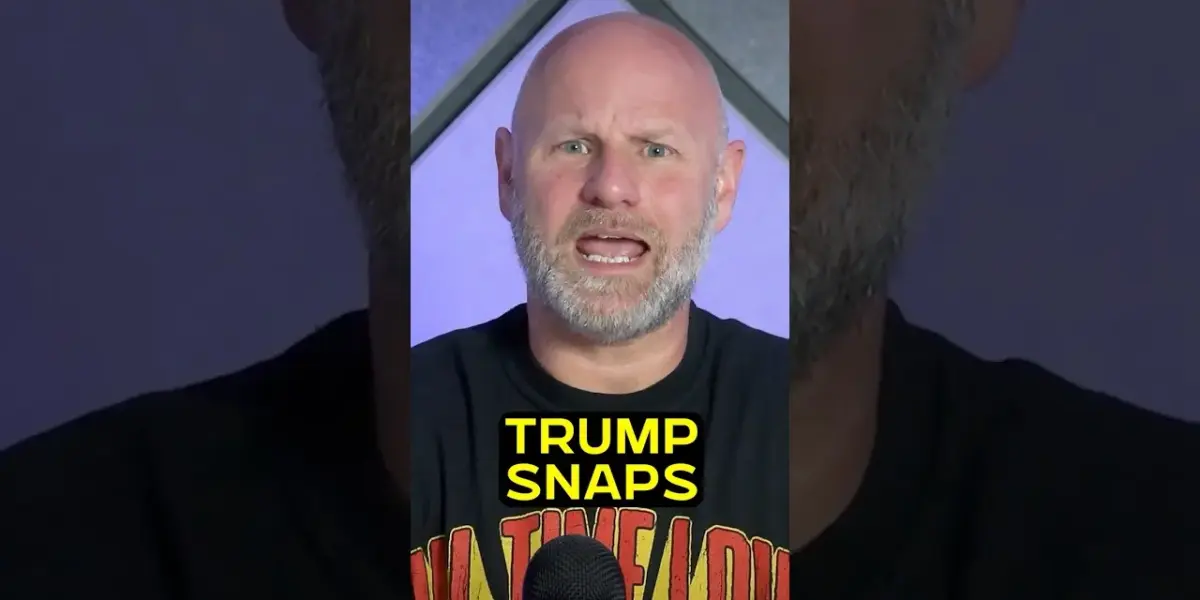
Trump’s Conflicting Iran Statements Spark Confusion
On a Wednesday morning, Donald Trump made a striking statement about Iran. He declared that Iran had asked for a ceasefire, but he refused it. Trump insisted that only the complete destruction of Iran would satisfy him. Yet, in the same breath, he claimed victory and suggested a deal was already being made. This created a puzzling contradiction: if a deal was happening and victory was declared, why the demand for utter annihilation?
Just hours later, Iran responded, calling Trump’s claims false. They stated that his words were lies, as is often the case. This leaves everyone unsure who to trust. However, the speaker suggests that Donald Trump is likely not the reliable source.
Trump Lashes Out at Allies Over Iran Conflict
Before the ceasefire announcement, Trump was reportedly furious with American allies. These countries had chosen not to get involved in the conflict that Trump and Israeli Prime Minister Netanyahu had escalated. Trump took to his social media platform, Truth Social, to voice his anger.
All of those countries that can’t get jet fuel because of the Strait of Hormuz like the United Kingdom which refused to get involved in the decapitation of Iran. I have a suggestion for you. Number one, buy from the US. We have plenty. And number two, build up some delayed courage. Go to the Strait and just take it. It’s certainly Oh, sorry. You’ll have to start learning how to fight for yourself. The USA won’t be there to help you anymore. Just like you weren’t there for us, Iran has been essentially decimated. The hard part is done. Go get your own oil.
Trump’s message to these allies was clear: they should buy fuel from the U.S. and find the courage to secure their own oil from the Strait of Hormuz. He argued that the hard work of weakening Iran was already done. He also implied that the U.S. would no longer be there to help them, suggesting they hadn’t supported the U.S. in the past.
Concerns Over U.S. Abandonment and Future Stability
One social media user observed that Trump seemed to be preparing to abandon the Strait of Hormuz. This would leave other nations to deal with the resulting chaos. The Strait of Hormuz is a vital waterway for global oil transport. Any disruption there can significantly impact oil prices and supply worldwide.
This situation raises questions about U.S. foreign policy and its reliability as an ally. Trump’s approach suggests a more isolationist stance, where allies are expected to fend for themselves. This could lead to increased instability in regions critical to global trade and security.
Why This Matters
The conflicting statements from Trump and Iran create uncertainty and potential for escalation. When a world leader makes contradictory claims, it undermines trust and makes diplomatic solutions harder to find. It also leaves allies and adversaries alike guessing about U.S. intentions.
Furthermore, Trump’s criticism of allies and his call for them to act independently highlight a potential shift in American foreign policy. If the U.S. withdraws its support, nations that rely on its security guarantees may be forced to build up their own military capabilities or seek new alliances. This could reshape global power dynamics and potentially lead to regional conflicts.
Historical Context and Background
The Strait of Hormuz has long been a point of tension between Iran and other global powers. Iran has previously threatened to close the strait, which would severely disrupt oil shipments from the Persian Gulf. The U.S. has historically maintained a naval presence in the region to ensure freedom of navigation and protect oil supplies.
Donald Trump’s presidency saw a more assertive approach toward Iran, including withdrawing from the Iran nuclear deal and reimposing sanctions. This has led to increased tensions and several near-confrontations in the region. His current rhetoric appears to continue this pattern of strong language and a demand for unilateral action.
Implications, Trends, and Future Outlook
The trend suggested by Trump’s statements is a move away from multilateral cooperation and toward a more transactional, self-interested foreign policy. If this approach continues, we could see a less predictable international environment. Allies might question the value of their partnerships with the U.S., potentially leading to a fragmentation of existing security alliances.
For the energy markets, any instability around the Strait of Hormuz poses a significant risk. The message that allies must secure their own resources could spur investment in alternative energy sources and supply routes. However, in the short term, it could also lead to increased volatility and higher prices if supply chains are threatened.
The future outlook depends heavily on how these events unfold and the broader direction of U.S. foreign policy. The conflicting messages about the Iran situation need clarification. The questioning of long-standing alliances also signals a potential shift that could have lasting global consequences.
Source: Trump SNAPS at allies (YouTube)

Related Articles

Trump’s Iran Deal: Bold Tactics Yield Fragile Peace
A panel discusses President Trump's Iran ceasefire deal, a special election in Georgia, the DOJ's renewed fight against fraud, and Trump's relationship with Hungarian Prime Minister Viktor Orbán. Analysts debate Trump's negotiation tactics, the implications of the Georgia race, and the U.S.'s foreign policy stance.
Trump Halts Iran Attacks, Seeks Peace Deal
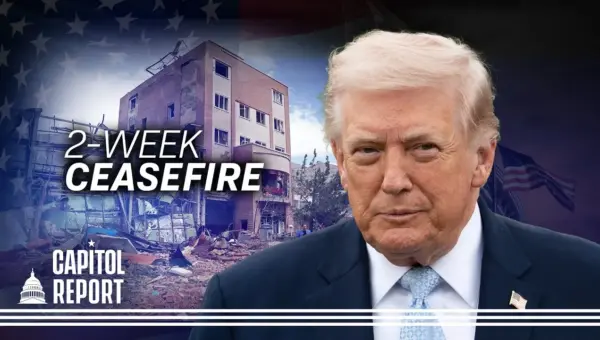
President Trump has agreed to a two-week suspension of attacks on Iran, contingent on Iran reopening the Strait of Hormuz. This move comes as the U.S. reports progress on a peace proposal and highlights the Iranian people's desire for freedom.

Trump’s MAGA Allies Now See His Failings
As Donald Trump faces growing criticism, even his former MAGA allies are starting to voice regret. Confusing messages on foreign policy and the handling of sensitive issues like the Epstein files are causing voters to question his leadership. This shift could significantly impact future elections.