Trump’s Iran Stance Holds Firm Amid Shifting Global Tensions
The Trump administration maintains a firm stance on Iran, balancing diplomatic talks with troop deployments to the Middle East. Meanwhile, domestic issues like DHS shutdown impacts and international concerns over cultural expression in China are also highlighted. The situation underscores a complex global environment where diplomacy, military readiness, and cultural narratives intersect.

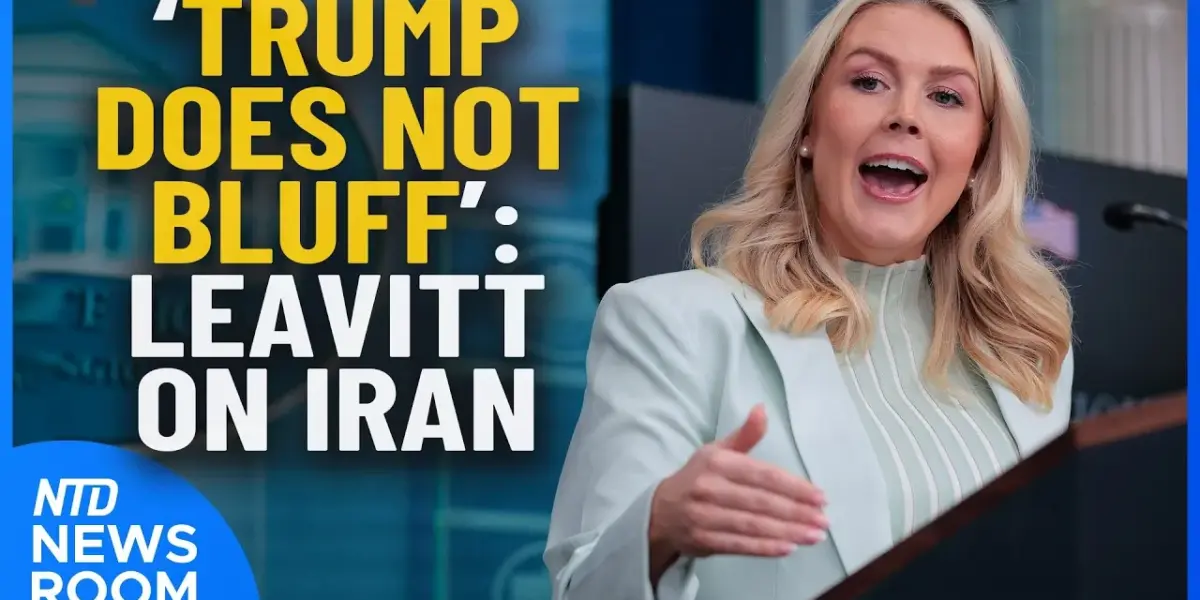
Trump’s Iran Stance Holds Firm Amid Shifting Global Tensions
The Trump administration’s approach to Iran remains a central focus, with continued diplomatic efforts underway. Recent reports indicate that the White House has delivered a clear message to the remaining elements within the Iranian regime, suggesting a firm stance in ongoing negotiations. This communication comes as the Pentagon orders additional troops to the Middle East, signaling a heightened military readiness in the region.
Interestingly, despite the increased troop presence, oil prices have seen a decline. This drop appears to be linked to growing optimism for a potential de-escalation or breakthrough in the tensions surrounding Iran. President Donald Trump has publicly commented on these ongoing talks, suggesting a belief in his administration’s strategy to achieve a favorable outcome without resorting to further conflict.
Domestic Concerns Add to the Mix
Beyond international relations, the transcript touches upon domestic issues, specifically the impact of a Department of Homeland Security (DHS) shutdown. House hearings are addressing the negative consequences, including record-long wait times at airports and heightened security concerns during major events like the World Cup. This highlights how international policies and domestic operational challenges can become intertwined.
Cultural Narratives Face Intimidation
A different thread in the report concerns a new documentary, “Unbroken: The Untold Story of Shen Yun.” The film details the challenges faced by Shen Yun Performing Arts, which reportedly encounters threats and intimidation. These actions are said to stem from the group’s efforts to share what they describe as the true story of Chinese culture. NTD’s Arleen Richards attended the premiere, bringing attention to these alleged pressures.
Why This Matters
The developments surrounding Iran are significant because they involve a delicate balance of diplomacy, military posturing, and economic factors. The falling oil prices, despite troop deployments, suggest that markets are reacting to the *possibility* of a diplomatic solution, a key indicator of global economic sentiment. The administration’s messaging to Iran, coupled with troop movements, presents a dual approach: asserting strength while keeping channels for negotiation open. This strategy aims to pressure Iran into reconsidering its actions without initiating a full-scale conflict.
The mention of the DHS shutdown and its impact on airport security and public events underscores the importance of stable government operations. When essential services are disrupted, it can create practical problems for citizens and increase national security risks. The hearings suggest a need for resolution to ensure smooth functioning of critical infrastructure, especially during times of international attention or large public gatherings.
Furthermore, the documentary’s focus on Shen Yun brings attention to the complexities of cultural expression and potential political interference. The alleged threats and intimidation highlight concerns about freedom of speech and artistic integrity, particularly when narratives might challenge established political viewpoints. This issue touches upon broader questions about how governments interact with cultural performances and the stories they tell.
Historical Context
The United States’ relationship with Iran has been complex for decades, marked by significant events like the 1979 hostage crisis and subsequent diplomatic tensions. The current administration’s policy, often characterized as an “America First” approach, has involved withdrawing from international agreements and reimposing sanctions, aiming to curb Iran’s nuclear program and regional influence. This mirrors historical patterns where periods of increased pressure are often followed by attempts at negotiation, though the specific tactics and rhetoric can vary greatly.
The concerns raised about Shen Yun Performing Arts also connect to broader discussions about China’s international image and its approach to dissent. For years, Shen Yun has been a subject of discussion, with the group itself often speaking out about alleged suppression by the Chinese Communist Party. This documentary appears to add another layer to that ongoing narrative, presenting a perspective on the challenges faced by artists who are perceived as critical of the ruling party.
Trends and Future Outlook
The current situation suggests a trend towards assertive diplomacy backed by military readiness. The success of this strategy will likely depend on Iran’s response and the willingness of international partners to align with U.S. objectives. If diplomatic channels prove fruitful, we could see a period of reduced regional tension and potentially stabilizing energy markets. However, miscalculation or escalation remains a risk, which is why the troop deployments are notable.
Domestically, the focus on DHS operations points to a continuing need for bipartisan cooperation to ensure government functions smoothly. The challenges at airports and during events are likely to persist if funding and operational issues are not resolved, impacting public trust and national security preparedness. This could become a recurring issue in future budget debates.
On the cultural front, the documentary’s release indicates a persistent global interest in narratives concerning human rights and freedom of expression, particularly concerning China. As more information and artistic works emerge, the international community may face increased scrutiny of China’s internal policies and its impact on cultural exchanges. The way these stories are received and reported will shape public perception and potentially influence international relations and cultural policies moving forward.
Source: 'Trump Does Not Bluff' – Leavitt On Iran; Trump-Xi Meeting Set For May 14 | NTD Newsroom (March 25) (YouTube)

Related Articles
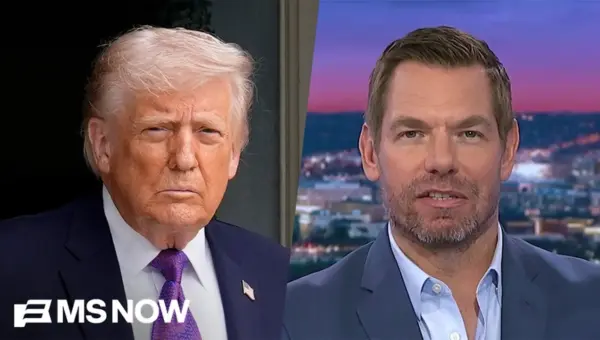
Trump’s Iran War Plans Criticized Amid Border Funding Standoff
Lawmakers and analysts are criticizing the Trump administration's handling of the Iran conflict and its approach to border funding, arguing that a lack of clear planning and a focus on political battles are making the U.S. less safe. Concerns are particularly high regarding the FBI's priorities and the potential impact of these issues on national security.
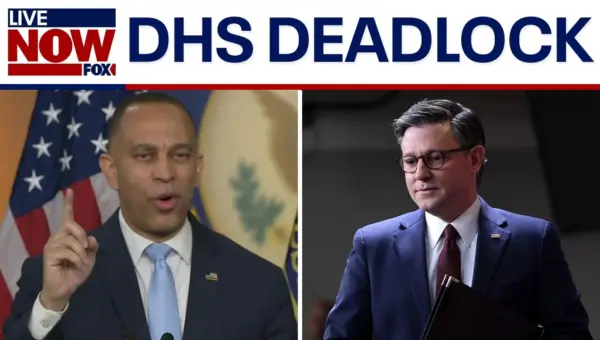
Democrats Demand End to DHS Shutdown, Pass Bipartisan Bill
Democrats are demanding an immediate end to the Department of Homeland Security (DHS) shutdown, urging House Republicans to pass a bipartisan Senate bill. The legislation aims to fund essential services, pay TSA agents, and end airport chaos. Democrats criticize Republicans for obstructing the bill to push ideological agendas and reform ICE.
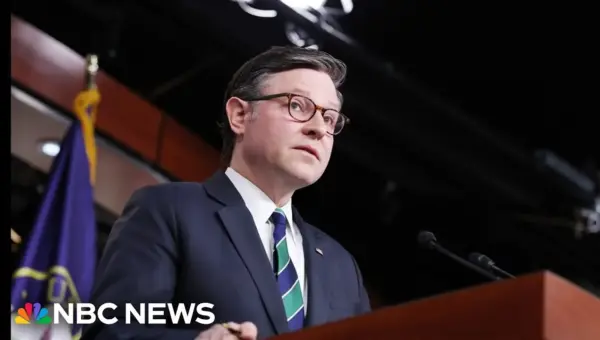
DHS Shutdown Deepens as Speaker Johnson Rejects Senate Deal
The partial government shutdown continues as House Speaker Mike Johnson rejected a bipartisan Senate deal to fund the Department of Homeland Security. Instead, the House will vote on a separate measure, a move Democrats call "dead on arrival." President Trump has used an executive order to unilaterally fund TSA workers, offering some relief amid widespread airport disruptions and financial hardship for federal employees.