Trump’s Iran Stance: A Calculated Risk for Markets?
President Trump has issued a two-week ultimatum to Iran to open the Strait of Hormuz, threatening continued attacks if demands are not met. The complex internal dynamics of Iran and potential sabotage attempts pose risks to negotiations. Investors are closely watching for market impacts on oil prices and global trade.

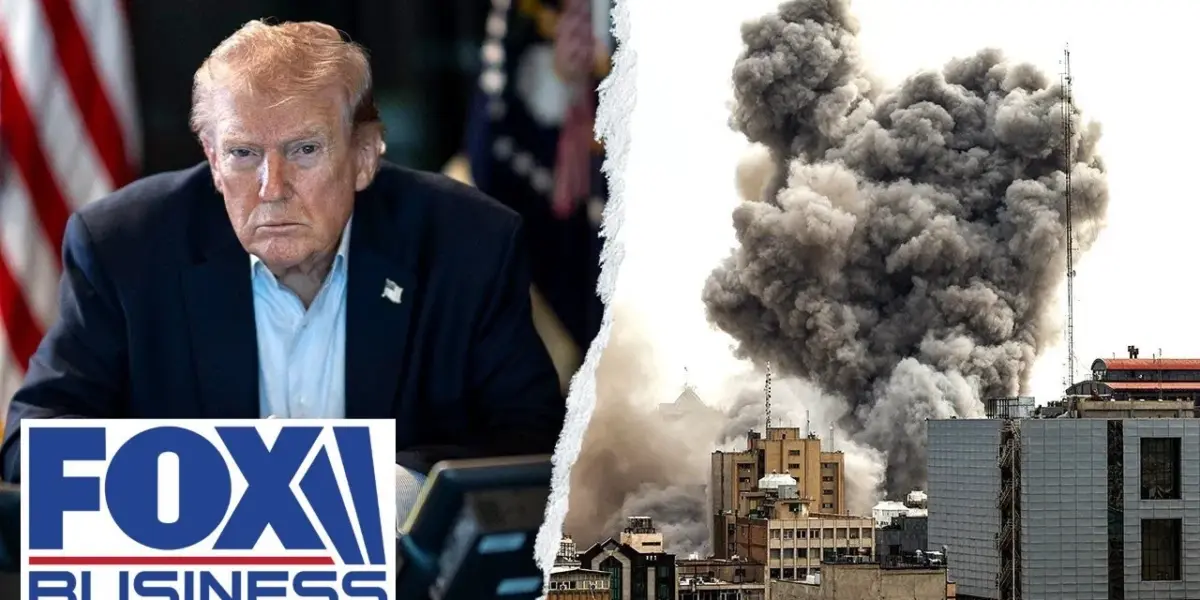
Trump Offers Iran a Two-Week Ceasefire, Demands Strait Opening
President Trump has issued a firm ultimatum to Iran: open the Strait of Hormuz immediately and safely, or face continued attacks. In a statement released yesterday, Trump agreed to suspend bombing and attacks on Iran for a period of two weeks, but only if the Islamic Republic meets these specific conditions. The Strait of Hormuz is a critical global shipping lane, and its closure or disruption can significantly impact oil prices and international trade.
Iran’s Internal Dynamics Could Stall Negotiations
KT McFarland, a former Deputy National Security Adviser, suggests that Iran might not be able to quickly meet Trump’s demands. She points out that the chain of command within Iran is complex, with authority devolved to lower levels. This means a local commander could potentially defy orders or attempt to sabotage any agreement. McFarland believes Iran needs time to get its leadership organized, but Trump’s patience may be limited. If Iran cannot resolve its internal issues and agree to the terms within a short period, Trump is likely to resume military action.
Limited Strait Traffic Proposed Under Ceasefire
Under the proposed two-week ceasefire, Iran would reportedly limit traffic through the Strait of Hormuz to just 12 ships per day. This is a stark contrast to the roughly 130 ships that typically transit the vital waterway daily before the escalation. The limited capacity raises concerns about the economic impact even if an agreement is reached.
Market Reacts to Geopolitical Tensions
The financial markets are closely watching this developing situation. Investors are concerned about what could go wrong in the next 72 hours that might throw markets into further chaos. A key risk identified is an attempt by elements within Iran to sabotage the fragile ceasefire. The disconnect between Iran’s civilian and military leadership, particularly the powerful Iranian Revolutionary Guard Corps (IRGC), adds another layer of uncertainty. With much of Iran’s senior military and clerical leadership eliminated, negotiations are now happening with second or third-tier leaders who may lack the authority to enforce an agreement.
Trump’s “Art of the Deal” Negotiating Tactic
McFarland explained that President Trump’s negotiating style, often described as hard-line, is consistent with his approach in business and politics. He tends to start with an ambitious, almost impossible demand, knowing he can negotiate down to a more achievable outcome. This tactic, detailed in his book “The Art of the Deal,” aims to gain leverage. McFarland believes that even the Democrats’ accusations of war crimes might serve as a form of deterrence, making Iran more inclined to reach a settlement out of fear of unpredictable U.S. actions.
Democrats Criticize Trump’s Iran Policy
Meanwhile, some Democrats are critical of President Trump’s handling of Iran. Congressman Jamie Raskin was reportedly planning a briefing on the 25th Amendment, suggesting concerns about presidential authority. McFarland argues that Democrats lack other talking points and are resorting to attacking Trump, even when he achieves diplomatic or military successes. She contrasted Trump’s approach with the Biden administration’s past actions, including waiving sanctions that allegedly provided Iran with hundreds of billions of dollars and did not prevent proxy violence against Israeli families. The current focus on gasoline prices, a key concern for voters, is also highlighted as a point of contention.
Market Impact: What Investors Should Know
The situation in the Strait of Hormuz directly impacts global oil supply and prices. Any prolonged disruption or uncertainty can lead to spikes in crude oil prices, affecting transportation costs and consumer spending. This can ripple through various sectors, from airlines and shipping to manufacturing and retail. Investors should monitor news related to the negotiations, any potential Iranian responses, and the flow of oil through the strait. The stock market, particularly energy stocks, could see increased volatility. While Trump’s aggressive stance aims for a swift resolution, the internal complexities within Iran and the political dynamics in the U.S. introduce significant risks that could prolong geopolitical tensions.
Source: TOUGH NEGOTIATOR: Trump takes HARD LINE on Iran, says ex-national security official (YouTube)

Related Articles
Trump Threatens Media Over Ceasefire Report
Donald Trump has escalated his conflict with CNN, threatening investigations after the network reported on Iran's claims regarding a ceasefire agreement. This action raises serious concerns about press freedom and potential government overreach.

Trump’s Iran War Fuels Inflation, Strains Alliances
Donald Trump's recent military actions in Iran are being blamed for a significant rise in U.S. inflation and increased gas prices, impacting consumer confidence. The conflict has also strained relationships with key international allies, leading to diplomatic friction and questions about the future of alliances like NATO.
MAGA Elite Rebel: Trump Battles His Own Loyalists
Donald Trump is facing a revolt from his own MAGA elite, including figures like Tucker Carlson and Alex Jones. The conflict erupted after Trump's comments on potentially threatening Iranian civilians, which even his loyalists found unacceptable. This internal dissent, backed by data from his own social media, signals potential cracks in his base.