Trump’s Iran Speech Sparks Market Chaos, Raises War Crime Fears
Donald Trump's national address on the Iran conflict triggered immediate market chaos, with billions lost in value. Critics decried the speech for its unclear strategy and potential threats of war crimes, while Iran responded with warnings and accusations of U.S. unreliability. The event highlights the volatile link between foreign policy and global economics.

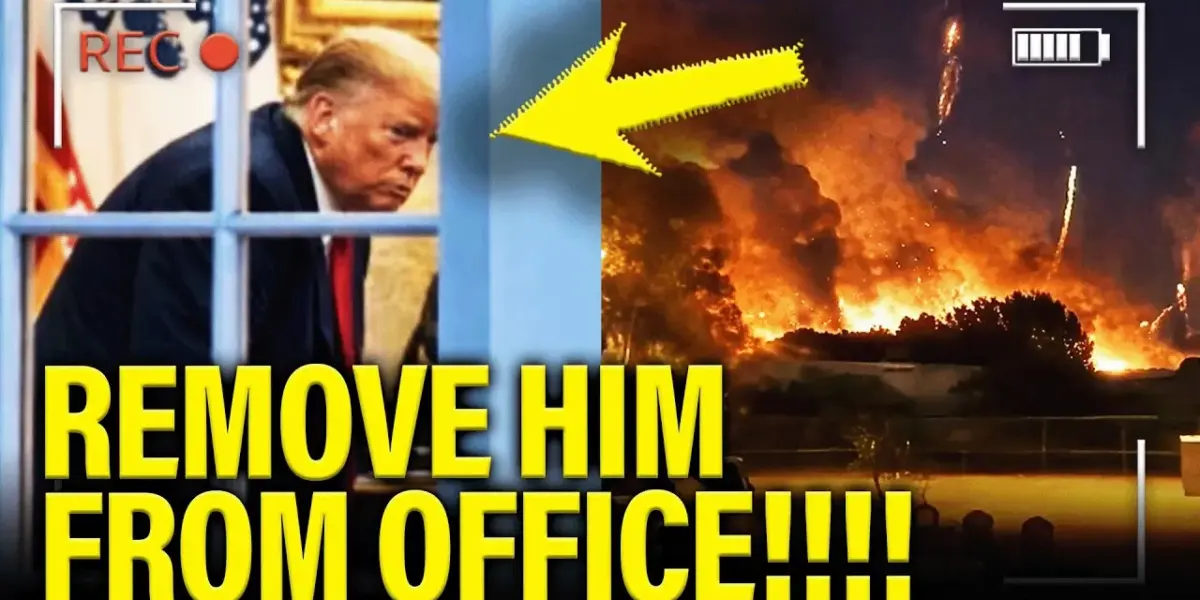
Trump’s National Address on Iran Plunges Markets into Turmoil
In a recent national address concerning the conflict in Iran, Donald Trump’s words appeared to trigger immediate and significant market instability. Reports suggest that an alleged Iranian ballistic missile strike on Bahrain, home to the U.S. Navy’s Fifth Fleet, occurred around the same time as his speech. This event directly contradicted his claims of having “obliterated all of Iran’s weapons.” The speech, intended to address the war, seemed to have the opposite effect, causing widespread confusion and concern among financial markets.
Market Reactions and Economic Fallout
The economic consequences of Trump’s address were swift and severe. Within approximately 20 minutes of the speech concluding, the S&P 500 futures reportedly lost $550 billion in market value. This sharp decline was mirrored across other markets. Gold and silver prices also fell, while Bitcoin dropped below $67,000. Simultaneously, oil prices began to surge, signaling potential increases in gas prices. Treasury note yields also rose, with the 10-year yield heading back toward 4.40%. This increase in yields suggests a potential rise in mortgage rates back above 7% and a significant increase in the cost of U.S. debt servicing.
“The entire market was expecting that Donald Trump would deescalate the Iran war. … And as the Kobasi letter said, when that did not happen, the 10-year note yield is back on its way to 4.40%.”
Analysis based on transcript
Critique of the Speech and Policy Concerns
Beyond the market reaction, the speech itself faced significant criticism. Observers described it as “strange, low energy, completely devoid of any real purpose.” The address reportedly repeated previous claims about the war without offering new clarity or a clear strategy for de-escalation. Some analyses pointed to Trump’s casual threats of potential war crimes, such as targeting Iran’s power plants, and his remarks about the Strait of Hormuz opening “magically.” The speech’s disjointed nature and perceived cognitive decline during the delivery raised questions about its intended audience and effectiveness.
Comparisons were drawn to past events, with one analysis suggesting a parallel to the early stages of the COVID-19 pandemic, where optimistic timelines were set without clear exit strategies. The rhetoric from officials, like Secretary of Defense Pete Hegseth’s comment about sending Iran “back to the Stone Age,” was criticized for potentially conflating the Iranian government with its people and for its aggressive tone.
Iran’s Response and International Diplomacy
Iran’s government responded to the situation by stating their Supreme Leader was in good health, attributing his absence from public view to wartime conditions. They also expressed a lack of trust in American diplomacy, suggesting the U.S. uses negotiations to impose demands or resort to force. Iran reiterated its commitment to self-defense, stating they would retaliate proportionally if attacked, and accused the U.S. of entering the conflict at the urging of Israel. An open letter from Iran’s President Ebrahim Raisi to the American people suggested that the U.S. government, not the American people, was responsible for the current conflict.
Senior Iranian officials also reiterated their capability to close the Strait of Hormuz, a critical global shipping lane, and suggested it would be difficult to reopen. This statement highlighted the potential for significant disruption to global oil supplies.
Differing Views on Strategy and Alliances
The situation also exposed divisions in foreign policy approaches. While some, like Senator Lindsey Graham, advocated for aggressively dismantling Iran’s national infrastructure, others, like Marco Rubio, questioned the value of alliances like NATO. Rubio suggested re-examining NATO’s role, particularly after perceived denials of basing and overflight rights during the conflict. This sentiment was echoed by former Trump administration officials, who criticized NATO’s perceived lack of support for U.S. military operations.
Meanwhile, the United Kingdom hosted a meeting with several nations to discuss the Strait of Hormuz, indicating that many countries are seeking diplomatic solutions independently of the United States, suggesting a perception of the U.S. as an unreliable partner in the region.
Historical Context and Legal Concerns
The transcript also touched upon historical context, referencing the 2015 JCPOA (Iran nuclear deal) negotiated under the Obama administration, with former lead negotiator Robert Mali expressing concern over Trump’s threats of war crimes. The discourse also raised concerns about potential war crimes, with specific reference to targeting civilian infrastructure like power plants, which could violate international humanitarian law. The aggressive rhetoric and potential actions described were framed by some as unlawful and unjustified, potentially constituting crimes against humanity.
Furthermore, the transcript mentioned Trump’s attendance at Supreme Court oral arguments and his subsequent criticism of the justices, even those he appointed. This behavior was seen by some as a sign of declining respect for judicial independence and the rule of law.
Approval Ratings and Future Outlook
The analysis also presented data on Trump’s approval ratings, which were reportedly low, particularly on issues like gas prices and inflation. The speech and the ongoing conflict were seen by some as potentially leading to further escalation, with speculation about a possible ground invasion of Iran. Reports also indicated that the U.S. Department of Defense had presented a plan to Trump for acquiring enriched uranium from Iran, a move that would involve significant logistical and security operations.
Why This Matters
This event underscores the profound impact that presidential rhetoric and foreign policy decisions can have on global financial markets and international relations. The swift market reaction to Trump’s address highlights the interconnectedness of geopolitical stability and economic prosperity. The concerns raised about potential war crimes and the erosion of diplomatic trust have significant implications for international law and the future of global security. The differing views on alliances like NATO and the independent diplomatic efforts by other nations suggest a shifting global order. The perceived lack of a clear de-escalation strategy and the aggressive tone employed raise critical questions about the long-term consequences of such actions for regional stability and U.S. standing on the world stage.
Implications and Future Trends
The situation suggests a potential for continued volatility in energy markets and a strain on international alliances. The emphasis on unilateral action and aggressive posturing could lead to further isolation of the United States in diplomatic efforts. The discourse around war crimes and the disregard for established international norms could set dangerous precedents. Looking ahead, the effectiveness of diplomatic channels versus military solutions in resolving international conflicts will likely remain a central debate. The reliability of U.S. leadership in international crises may also be tested, potentially leading other nations to seek alternative security arrangements.
Historical Context and Background
The current tensions are rooted in a long history of complex U.S.-Iran relations, including past U.S. involvement in Iranian politics, the 1979 revolution, and subsequent sanctions and diplomatic standoffs. The 2015 JCPOA aimed to curb Iran’s nuclear program in exchange for sanctions relief, but its collapse and the subsequent U.S. withdrawal under the Trump administration significantly heightened tensions. The current conflict appears to be an escalation of these long-standing issues, exacerbated by regional rivalries and shifting geopolitical alliances.
Source: Trump PANICS as WAR RETREAT BLOWS UP in HIS FACE!!!! (YouTube)

Related Articles
Trump Fires Bondi: A Loyalty Test Ends in Public Humiliation
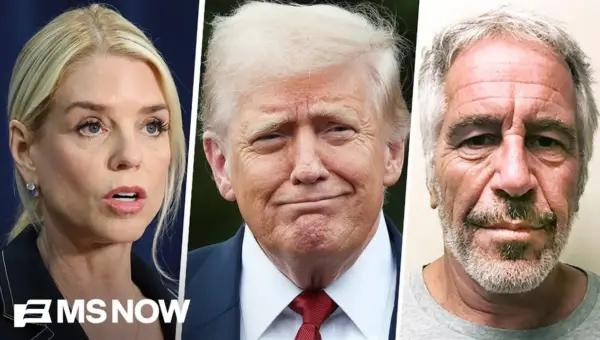
Pam Bondi's dismissal as Attorney General by Donald Trump was reportedly a "dramatic showdown," not a quiet transition. Accusations of an "unforgivable offense" and alleged interference in the Epstein files controversy fueled the conflict. The incident highlights a pattern of demanding loyalty and then discarding allies when they are no longer useful.
Trump Ousts Bondi Amid Epstein Probe, Congress Demands Answers
Congressman Seth Moulton claims President Trump removed Pam Bondi from her position due to her impending deposition in the Jeffrey Epstein case. The conversation also addressed the escalating conflict with Iran, with Moulton criticizing the administration's strategy and calling for transparency.

Russia’s Battlefield Slowdown Signals Shifting War Dynamics
Russia faces mounting pressure on multiple fronts as its military gains in Ukraine stall and its economy strains. Moscow's claims of victory are contradicted by battlefield realities, escalating casualties, and diminishing territorial returns. President Putin's leadership is increasingly isolated both domestically and internationally.