Trump’s Iran Speech: A Public Stumble and Market Jitters
Donald Trump's recent address on Iran raised more questions than answers, with mixed messages about the situation and a noticeable decline in his delivery. The speech, intended to reassure, instead sparked market worries and renewed concerns about his cognitive state, failing to achieve its stated objectives.

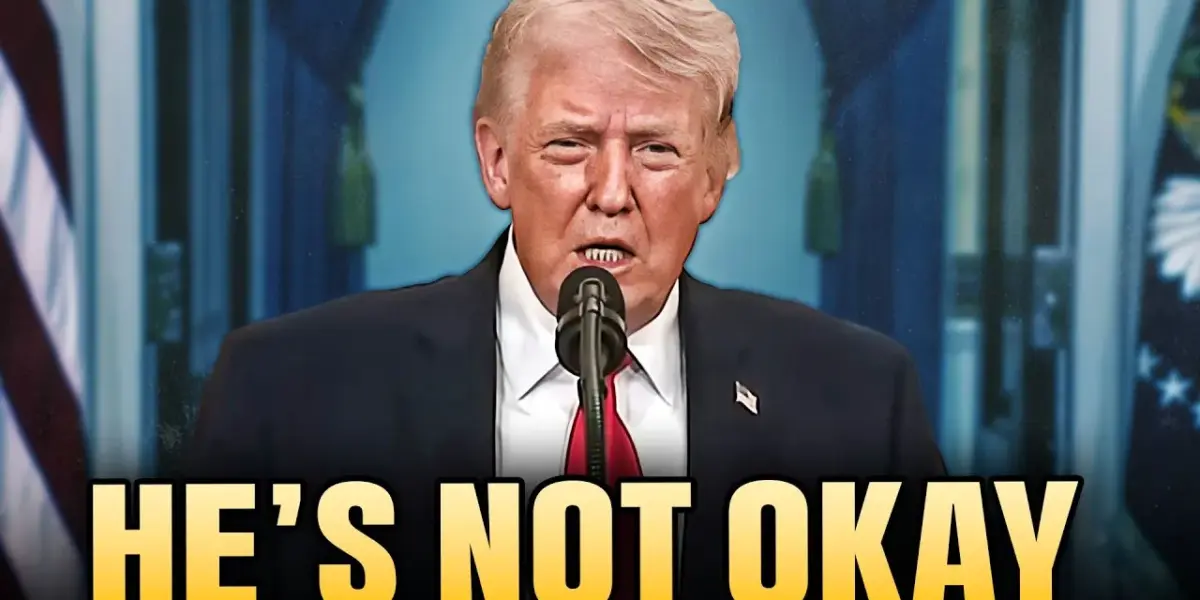
Trump’s Iran Address Sparks Concern and Market Volatility
On a recent Wednesday evening, Donald Trump addressed the nation about the situation in Iran. The speech, intended to reassure the public, instead raised questions and seemed to rattle financial markets. Trump stated that things in Iran were going well and that the U.S. had essentially won. However, he also suggested the operation might continue for a few more weeks, without clearly defined goals or plans. This created a confusing message: claiming victory while still needing more time.
Mixed Messages and Ally Doubts
The address also touched on international relations, with Trump expressing dissatisfaction with U.S. allies and NATO. He described allies as “horrible.” This comes after a period where many have questioned his approach to foreign policy and alliances. The conflicting statements about winning yet needing more time, and the criticism of allies, left many viewers puzzled.
Cognitive Concerns Emerge
Beyond the policy points, the most striking aspect for many observers was Trump’s delivery. He appeared low in energy, leading some to compare his state to being drunk. The term “sundowning,” which describes a state of confusion and disorientation that can occur in the late afternoon or evening, was used by critics to describe his presentation. This led to significant discussion on social media and among former allies about his cognitive state. Some, like Alex Jones, publicly stated that Trump looked unwell and that something seemed wrong. The decision to put him on live television at that hour was questioned, with some suggesting the person who approved it should have been fired.
“We watched a man sundowning in real time.”
Market Reaction Contrasts with Intent
The speech aimed to calm markets, particularly regarding oil prices. Trump likely hoped to assure Americans that the situation was under control and that economic stability would follow. However, the opposite happened. During his address, the price of a barrel of oil continued to rise. This mirrors scenes from the movie “Fun with Dick and Jane,” where a character’s reassurances about a company’s success are directly contradicted by a falling stock price. In this case, Trump’s words about the situation in Iran did not lead to lower oil prices; they seemed to contribute to their increase.
Failed Objectives and a Pattern of Setbacks
Ultimately, the speech failed to achieve its apparent goals. It did not reassure Americans about the Iran situation, did not soothe oil prices, and, for critics, did not dispel concerns about his cognitive abilities. This pattern of outcomes, where intended results are not met, has been a recurring theme. Even in his business dealings, Trump has faced setbacks, such as being prevented from building a ballroom due to a court ruling. Critics argue that, apart from potential electoral success, many of his ventures and initiatives have not succeeded.
Why This Matters
This event highlights several important issues. Firstly, the clarity and effectiveness of presidential communication are crucial, especially during times of international tension and economic uncertainty. Mixed messages can lead to confusion and anxiety among the public and investors. Secondly, the concerns raised about Trump’s cognitive state, whether valid or not, are significant because they affect perceptions of his fitness for office. Such discussions can influence public opinion and political discourse. Finally, the market’s reaction underscores the delicate balance of economic confidence and how public statements from leaders can impact global markets. The disconnect between Trump’s stated intentions and the market’s response shows how difficult it can be to control narratives and outcomes, especially when underlying issues are complex.
Historical Context and Future Outlook
Throughout history, leaders’ public addresses have often been pivotal moments. The way a leader communicates can shape public perception, influence policy, and affect national and international stability. In the digital age, these moments are amplified through social media, leading to rapid and widespread commentary. For Trump, this speech adds to a long record of controversial statements and events that have defined his public image. Looking ahead, the effectiveness of his communication and the public’s trust in his judgment will likely continue to be central themes in political discussions. His ability to connect with voters and convince them of his leadership capabilities, despite these challenges, remains a key factor in his political future.
Implications and Trends
The incident suggests a continuing trend of political communication being scrutinized not just for its policy content but also for the perceived well-being of the speaker. This puts immense pressure on political figures and their communication teams. It also reflects a broader societal trend where public figures are constantly under a microscope, with their every word and action dissected online. For voters, discerning fact from opinion and understanding the true impact of such events requires critical thinking. As the political landscape evolves, the way leaders present themselves and their policies will continue to be a critical element in how they are perceived and judged.
Source: Visibly Defeated Trump FACEPLANTS On Live TV (YouTube)

Related Articles

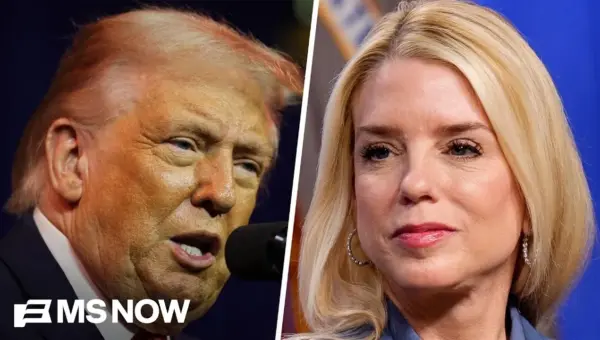
Trump Fires Bondi Amid MAGA Pressure, Ineffectiveness Claims
President Trump has reportedly dismissed Attorney General Pam Bondi amid mounting pressure from the MAGA sphere and criticism over her handling of the Jeffrey Epstein files. Her departure is reportedly due to perceived ineffectiveness rather than disloyalty, highlighting the President's focus on achieving his desired political prosecutions.

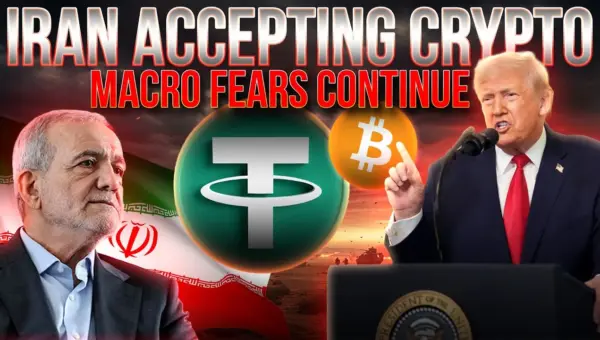
Oil Surges Past $110, Iran Uses Crypto for Trade
Oil prices have surged past $110 a barrel amid rising geopolitical tensions, while Iran is reportedly exploring cryptocurrency and Yuan for oil payments. Increased crypto activity in Iran, driven by both citizens and the IRGC, highlights stablecoins as a safe haven, with a growing diversification into other major digital assets.
US Iran Policy Shifts: Victory Redefined Amidst Empty Claims
US policy towards Iran is constantly shifting, moving away from clear goals like regime change to less defined objectives. Recent claims of destroying Iran's ancient military assets raise questions about actual progress, especially since Iran retains control over the vital Strait of Hormuz. This highlights a need for a more consistent and transparent foreign policy.