Trump’s Iran Speech: A Nation’s Fear, Markets’ Plunge
Donald Trump's recent address on the Iran conflict drew sharp criticism for its content and apparent cognitive decline, leading to a significant surge in oil prices. The speech's inflammatory rhetoric and unclear strategy have raised concerns about U.S. foreign policy and its economic repercussions.

Trump’s Iran Speech: A Nation’s Fear, Markets’ Plunge
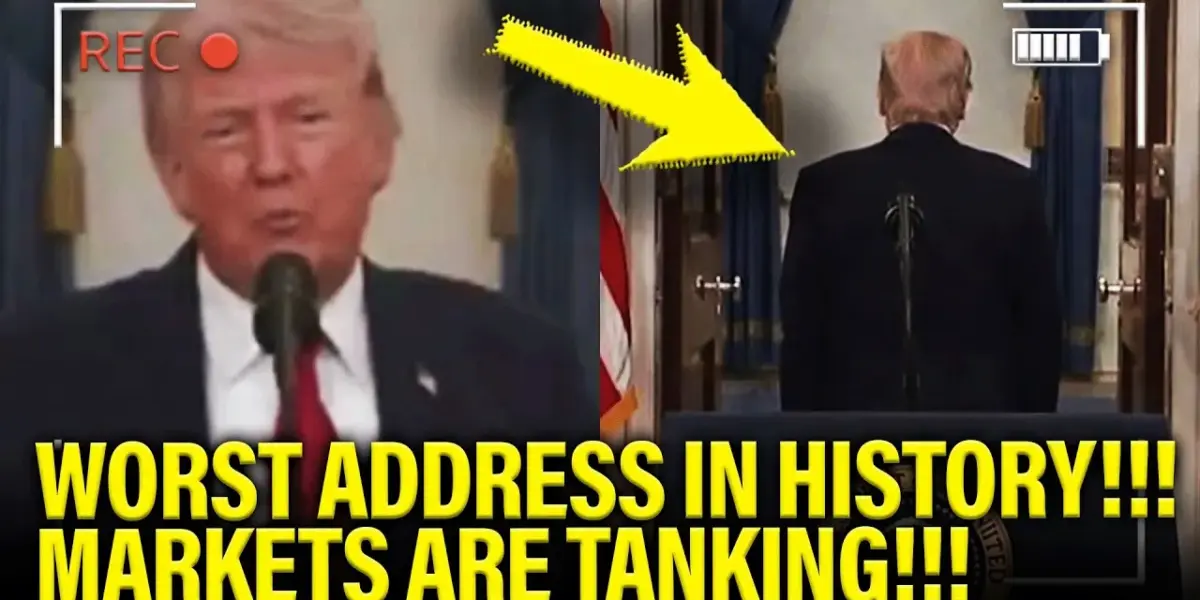
Donald Trump recently delivered an address to the nation concerning the conflict in Iran. This speech, however, has drawn significant criticism for its content and its apparent impact on global markets. Observers noted what they described as a decline in Trump’s energy and coherence during the speech. The markets reacted negatively, with oil prices seeing a sharp increase immediately following the address. This situation raises serious questions about leadership, foreign policy, and economic stability.
The Speech’s Content and Critiques
The core of the criticism centers on specific statements made by Trump regarding potential military actions and his overall approach to international relations. He stated, “We have all the cards. They have none.” This assertion was met with skepticism, especially considering Iran’s control over the Strait of Hormuz, a vital chokepoint for oil transport. The speech also contained remarks about potential military targets, including Iran’s electric generating plants. Critics argue that such statements could be interpreted as threats to attack civilian infrastructure, which might constitute war crimes. Trump also made comments about hitting Iran “so damn hard, we’re going to bring them back to the stone ages where they belong.” This rhetoric was seen by many as inflammatory and counterproductive, potentially providing propaganda material for adversaries.
“The point of Trump’s speech tonight to show the nation how badly he’s deteriorating with more slurred, low energy, incoherent, nonsensical rambling? If so, mission accomplished.” – Ron Philipsky, Editor-in-Chief
Furthermore, Trump’s message to other countries regarding the Strait of Hormuz was also a point of contention. Instead of offering direct support or outlining a clear strategy, he seemed to tell allies, “Get some delayed courage… and go take it yourself. It should be easy, but we ain’t doing it.” This approach was viewed as abandoning allies and shirking responsibility, especially for nations heavily reliant on oil passing through the strait. The speech also touched upon the U.S. energy situation, with Trump claiming America has “so much damn gas.” However, critics pointed out that international oil prices are interconnected and that U.S. prices are affected by global events, regardless of domestic production levels.
Market Reactions and Economic Impact
The immediate aftermath of Trump’s speech saw a significant surge in oil prices. Crude oil prices surpassed $103 per barrel, with Brent crude approaching $106 per barrel. This increase is directly linked to the perceived instability and heightened tensions resulting from the speech. The markets’ negative reaction signals a lack of confidence in the administration’s handling of the situation. Investors often react strongly to geopolitical uncertainty, and the inflammatory language and unclear strategy presented in the speech likely contributed to market jitters. This rise in oil prices can have a ripple effect, leading to higher costs for consumers at the pump and potentially fueling inflation.
Historical Context and Background
The current situation echoes past periods of heightened tension between the U.S. and Iran. The United States has a long history of involvement in the Middle East, often centered around securing oil supplies and maintaining regional stability. The Iran nuclear deal, officially known as the Joint Comprehensive Plan of Action (JCPOA), was an international agreement aimed at preventing Iran from developing nuclear weapons. Trump’s decision to withdraw the U.S. from this deal in 2018 and reimpose sanctions was a significant foreign policy move that altered the relationship between the two countries and contributed to the current tensions.
The rhetoric used in the speech also brings to mind past instances where political leaders have employed strong, often aggressive language to address foreign policy challenges. While such language may appeal to certain segments of the population, it can also escalate conflicts and damage diplomatic relationships. The critique that Trump fails to distinguish between the Iranian regime and the Iranian people is also a recurring theme in discussions about foreign policy, highlighting the importance of nuanced approaches in international relations.
Why This Matters
This event underscores the profound connection between a nation’s leadership, its foreign policy decisions, and its economic well-being. The president’s words carry immense weight, influencing not only international perceptions but also the stability of global markets. When a leader’s pronouncements create uncertainty or appear to escalate conflict, the economic consequences can be swift and severe. For the average citizen, this can translate into higher prices for essential goods like gasoline and a general sense of economic insecurity.
Moreover, the speech raises critical questions about the nature of presidential communication and its responsibility. The ability to deliver clear, coherent, and strategically sound messages is paramount, especially during times of international crisis. The criticisms leveled against Trump’s address suggest a failure in this regard, potentially jeopardizing national security and economic interests. The international community’s reaction, described as allies being disgusted and enemies laughing, highlights the damage such communication can inflict on a nation’s standing in the world.
Implications, Trends, and Future Outlook
The long-term implications of this speech are significant. The increased oil prices could exacerbate existing inflationary pressures, impacting households globally. The strained relationship with allies, as suggested by the critique, could weaken international cooperation on critical issues. The perception of American leadership being diminished could embolden adversaries and create further instability in an already volatile region.
Looking ahead, the trend suggests a continued need for clear, consistent, and responsible communication from political leaders regarding foreign policy. The markets will likely remain sensitive to developments in the Middle East and any further statements or actions by the U.S. administration. The effectiveness of future U.S. foreign policy will depend not only on strategic decisions but also on the ability to articulate them in a way that reassures allies, deters adversaries, and maintains economic stability. The incident serves as a stark reminder of how presidential rhetoric can shape global events and impact the lives of millions.
Source: Trump gives DISASTER ADDRESS to NATION on WAR…MARKETS TANK!!! (YouTube)

Related Articles
Iran Controls Strait of Hormuz, Threatens Global Economy
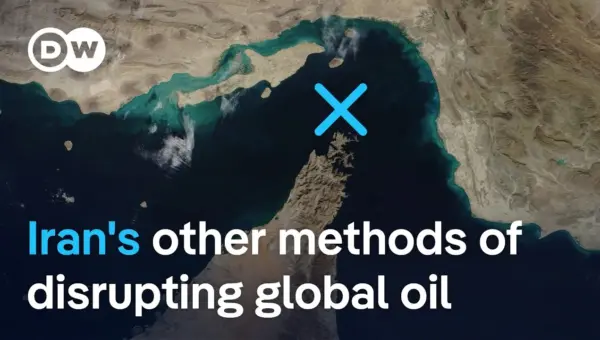
Iran has effectively gained control of the Strait of Hormuz, directing ships through its territorial waters and charging fees, a move that has slowed global shipping to a trickle. This "toll booth" strategy, rather than a full blockade, is causing significant economic disruption and raising concerns about global energy supplies and insurance liabilities.
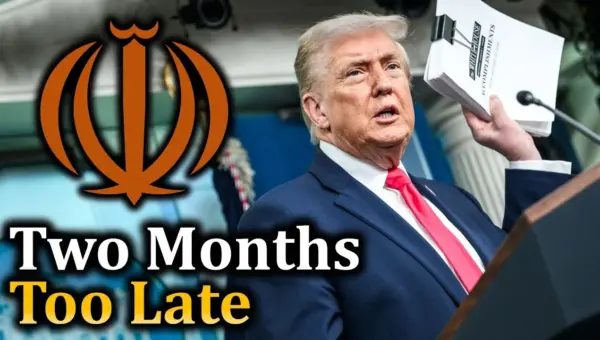
Trump’s Iran War Speech Misses Mark, Creates Chaos
President Trump's primetime address on the Iran War failed to provide clear strategy, instead highlighting domestic political divisions and economic distortions. The war's focus on economic impacts overshadows military realities and affects 2028 presidential prospects like J.D. Vance. Tensions also simmer within NATO.
AG Battles Attorney Over Trump SCOTUS Visit Impact
A Supreme Court case on birthright citizenship is sparking debate. Legal experts clash over former President Trump's attendance at oral arguments and California AG Rob Bonta's criticisms. The ruling, expected by June, could impact immigration policy and labor markets.