Trump’s Iran Remarks: A Risky Game of Words
Donald Trump's recent press conference on Iran was marked by ambiguous language, questionable claims about military success, and controversial assertions regarding weaponry. His remarks raise concerns about the clarity and factual basis of U.S. foreign policy pronouncements.

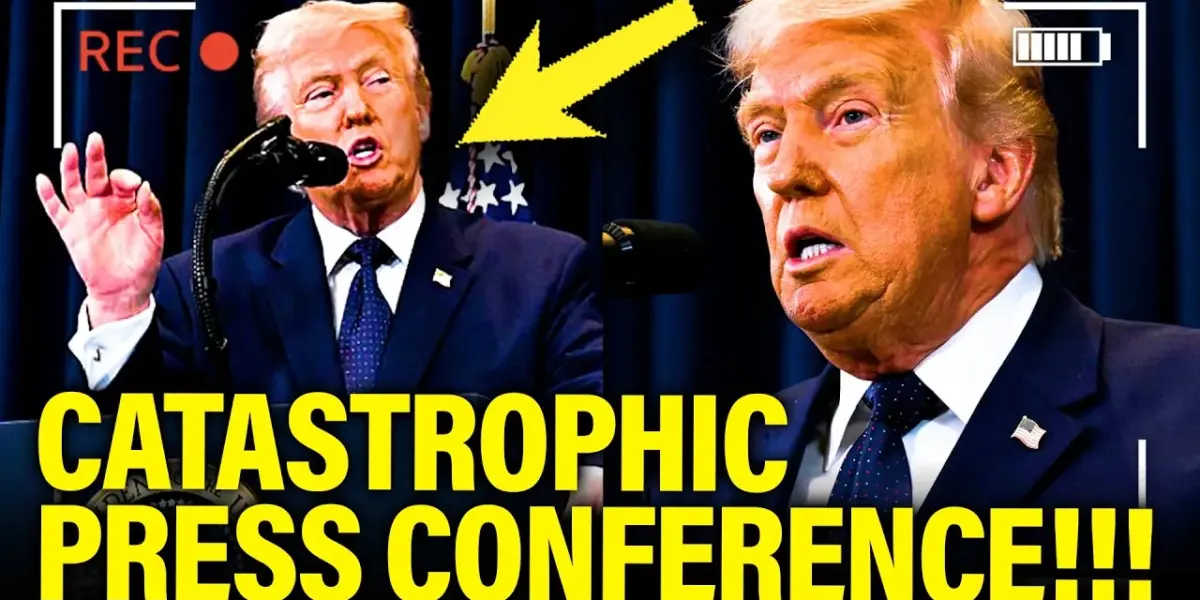
Trump’s Iran Remarks: A Risky Game of Words
In a recent press conference held at his Doral resort, former President Donald Trump made a series of statements regarding the ongoing conflict with Iran that have drawn significant attention and raised concerns. His remarks, characterized by ambiguity, bravado, and questionable factual assertions, paint a complex picture of his approach to international relations and military engagement.
The Ambiguity of “Excursion” and “Soon”
Trump’s characterization of the military action against Iran as an “excursion” rather than a full-scale war, coupled with the assertion that it would be “over soon” but “not sure when,” has created a fog of uncertainty. When pressed by reporters, he reiterated that it would be “very soon,” claiming that “everything they have is gone, including their leadership.” This language, while projecting strength, lacks the clarity typically expected in matters of international conflict, leaving observers to speculate about the scope and duration of U.S. involvement.
A Call with Putin and a Plea for Ukraine
Adding another layer to the discourse, Trump shared details of a recent phone call with Russian President Vladimir Putin. He stated that the call was “positive” and that they discussed Ukraine, noting the “tremendous hatred” between Putin and Ukrainian President Zelenskyy. Trump reportedly urged Putin to help end the Russia-Ukraine war, suggesting this would be more helpful than other actions. This interaction highlights Trump’s continued engagement with global leaders on contentious issues, even as he navigates the complexities of the Iran situation.
Mixed Signals on Support for the Iranian People
Trump’s stance on supporting the Iranian people appeared contradictory. While expressing a desire to help them if they “can behave,” he also described them as “menacing.” He stated, “I’d love to help them, but they have to be in a system that allows them to be helped. And right now, they’re in a system that only allows failure.” He emphasized a need for a system that promotes peace and suggested that if such a system cannot be achieved, “we might as well get it over with right now.” This rhetoric suggests a conditional approach to humanitarian aid, tied to the political structure within Iran.
Questions Surrounding the Tomahawk Missile Assertion
One of the most contentious points of the press conference was Trump’s assertion that Iran used a Tomahawk missile, likely against its own people, specifically referencing a strike on a school. He suggested that Tomahawk missiles are “generic” and sold to other countries, implying Iran could have obtained one. This claim was met with immediate skepticism, as reporters pointed out that only a handful of nations possess these missiles and that Iran does not have the necessary launch capabilities. Even Trump acknowledged he “didn’t know enough about it” and that it was “under investigation,” yet his initial suggestion implied a deliberate falsehood or a significant misunderstanding of the facts, potentially aimed at shaping public perception.
Discussions on Iranian Leadership and Future Scenarios
When questioned about the new Supreme Leader of Iran, Ayatollah Mjaba, Trump expressed disappointment in the choice, believing it would lead to more of the same problems. He avoided directly stating whether the leader should be targeted but suggested he was looking for a leadership change that would bring peace. His comments about preferring “internal and eternal” leadership, drawing a parallel to the situation in Venezuela with a female interim president, further added to the convoluted messaging. He contrasted this with the situation in Iraq, where he claimed a complete overhaul led to the rise of ISIS, suggesting a preference for less disruptive regime changes.
Strategic Motivations and Geopolitical Implications
Trump also posited that the conflict in Iran was, in part, to benefit China by ensuring energy supplies from the Strait of Hormuz. He stated, “We’re really helping China here and other countries because they get a lot of their energy from the straits.” This perspective suggests a transactional view of international conflict, where U.S. military action serves the economic interests of geopolitical rivals. Furthermore, he presented a hypothetical scenario where Iran was preparing to “take over the Middle East” and that hitting them first was necessary to protect U.S. allies.
Market Reactions and Allegations of Manipulation
The press conference coincided with market fluctuations, leading to accusations that Trump’s statements about the war being “almost completely won” were intended to manipulate the stock market. The transcript suggests that while Trump claimed victory, other reports indicated the U.S. was considering ground operations, implying the conflict was far from over. This discrepancy fueled claims of deceptive practices aimed at influencing financial markets.
Why This Matters
Trump’s remarks during this press conference are significant for several reasons. Firstly, they underscore a pattern of communication that prioritizes assertion over accuracy, potentially eroding trust in official statements regarding foreign policy and military actions. Secondly, the ambiguous language surrounding the conflict with Iran creates uncertainty for allies and adversaries alike, potentially leading to miscalculations. Thirdly, the alleged manipulation of market sentiment through public statements raises serious ethical and legal questions. Finally, his approach to international diplomacy, characterized by a blend of transactionalism and unilateralism, continues to shape global perceptions of U.S. foreign policy.
Implications, Trends, and Future Outlook
The statements reflect a broader trend in political communication where definitive claims are made with little substantiation, often amplified by social media. The future outlook for U.S.-Iran relations, as shaped by such rhetoric, remains precarious. The emphasis on decisive, swift action, coupled with a willingness to engage in speculative claims, suggests a foreign policy approach that is both unpredictable and potentially destabilizing. The long-term implications for regional security and global alliances will depend on how these pronouncements translate into actual policy and whether they are met with greater scrutiny and accountability.
Historical Context and Background
The current tensions with Iran have deep historical roots, including the 1953 coup, the 1979 revolution, the Iran hostage crisis, and the ongoing nuclear program disputes. U.S. policy towards Iran has historically oscillated between confrontation and attempts at de-escalation. Trump’s “maximum pressure” campaign, which included withdrawing from the Iran nuclear deal, marked a significant shift towards confrontation. His recent statements can be seen as a continuation of this assertive, albeit often imprecisely articulated, posture. The reference to tomahawk missiles and potential regime change echoes historical U.S. interventions and strategies in the Middle East, underscoring the enduring complexities of the region.
Source: 🚨Trump holds CATASTROPHIC PRESSER on IRAN WAR!! (YouTube)

Related Articles
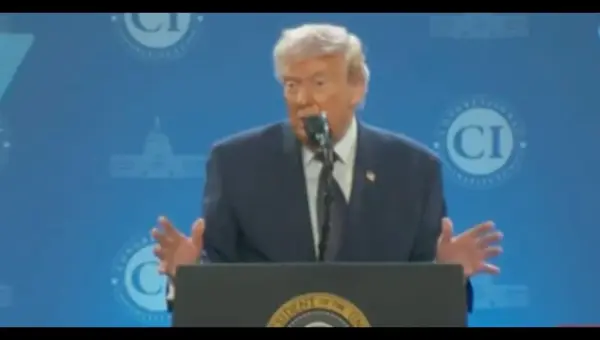
Trump’s Iran War Gambit: A Confused Strategy With Real Consequences
Donald Trump's recent military actions against Iran are mired in contradictory justifications and shifting rationales, raising serious questions about the administration's foreign policy strategy. From claims of an imminent threat to assertions of obliterated capabilities, the messaging is confused, leading to regional instability and economic volatility.

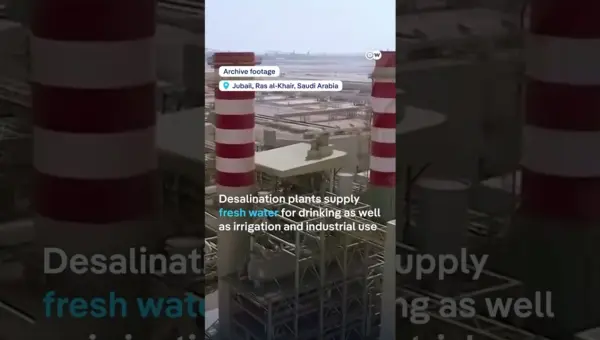
Iran and Bahrain Strike Water Infrastructure, Sparking Regional Fears
Critical desalination plants, the lifeline for most Gulf states' water supply, have reportedly been targeted in the conflict between Iran and Bahrain. This escalation raises fears of a humanitarian crisis and regional instability as water is weaponized.

Carville Slams Trump’s Iran Stance as ‘Surrender,’ Warns of Economic Fallout
Political strategist James Carville sharply criticized President Trump's Iran policy as a "surrender" and warned of economic fallout from rising oil prices. He argued that the conflict's unpopularity and the administration's handling of the economy would significantly impact upcoming elections.