Trump’s Iran Policy: Intelligence Questions and Escalating Mideast Crisis
Intelligence assessments surrounding Iran's nuclear capabilities and the rationale for recent U.S. actions are under intense scrutiny. Amidst escalating attacks in the Middle East and threats to global energy infrastructure, experts question the Trump administration's strategy and its grounding in factual intelligence. The unfolding crisis carries significant geopolitical and economic risks.


Intelligence Under Fire: Imminent Threat Questioned
Director of National Intelligence, Tulsi Gabbard, faced pointed questions from senators regarding the intelligence assessments presented to Congress about global threats, particularly concerning Iran. During a worldwide threats hearing, the intelligence community’s assessment was that the Iranian regime, while intact, has been significantly degraded by attacks on its leadership and military capabilities. However, when pressed on whether there was an ‘imminent nuclear threat’ posed by Iran, Gabbard stated that only the President could determine this, a response that drew criticism for aligning with the ‘unitary executive’ theory.
This approach, where expert opinions are seen as potentially undermining the President, has been amplified under President Trump, according to national security experts. The head of the Director of National Intelligence (DNI) is expected to provide objective, independent assessments, not defer final judgment to the President’s personal feelings or political considerations. This departure from post-Watergate norms, where professional intelligence officers offer their best advice, was described as a significant concern.
Conflicting Assessments on Iran’s Nuclear Program
Further compounding the confusion, Gabbard’s testimony suggested that Iran’s nuclear enrichment program had been ‘obliterated’ and that there had been no efforts to rebuild its capabilities. This contradicts the stated reasons for recent military actions, which included depleting Iran’s nuclear capabilities and retrieving enriched uranium. The intelligence community’s assessment that the Iranian regime remains ‘intact’ but ‘degraded’ presents a complex picture, especially when weighed against the rationale for escalating conflict.
Joe Kent, former Director of the National Counterterrorism Center who resigned over the conflict, stated that the U.S. has no intelligence indicating Iran was developing a nuclear weapon. This lack of clear, consistent intelligence has fueled concerns that the administration’s actions may not be grounded in factual assessments, but rather in political objectives or a desire for unilateral action.
Escalation in the Middle East and Economic Fallout
The situation in the Middle East has rapidly intensified. In a matter of days, Israel has targeted key Iranian figures, including its intelligence minister, its head of the security council, and a prominent militia commander. These strikes followed an attack on Iran’s largest gas field, a move described as the first targeted strike on Iran’s fossil fuel production. In retaliation, Iran has threatened to attack energy infrastructure across the Gulf.
The conflict has direct implications for global energy supplies. Iran’s threats to attack energy infrastructure and potential blockades of the Strait of Hormuz could severely disrupt oil and natural gas flows. This has already led to Saudi Arabia dropping its oil output by 20 percent, as storage facilities and tanker space become limited. While some administration officials have downplayed economic impacts, the S&P 500 has seen a decline, and consumers are facing rising energy prices.
Trump Administration’s Strategy Under Scrutiny
Critics argue that the Trump administration lacks a coherent strategy for Iran, with stated goals shifting from regime change to depleting nuclear capabilities to retrieving uranium. The decision to launch military actions appears to have been driven by a narrow window of opportunity presented by Israel, rather than a comprehensive plan informed by deep expertise on the region.
The administration’s approach is characterized by a reliance on unilateral action and a disregard for expert advice, leading to what some describe as a ‘profoundly boxed in’ position. The Pentagon is reportedly seeking over $200 billion for operations, a request that is likely to face significant challenges in Congress. The escalating conflict carries immense risks, including potential loss of American lives, geopolitical upheaval, and long-term economic consequences that could impact the U.S. reputation globally.
Looking Ahead: Unpredictable Consequences
As the situation unfolds, the lack of clear strategy and reliance on unverified intelligence present a dangerous scenario. The administration faces a critical juncture, with limited options to de-escalate the crisis without admitting failure. The coming weeks will likely see increased economic turmoil and unpredictable events, testing the resilience of both regional stability and the U.S. economy. The long-term implications of these actions, particularly on the geopolitical map of the Middle East, remain uncertain.
Source: 'Profoundly boxed in': Trump STUCK without any good options in Iran? (YouTube)

Related Articles

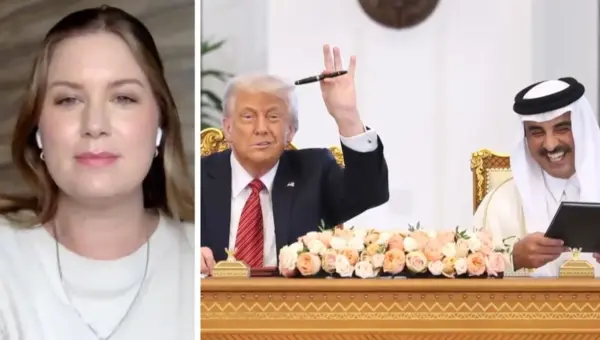
Gulf States Demand Seat at Table on Iran’s Nuclear Future
Gulf states are demanding a seat at the table for any U.S.-Iran talks regarding Iran's nuclear future. This move reflects a growing assertiveness and a desire to shape regional security directly. It signals a potential shift towards more inclusive diplomatic efforts in the Middle East.

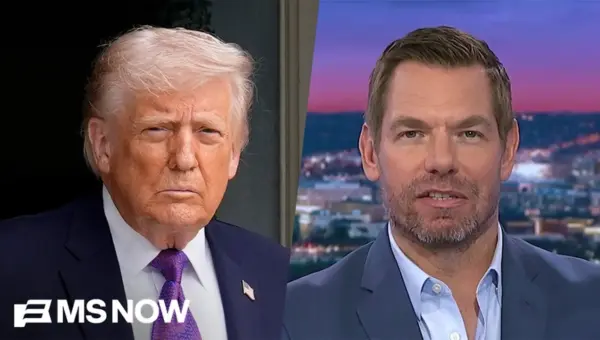
Trump’s Iran War Plans Criticized Amid Border Funding Standoff
Lawmakers and analysts are criticizing the Trump administration's handling of the Iran conflict and its approach to border funding, arguing that a lack of clear planning and a focus on political battles are making the U.S. less safe. Concerns are particularly high regarding the FBI's priorities and the potential impact of these issues on national security.
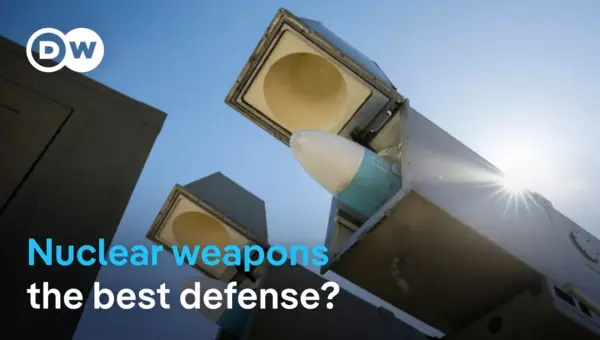
Iran War Sparks Nuclear Fears: Is a Global Arms Race Brewing?
The conflict in Iran has heightened global fears of nuclear proliferation and a potential arms race. Experts warn that Iran may pursue nuclear weapons if its current deterrence fails, while historical examples show the dangers of unchecked nuclear ambitions. The world faces uncertain scenarios, ranging from renewed diplomatic efforts to a dangerous escalation of nuclear threats.