Trump’s Iran Policy Fuels Public Disapproval, Experts Warn
Experts are warning that the Trump administration's approach to Iran, characterized by controversial rhetoric and unclear policies, is damaging its public image and potentially endangering U.S. service members. Critics argue that "vice signaling" and aggressive posturing are creating a toxic military culture and that political inaction in Congress stems from fear of primary challenges.

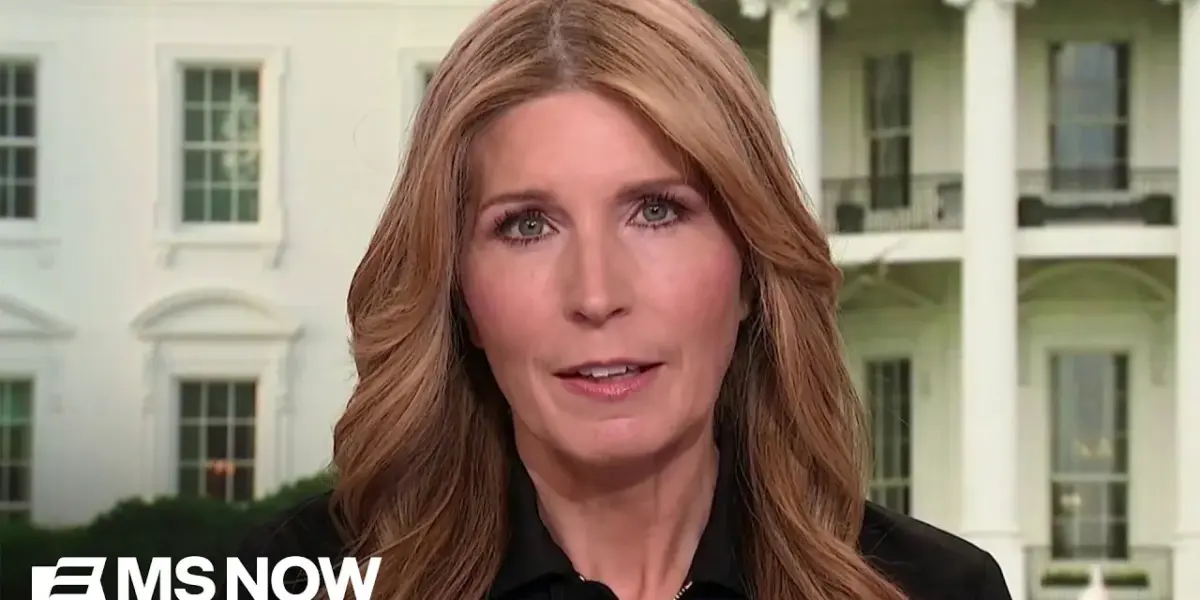
Trump Administration’s Actions Under Fire Amidst Iran Tensions
Recent actions by the Trump administration regarding Iran have drawn sharp criticism from political commentators and defense experts, who argue that the president’s rhetoric and policy decisions are not only reckless but also tanking his public approval. The situation has raised serious concerns about the stability of U.S. foreign policy and the well-being of American service members.
“Vice Signaling” and its Impact on Military Culture
According to insights from The Atlantic, the Trump administration has employed what is called “vice signaling.” This involves making offensive or controversial statements, not just to grab attention, but also to showcase perceived transgressive political views. This practice, widely seen within the administration, encourages subordinates to mimic the president’s aggressive and often indecent behavior.
“Vice signaling is rampant throughout the Trump administration because the president’s appointees know that the boss likes underlings who emulate his aggressive indecency.”
– Nicolle Wallace (paraphrased from transcript)
When leaders in the defense department engage in such behavior, it reportedly contaminates the broader military culture. Experts warn this sends a message to young service members, particularly men, that racism, sexism, and displays of aggressive masculinity are signs of a true warrior. This is considered especially alarming given the current military posture concerning Iran.
Concerns Over Escalation and Lack of Clear Policy
The decision to potentially engage in conflict with Iran, described as being “for no reason other than, you know, the glory of Donald Trump,” has been met with significant alarm. Commentators express worry that the administration, having stumbled into a potential war, seems unable to find a way out.
There are deep concerns about the president’s decision-making process. One expert stated the president is an “emotionally unstable and cognitively impaired person,” leading to a situation where U.S. policy can change unpredictably from one moment to the next. It’s suggested that even those within the government may not fully grasp the current policy direction.
Furthermore, public statements from figures like Pete Hegseth, who allegedly prayed for “overwhelming violence and no mercy,” are criticized as immature “chest-thumping.” This type of rhetoric is seen as juvenile and unbecoming of serious military leadership, especially when dealing with a nation of 90 million people.
Hegseth’s Controversial Tenure and Military Leadership
Pete Hegseth’s actions have also come under scrutiny. Reports suggest he engaged in practices such as blocking promotions for two women and two Black officers. His public comments on women in combat and attempts to remove them from senior ranks are viewed as part of a pattern of childish behavior.
This behavior, combined with his rhetoric on war, reportedly sends a damaging message to the armed forces. It suggests that military engagement is not a serious undertaking and that sexist, racist, and misogynistic attitudes are acceptable. This is seen as deeply concerning for the families of those serving, who entrust their loved ones to leaders perceived as acting immaturely during a critical geopolitical moment.
Congressional Inaction and Political Calculations
A key question raised is why members of Congress, who reportedly understand these issues, are not taking action. The explanation offered points to political self-preservation. Many Republican members of Congress prioritize maintaining their positions, enjoying the perks of Washington life, and avoiding the risk of facing primary challenges.
Opposing President Trump or his allies, even on critical matters of national security, could lead to a difficult primary election. Such elections often have low turnout, making them susceptible to influence by a vocal and sometimes extreme segment of the electorate. This fear of being “primaried” leads many elected officials to remain silent and hope the controversy passes.
“They would rather keep their jobs and not get primaried, then speak up and point out that the people that are putting our children in danger, our young men and women in danger, don’t know what the hell they’re doing.”
– Nicolle Wallace (paraphrased from transcript)
This strategy of staying quiet is described as cowardly, shallow, and venal. It prioritizes job security over speaking truth to power and protecting the nation’s service members.
Public Opinion and Political Risk
The move to send troops into Iran, or the current operations there, reportedly has a very low public approval rating, estimated at around 8%. This suggests that the administration’s actions are not a popular political stance, despite what some may believe.
Experts argue that hitching one’s political wagon to such unpopular policies is a risky strategy. In primary elections, even a small increase in voter turnout against an incumbent can be devastating. This is particularly true when the president himself can mobilize a segment of the electorate to oppose specific candidates.
The political calculations suggest that elected officials are concerned about facing primary challenges from candidates who are more aligned with the president or more extreme in their views. This dynamic creates a reluctance to break ranks, even when presented with evidence of poor judgment or dangerous policies.
Looking Ahead
As tensions with Iran remain a significant geopolitical issue, the public’s perception of the administration’s handling of the situation will likely continue to be a key factor. The willingness of political leaders to prioritize national security and responsible governance over political expediency will be closely watched. The long-term consequences of current policies and the rhetoric surrounding them will undoubtedly shape future foreign policy decisions and public trust.
Source: ‘Not the political flex they think it is’: Nicolle Wallace on Trump’s tanking approvals over Iran (YouTube)

Related Articles

President Trump Discusses Iran, Supreme Court, and Voter ID
President Trump discussed the Iran conflict, asserting the U.S. will leave when Iran is no longer a nuclear threat. He also voiced strong opinions on upcoming Supreme Court arguments regarding birthright citizenship and advocated for stricter voter identification laws, criticizing media coverage of his administration.
Trump’s War Funding Betrays American Needs
Massive war funding is being pushed despite Donald Trump's promises to avoid such conflicts. This comes as Americans face a severe affordability crisis, highlighting a stark choice between funding foreign wars and addressing urgent domestic needs like healthcare and education.
Europe Faces Energy Crisis as Trump Demands Self-Sufficiency
President Trump is pushing European allies to secure their own energy, potentially reshaping global markets. Meanwhile, TSA lines are shortening as agents receive paychecks amid a DHS shutdown, with lawmakers seeking ways to reopen the department.