Trump’s Iran Policy Fuels Global Instability
A heated CNN debate exposed deep divisions over Donald Trump's Iran policy, with arguments centering on global security, economic stability, and the strain on international alliances. Conflicting views emerged on whether Trump's actions made the world safer or more volatile.

Trump’s Iran Policy Fuels Global Instability
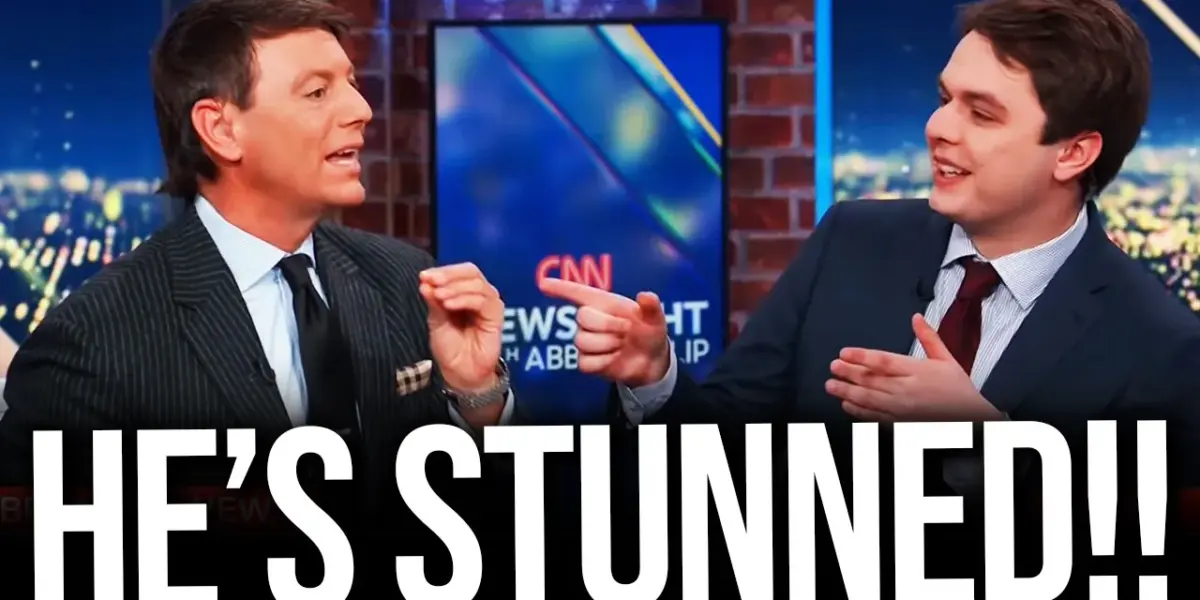
A recent CNN debate highlighted sharp disagreements over former President Donald Trump’s approach to Iran, revealing deep divisions about global security and economic impact. The discussion, featuring figures like Hogan Gidley, a former Trump deputy press secretary, and military veteran Margaret Donovan, painted a picture of conflicting strategies and uncertain outcomes.
Conflicting Views on Security
Gidley argued that Trump’s actions successfully weakened Iran’s military capabilities, destroyed its ballistic missile program, and prevented it from developing nuclear weapons. He asserted that the world is safer with a non-nuclear Iran. “This administration has done things that both Republican and Democrat presidents have talked about for a long time,” Gidley stated, emphasizing Trump’s role in preventing Iran from obtaining a nuclear weapon.
However, Donovan countered that the situation has made the world less safe. She pointed to rising oil and gas prices as evidence of economic instability. “We’re helping our enemies like Russia get more money by lifting sanctions. We’re helping Iran have more money by lifting sanctions,” she argued. Donovan also raised concerns about the potential for unintended consequences, suggesting that a wounded but intact Iranian regime could continue to cause global havoc.
Economic Fallout and Strategic Missteps
The debate touched upon the economic repercussions of the conflict. Critics argued that Trump’s policies, including tariffs and military actions, have hurt the American economy. “Americans are worried about the cost of things that they need to survive,” one participant noted, contrasting this with Trump’s focus on other issues.
Concerns were also raised about the strategy itself. The idea of invading Iran was dismissed as nearly impossible due to the country’s geography, potentially leading to significant troop losses. The alternative, backing off, was seen as resulting in a more radical Iranian regime. The lack of clear communication and a unified strategy was a recurring theme, with questions about who the U.S. could even negotiate with if Iran’s leaders were all gone, as Trump claimed.
NATO and Alliance Strain
A significant portion of the discussion focused on Trump’s relationship with NATO allies. Trump criticized NATO members for not contributing enough to security, particularly regarding the Strait of Hormuz. He called them “cowards” for not helping to keep the vital shipping lane open.
“Without the USA, NATO is a paper tiger. They didn’t want to join the fight to stop a nuclear-powered Iran. He calls them cowards and he says we will remember.”
Critics argued that insulting allies is a sign of weakness, not strength. They questioned why the U.S. would need help if it could handle the situation alone. The fundamental purpose of NATO as a defensive alliance was also brought up, with the point that Article 5 is invoked when a member is attacked, not when a member initiates an attack.
Historical Context and Future Outlook
The conversation often referred to past conflicts and their outcomes. Comparisons were made to the Iraq War, with concerns about mission creep and the potential for prolonged engagements. The idea that Iran has been a threat for 47 years was acknowledged, but the question remained whether the current actions were the best way to address it.
The future outlook remained uncertain. Some believed that Trump’s actions would lead to a more radical Iran, while others hoped for the eventual dismantling of the current regime. The potential for a new world order emerging from this conflict was also mentioned, highlighting the profound and lasting impact of these decisions.
Why This Matters
The debate underscores the complex challenges of foreign policy and the significant consequences of decisions made on the global stage. The differing perspectives highlight the tension between perceived national security interests and broader economic and diplomatic considerations. The strain on international alliances and the potential for escalating conflicts are critical issues that will shape future global dynamics.
Implications and Trends
The discussion reveals a trend towards more assertive, unilateral foreign policy approaches, often clashing with traditional diplomatic methods and alliance structures. The economic impact of geopolitical instability, particularly on energy prices, remains a significant concern for populations worldwide. The effectiveness of military action versus diplomatic solutions continues to be a central debate.
Future Outlook
The future trajectory of U.S.-Iran relations, the stability of the Middle East, and the strength of international alliances all hang in the balance. The way these complex issues are managed will not only determine regional security but also have far-reaching implications for the global economy and international cooperation.
Source: I WIPED OUT a Trump Official LIVE ON CNN (YouTube)

Related Articles
Trump’s “Walk Away” Tactic Signals Tougher Stance on China
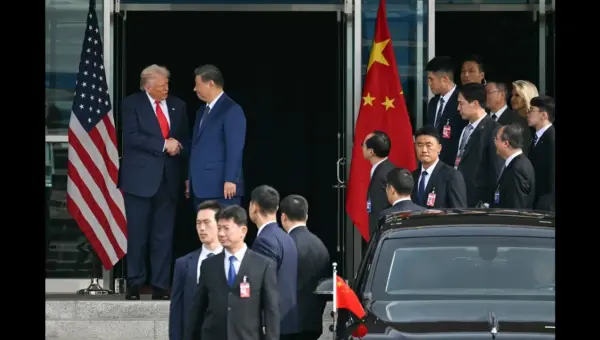
Retired Air Force Brigadier General David Stillwell believes President Trump's strategy of being willing to walk away from negotiations puts pressure on China. This tactic, combined with US global actions and strengthened alliances, signals a more assertive American foreign policy.

Trump’s War Talk Stuns Financial Crowd
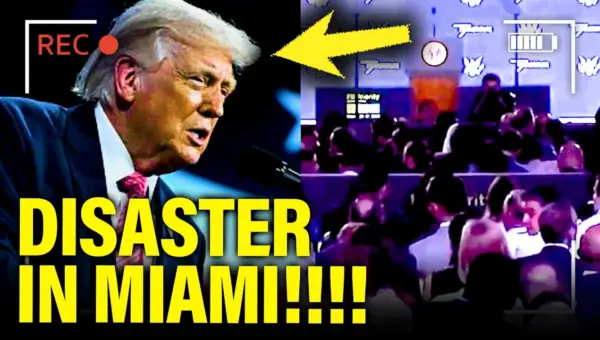
Donald Trump's recent speech in Miami focused on his foreign policy, particularly his critical views on NATO and his vision for international relations. He declared the U.S. would no longer defend NATO allies, questioned the value of existing alliances, and suggested renaming the Strait of Hormuz. The speech also touched on his personal views of success, his allies, and his perceived role as a global peacemaker.
Trump’s Warpath: New Threats Signal Imperial Ambitions
Recent statements from Donald Trump reveal a potential embrace of increased military action and interventionist foreign policy. This approach, characterized by critics as "imperialism 2.0," contrasts with his past promises of peace and has even drawn criticism from parts of his own base. The implications for U.S. global engagement and domestic priorities are significant.