Trump’s Iran Policy: From ‘Never Again’ to Regional War
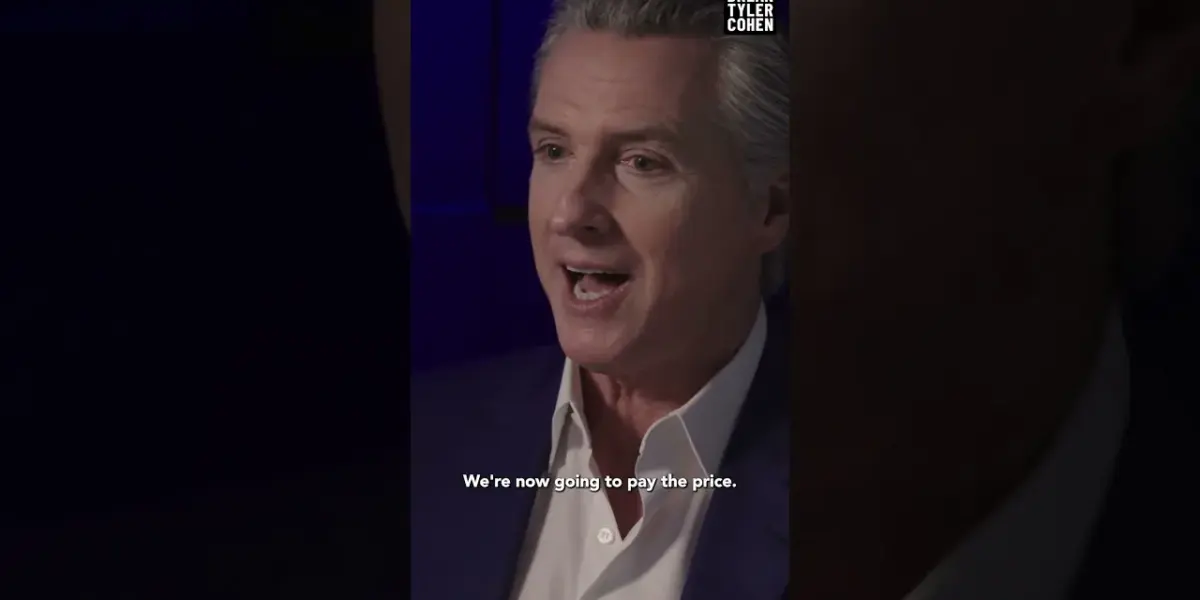
Governor Gavin Newsom criticizes former President Trump's "cluelessness" on Iran, highlighting a pattern of inconsistent rhetoric and actions that have led to regional war, economic instability, and human cost. The shifting justifications for escalation underscore a lack of strategic clarity with profound global implications.

Trump’s Iran Policy: From ‘Never Again’ to Regional War
The recent escalation of tensions in the Middle East, leading to a regional war and impacting global oil prices, has brought into sharp focus the erratic and seemingly contradictory foreign policy decisions emanating from the Trump administration. Governor Gavin Newsom, in a pointed critique, has slammed former President Trump’s “cluelessness” regarding Iran, highlighting a pattern of inconsistent rhetoric and actions that have, according to critics, directly contributed to the current volatile situation.
A Pattern of Inconsistency
The core of the criticism leveled against Trump’s approach to Iran, as articulated in recent commentary, is a profound lack of a coherent and stable strategy. This inconsistency is not merely a matter of shifting political winds but a fundamental disconnect between stated intentions and actual outcomes. The transcript points to Trump’s repeated assertions that he would “never do something like this,” referring to specific escalatory actions, only to seemingly contradict those very promises. This pattern of behavior is not isolated; figures associated with the MAGA movement, including JD Vance and others, are also cited as exhibiting similar tendencies to deviate from prior declarations.
This perceived “lying” or “inconsistency” is presented not just as a political tactic but as a dangerous flaw in foreign policy decision-making, especially when dealing with a region as complex and combustible as the Middle East. The consequences, as outlined, are dire: a full-blown regional war, attacks on Gulf States and allies, skyrocketing oil prices, and significant market volatility. The Strait of Hormuz, a critical chokepoint for global oil transport, faces reduced activity, further exacerbating economic fears.
Shifting Rationales for Escalation
A key element of the critique revolves around the administration’s inability to articulate a consistent rationale for its actions concerning Iran. When confronted with the escalation, the explanations provided appear to shift and morph, leaving observers struggling to identify a stable strategic objective. Initially, the justification might be the absence of an “imminent threat.” However, this is quickly replaced by claims that there *was* an imminent threat, or that such a threat was inevitable because Israel was “going to go anyway,” a statement attributed to Senator Marco Rubio.
The narrative then pivots again, suggesting the actions were about Iran’s nuclear program. Yet, this rationale is undermined by previous statements that the program had been “obliterated.” Subsequently, the focus shifts to Iran’s missile program, then to its proxies and militias, and finally to its navy. This “shapeshifting” of justifications suggests not a deliberate, well-thought-out strategy, but rather a reactive and improvisational approach that lacks a foundational understanding of the geopolitical landscape.
The Human and Economic Cost
The human toll of this policy has been significant, with the transcript noting the loss of six members of the military and the grim likelihood of further casualties. Beyond the immediate military impact, the economic repercussions are being felt globally. Rising oil prices and market instability are direct consequences that ordinary citizens will bear. The disruption to vital trade routes, such as the Strait of Hormuz, poses a long-term threat to global economic stability.
Historical Context: A Volatile Relationship
The relationship between the United States and Iran has been fraught with tension since the 1979 Islamic Revolution. Decades of diplomatic standoffs, economic sanctions, and proxy conflicts have characterized this adversarial dynamic. The Trump administration’s “maximum pressure” campaign, which included withdrawing from the Joint Comprehensive Plan of Action (JCPOA) – the Iran nuclear deal – and reimposing stringent sanctions, was a significant departure from the Obama administration’s approach. While proponents argued this would curb Iran’s destabilizing activities, critics warned of the potential for unintended escalation and increased regional instability. The current situation can be seen as a culmination of these long-standing tensions, amplified by a more unpredictable and transactional foreign policy approach.
Why This Matters
The “cluelessness” and “inconsistency” in foreign policy, as described, have profound implications. It suggests a lack of strategic foresight and a failure to grasp the complex web of regional dynamics. When major global powers engage in actions without a clear, consistent, and well-communicated rationale, the risk of miscalculation and unintended consequences increases exponentially. This not only endangers military personnel and destabilizes regions but also inflicts economic hardship on a global scale. The current crisis underscores the critical need for stable, predictable, and strategically grounded foreign policy, particularly in matters of national security and international relations.
Implications, Trends, and Future Outlook
The current situation highlights a broader trend of increasing global instability, partly fueled by shifts in the international order and the foreign policy approaches of major powers. The reliance on shifting justifications for military actions raises concerns about transparency and accountability. Looking ahead, the path forward will likely involve navigating a minefield of potential escalations, economic repercussions, and diplomatic challenges. The effectiveness of future policy will depend on a return to strategic clarity, a deeper understanding of regional actors and motivations, and a commitment to consistent, principled engagement rather than reactive improvisation. The long-term outlook for regional stability and global economic security remains precarious, contingent on the ability of leaders to move beyond inconsistency and toward a more predictable and responsible foreign policy framework.
Source: Newsom SLAMS Trump’s “cluenessness” on Iran (YouTube)

Related Articles
Trump Predicts Cuba’s Fall, Hints at Rubio’s Role
President Donald Trump has predicted the imminent collapse of the Cuban government, stating "Cuba is gonna fall pretty soon." He also hinted at a potential role for Secretary of State Marco Rubio in assessing the situation.
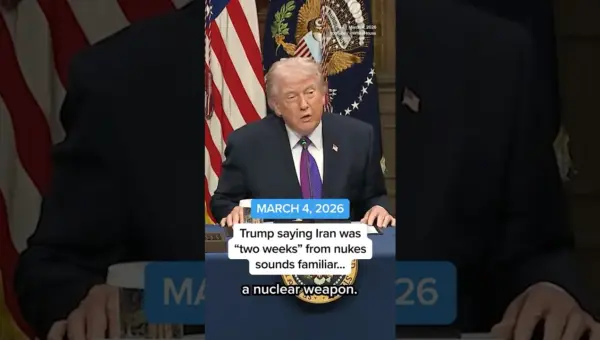
Trump’s Iran Nuclear Claims Echo Past Warnings
Former President Donald Trump has reiterated his claim that Iran was "two weeks" from nuclear weapons during his tenure. This assertion revisits the contentious period surrounding the U.S. withdrawal from the JCPOA and highlights ongoing debates about Iran's nuclear progress and the effectiveness of international diplomacy.
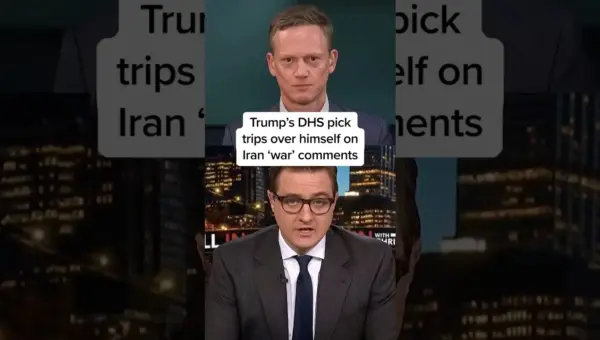
Trump DHS Pick Stumbles on Iran War Stance
Senator Markwayne Mullin, a potential DHS pick for Donald Trump, is facing scrutiny over his inconsistent statements regarding a possible war with Iran. Analysts highlight his verbal gymnastics in interviews, raising concerns about his readiness for a key national security role.