Trump’s Iran Policy Faces Fierce Opposition at Home
President Trump's Iran strategy is facing significant criticism from domestic political opponents and some European allies. This division complicates U.S. foreign policy goals and raises concerns about national unity amid geopolitical tensions. Investors should monitor oil markets and geopolitical developments closely.

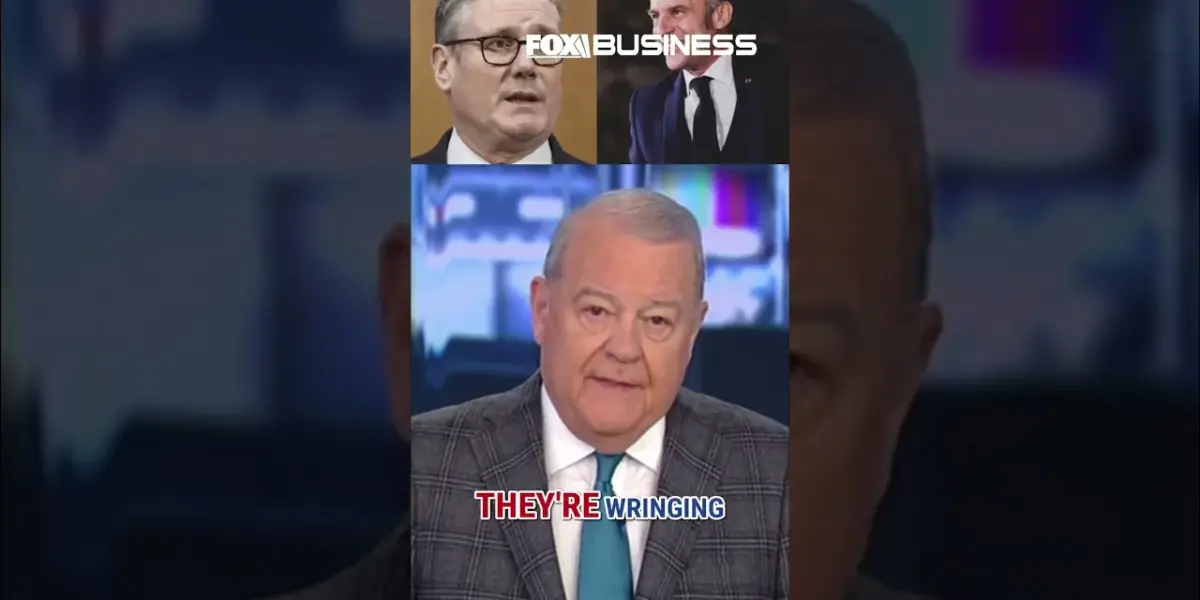
Trump’s Iran Strategy Meets Domestic Criticism Amid Global Tensions
President Trump’s efforts to counter Iran’s nuclear ambitions and influence are facing significant pushback, not just from Tehran, but also from within the United States and among some European allies. This opposition, fueled by partisan divides and differing foreign policy approaches, complicates the administration’s goals and raises questions about national unity during critical geopolitical moments.
Domestic Division Hinders Unity
The White House has framed President Trump’s actions regarding Iran as a “great historic shift” aimed at ending the nuclear threat posed by what it describes as “maniacal Müllers.” This objective, the administration argues, should be a rallying point for national unity. However, a vocal segment of political opponents, referred to as the “hate Trump brigade,” has shown little willingness to support the president’s initiatives.
Following the outbreak of conflict, House Minority Leader Hakeem Jeffries predicted failure for the U.S. effort just two days after it began on March 2nd. Other Democratic leaders have echoed this sentiment. Senator Schumer, for instance, labeled the military action an “illegal war of choice.” Adding to the division, 53 congressional Democrats reportedly declined to condemn Iran as the world’s leading state sponsor of terrorism, a stance that critics suggest reveals their underlying allegiances.
Media Portrayal Adds to Criticism
The media landscape, particularly outlets like The New York Times, has been a consistent source of criticism regarding the administration’s Iran policy. Articles frequently focus on negative aspects of the conflict, offering little positive coverage of the president’s actions, even when they aim to end what is described as a brutal regime. This relentless negative framing, according to the administration, creates a discouraging backdrop for national efforts abroad.
European Allies Hesitate on Action
Beyond domestic challenges, European allies are also demonstrating a reluctance to fully support U.S. objectives in Iran. Instead of offering proactive assistance or joining offensive measures, many European nations are reportedly “ringing their hands” and advocating for prolonged diplomatic engagement. This preference for “endless diplomacy,” even when faced with what are described as Iranian deceptions during negotiations, highlights a fundamental difference in approach.
One explanation for this European caution lies in the presence of large Muslim minority populations within these countries. These communities, it is suggested, may oppose any military action against a Muslim-majority state. The article posits that America is beginning to face similar internal pressures, with media and left-leaning groups creating a negative environment for national foreign policy initiatives.
Market Impact
The persistent division and criticism surrounding U.S. foreign policy in Iran could have several implications for markets. Geopolitical instability often leads to increased oil price volatility. If tensions escalate or remain high, crude oil prices could surge, impacting transportation costs, consumer spending, and corporate earnings across various sectors. Investors often seek safe-haven assets like gold during times of uncertainty, potentially driving up its price.
Furthermore, a lack of clear, unified national support for foreign policy actions can create uncertainty for businesses operating internationally. This ambiguity can dampen investment and affect stock market performance, particularly in sectors with significant exposure to the Middle East or global trade. The ongoing debate and criticism, even if framed as democratic discourse, are seen by some as “negative obstructionism” that prioritizes political opposition over national interests.
What Investors Should Know
Investors should monitor the situation in Iran closely, paying attention to developments in oil markets and any shifts in geopolitical rhetoric. The divergence in approach between the U.S. and its European allies suggests potential challenges in forming a cohesive international front, which could prolong instability. While debate is a hallmark of democracy, the focus on “hoping we lose” rather than constructive criticism can create an unpredictable environment.
The administration views the current situation as one where “too many people can’t see past their own Trump hatred.” This suggests a belief that partisan animosity is overriding rational foreign policy considerations. For investors, this internal division underscores the importance of diversifying portfolios and remaining aware of how political developments can influence global markets and specific industries. The long-term implications may involve a reevaluation of alliances and a more complex global risk landscape.
Source: Stuart Varney: There are far too many people who want America to lose in Iran #shorts #us #iran (YouTube)

Related Articles

Iran War Escalates, Allies Join Fight for Strait of Hormuz
The conflict in the Middle East intensifies as Iran faces expanded strikes from Israel and retaliatory attacks across the region. The U.S. deploys thousands more troops and offers a 15-point deal, while the Houthis of Yemen join the fray with a missile attack on Israel. Allies are preparing to help secure the vital Strait of Hormuz.

Trump’s ‘Loser’ Comments Reveal Deep Insecurity, Risky Foreign Policy
Donald Trump's controversial "loser" comment reveals a deep insecurity driving his foreign policy, leading to poorly planned actions like the escalating Iran crisis. This pattern of surrounding himself with less capable individuals, rather than challenging experts, poses significant risks for international stability and suggests a dangerous approach to critical global decisions.

Iran Escalates Global Conflict, Threatens World Economy
Yemen's Houthi rebels have officially joined the conflict, launching ballistic missiles at Israel and escalating regional tensions. This move threatens vital shipping lanes like the Red Sea's Bab al-Mandab strait, potentially causing catastrophic economic consequences. Meanwhile, US soldiers have been injured in Iranian missile strikes, adding to the mounting human and financial costs of the escalating war.