Trump’s Iran Policy Backfires, Alienating Gen Z Voters
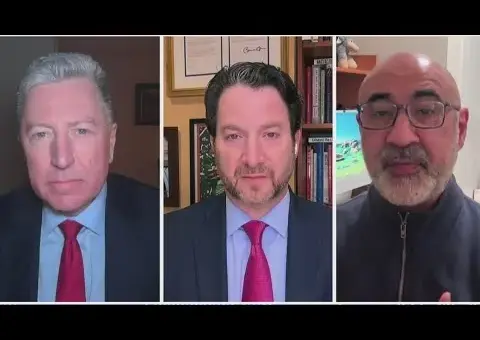
Adam Mockler and Don Lemon discuss how former President Trump's 'maximum pressure' policy on Iran may have backfired by alienating Generation Z. The economic sanctions' impact on Iranian civilians has fostered a perception of aggression and insensitivity among young voters, potentially shaping future political landscapes.


Trump’s Iran Policy Backfires, Alienating Gen Z Voters
The geopolitical landscape surrounding Iran has long been a complex tapestry of diplomacy, conflict, and shifting alliances. In recent years, the Trump administration’s assertive stance, particularly its withdrawal from the Joint Comprehensive Plan of Action (JCPOA) and subsequent imposition of sanctions, has had far-reaching consequences. A recent discussion involving Adam Mockler and Don Lemon on The Don Lemon Show sheds light on a critical, and perhaps unintended, outcome of this policy: its significant impact on Generation Z.
The Strategic Gamble and Its Unforeseen Fallout
The Trump administration’s approach to Iran was characterized by a desire to renegotiate what it deemed a flawed nuclear deal. This involved a strategy of ‘maximum pressure,’ aimed at compelling Iran to agree to a new, more stringent accord. The withdrawal from the JCPOA in May 2018 was a pivotal moment, signaling a departure from the Obama-era diplomatic engagement. This move was met with international skepticism and concern, particularly from European allies who remained committed to the deal.
The economic sanctions that followed were designed to cripple Iran’s economy, thereby limiting its ability to fund its nuclear program and regional activities. While the exact effectiveness of these sanctions in achieving their stated goals remains a subject of debate among foreign policy experts, their impact on the Iranian population has been undeniable. The sanctions have contributed to a severe economic downturn, leading to inflation, currency devaluation, and scarcity of essential goods.
Gen Z’s Emerging Perspective on Foreign Policy
Generation Z, broadly defined as those born between the mid-1990s and early 2010s, is coming of age in a world shaped by prolonged conflicts, economic instability, and a growing awareness of global interconnectedness through digital media. This generation tends to be more progressive, socially conscious, and skeptical of traditional foreign policy approaches, particularly those involving military intervention or aggressive economic coercion.
The discussion highlighted how the Trump administration’s policies towards Iran, perceived by many as overly aggressive and lacking in diplomatic nuance, have resonated negatively with this demographic. The economic hardship faced by ordinary Iranians, exacerbated by U.S. sanctions, has been visible to Gen Z through global news and social media. This has fostered a sense of empathy and a questioning of the ethical implications of such policies.
The ‘Backfire’ Effect on American Politics
The core argument presented is that Trump’s Iran policy has, in effect, backfired by alienating a growing segment of the American electorate – Gen Z. This generation is becoming increasingly influential in political discourse and future elections. Their concerns often revolve around issues of human rights, international cooperation, and a preference for diplomatic solutions over confrontational ones.
When the Trump administration pursued a policy of ‘maximum pressure,’ the intention was likely to isolate Iran and force concessions. However, the visible suffering of the Iranian people under sanctions, coupled with a perception of unilateralism and a lack of engagement with international partners, has created a narrative that is unfavorable to the architects of these policies. For Gen Z, who have grown up witnessing the human cost of geopolitical tensions, this approach may appear counterproductive and even inhumane.
Furthermore, the rhetoric surrounding the Iran policy, often framed in starkly adversarial terms, may not align with Gen Z’s desire for a more collaborative and less confrontational global order. This demographic is more likely to view complex international issues through a lens of interconnectedness and shared responsibility, rather than zero-sum competition.
Historical Context: Shifting American Foreign Policy Attitudes
Understanding the current dynamic requires a look at historical shifts in American foreign policy and public opinion. Following the Vietnam War, there was a period of introspection and a degree of public weariness with large-scale military interventions. However, the post-9/11 era saw a resurgence of interventionist sentiment. Gen Z, however, has experienced the tail end of these interventions and their associated costs, both human and financial, without the same visceral connection to the initial justifications.
The Obama administration’s efforts to engage diplomatically with Iran, culminating in the JCPOA, represented a different approach, one that emphasized negotiation and de-escalation. While controversial at the time, this approach may have resonated more with a generation that values dialogue. The subsequent reversal of this policy under Trump, and its perceived negative consequences, has likely solidified a preference among many young Americans for diplomatic engagement over punitive measures.
Implications, Trends, and Future Outlook
The alienation of Gen Z by certain foreign policy decisions has significant implications for the future of American politics. As this generation matures and gains voting power, their perspectives will increasingly shape electoral outcomes and policy debates. If policies like those enacted towards Iran are perceived as detrimental to human rights or global stability, they could become a significant liability for candidates and parties associated with them.
This trend suggests a potential shift in the American foreign policy consensus. There may be a growing demand for approaches that prioritize diplomacy, human rights, and international cooperation. The effectiveness of ‘maximum pressure’ tactics, particularly when they lead to widespread civilian suffering, will likely face greater scrutiny from younger voters.
Looking ahead, political strategists and policymakers will need to consider the evolving views of Gen Z. Foreign policy decisions will need to be communicated not just in terms of national security interests, but also in terms of their ethical dimensions and their impact on global populations. A failure to acknowledge and address these concerns could lead to a widening political divide.
Why This Matters
The conversation underscores a critical point: foreign policy is not conducted in a vacuum. It has tangible consequences, not only for the targeted nations but also for domestic political dynamics. The Trump administration’s policies towards Iran, while driven by specific strategic objectives, appear to have inadvertently created a point of contention that resonates with a key emerging demographic.
For Gen Z, the perceived harshness and unilateral nature of the ‘maximum pressure’ campaign against Iran may stand in stark contrast to their values of empathy, global solidarity, and peaceful conflict resolution. This disconnect could translate into a significant electoral challenge for any political movement that relies on or champions such approaches. The long-term implications for American foreign policy discourse and electoral politics are profound, suggesting a future where progressive values increasingly influence how the U.S. engages with the world.
Source: Here's how it BACKFIRED… (YouTube)

Related Articles

U.S. Iran Tensions Rise Amid Shifting Alliances
Rising tensions between the U.S. and Iran are creating a volatile geopolitical situation. With conflicting signals on de-escalation and potential shifts in alliances like NATO and U.S.-Israel relations, the path forward remains uncertain. The global economy and regional stability hang in the balance.


Iran Targets US With Cyberattacks, Escalating Digital Warfare
Iran is increasingly using cyberattacks to challenge the U.S., as seen in a recent hack of the FBI director's account. Experts say this is a strategic shift due to Iran's limitations in conventional warfare. The U.S. needs to strengthen its digital defenses, focusing on encryption and cloud computing, rather than solely relying on traditional security measures.


Gen Z Sounds Alarm on Sports Betting Harms
A Gen Z journalist, Eli Thompson, is sounding the alarm on the damaging effects of online sports betting. He describes how friends have lost thousands of dollars and become socially withdrawn. Thompson calls for stricter age limits and better education on gambling risks in schools.