Trump’s Iran Policy: Allies Strain, Goals Unclear Amid War
President Trump's Iran policy faces growing scrutiny as the conflict drags on, straining alliances and leaving strategic goals unclear. Allies question U.S. reliability amid airspace bans, while lawmakers demand answers about the war's endgame. The administration's vague objectives and potential willingness to end the campaign without securing key waterways like the Strait of Hormuz raise concerns about future economic stability and international relations.

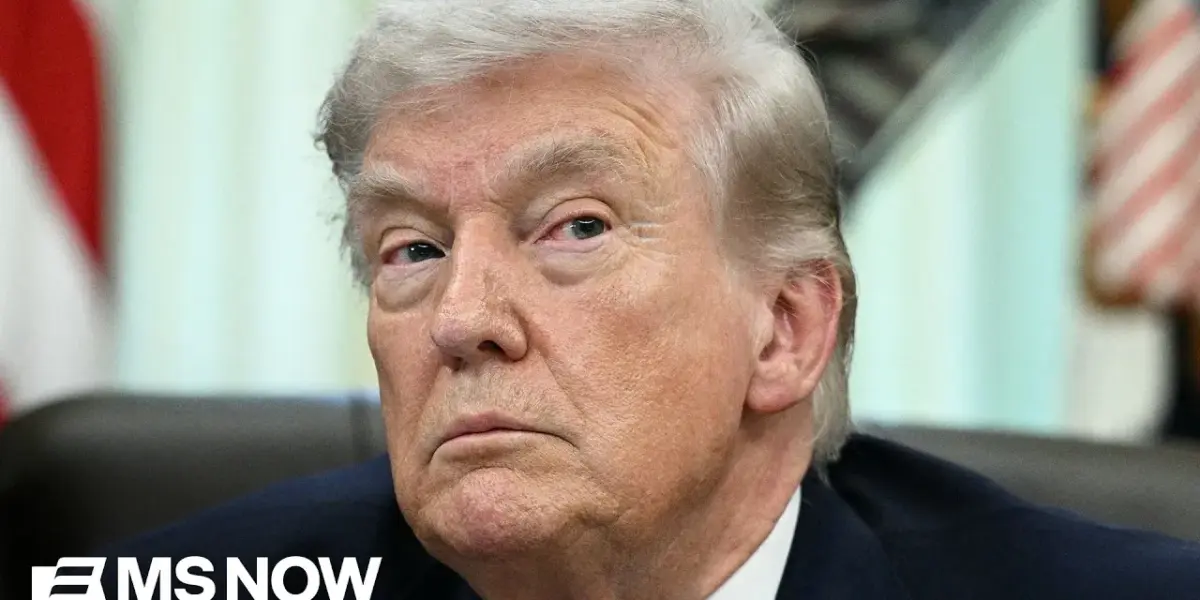
Trump Faces Fallout as Iran War Continues, Allies Express Concern
President Trump is set to address the nation regarding the ongoing conflict in Iran, a war that has stretched on longer than initially suggested by the president. Despite repeated statements about the conflict ending soon, the situation persists, leaving many to wonder about the administration’s strategy and objectives. The president’s frustration with the war appears to be growing, fueled by concerns over rising oil prices and their impact on the global economy.
Allies Question U.S. Reliability Amid Strained Relations
The conflict has also strained relationships with key American allies. France and Spain have closed their airspace to U.S. military planes, a move that has drawn sharp criticism from the Trump administration. This disagreement highlights a deeper rift, with the U.S. questioning the future of its military presence in NATO countries. Experts warn that this friction could inflict significant long-term damage on alliances, which are built on shared values and common goals.
“The damage is immense, and not just over this one incident,” noted one observer, referencing past disagreements that alliances have weathered. However, the current situation is seen as different. Unlike past disputes, the current administration’s actions are perceived as undermining the core principles of these alliances. This repeated strain makes it difficult for allies to view the U.S. as a consistently reliable partner, both militarily and economically.
Uncertainty Surrounds Iran Strategy and Endgame
Adding to the confusion, President Trump has suggested that Iran does not need to make a deal for the U.S. to end the war. He indicated a willingness to withdraw troops once Iran is prevented from developing nuclear weapons, stating that a formal deal is “irrelevant.” However, this statement contradicts the reality on the ground, as the current Iranian leadership remains largely unchanged and potentially more resistant to U.S. pressure.
The administration has been vague about who they consider a “new regime” in Iran, leading to speculation about their true intentions. While the U.S. aims to apply political pressure, the president’s repeated talk of a swift conclusion to the operation adds another layer of uncertainty. A key report suggests the president is willing to end the military campaign even if the Strait of Hormuz remains closed. This would allow Iran to maintain control over a critical waterway, potentially prolonging economic disruption and higher gas prices globally.
The lack of clear objectives since the war began has left many questioning the endgame. The deployment of B-52 Stratofortress bombers to the region, while a display of American power, raises further questions about the strategy behind their use. “They can drop a lot of bombs. What is the endgame?” asked one analyst, highlighting the disconnect between military action and stated goals. For weeks, the explanation has centered on destroying targets, but the ultimate purpose remains unclear.
Congressional Scrutiny Looms as Lawmakers Seek Clarity
As the conflict continues, lawmakers on Capitol Hill are seeking answers. Secretary Hegseth is scheduled to testify before a House committee on April 29th, marking the first time he will face direct questioning from Congress since the war began. This testimony, part of an annual budget hearing, is seen as a critical opportunity for members of Congress to probe the administration’s strategy and handling of the war.
Frustration is growing on both sides of the aisle due to the lack of clarity surrounding the conflict. Concerns about market volatility, rising gas prices, and the potential for troop deployment are paramount, especially in a midterm election year where economic issues are key. While Democrats are pushing for a separate hearing specifically focused on the war in Iran, Republicans have so far resisted scheduling additional oversight. This routine budget hearing is expected to focus heavily on Iran, but it may not satisfy all lawmakers demanding greater accountability.
Looking Ahead: Awaiting Clarity on Strategy and Alliances
The coming days and weeks will be crucial for understanding the future of U.S. involvement in Iran and the state of its international alliances. President Trump’s upcoming address may offer more insight into his plans, but the persistent ambiguity surrounding the war’s objectives and the strain on diplomatic relationships suggest that significant challenges lie ahead. The world will be watching to see if the administration can provide the clarity needed to address both the immediate conflict and its long-term consequences.
Source: 'Damage is immense': Even if Trump pulls out of Iran, serious consequences remain (YouTube)

Related Articles


Stocks Surge as Iran War Hopes Rise, But Oil Crisis Looms
Stocks rallied significantly on hopes of an end to the Iran conflict, but experts warn the oil market crisis is far from over. Despite the market's optimism, economists and business leaders are concerned that high oil prices could still trigger a recession and impact consumer costs for months to come.


Trump Surrenders in Iran War, Faces Court Losses
Donald Trump has announced what appears to be a surrender in his war with Iran, shifting his focus as he faces significant court losses. Rulings have halted White House construction and questioned his actions surrounding the January 6th Capitol attack. The shift in foreign policy comes amid criticism of his leadership and a new executive order targeting mail-in ballots.
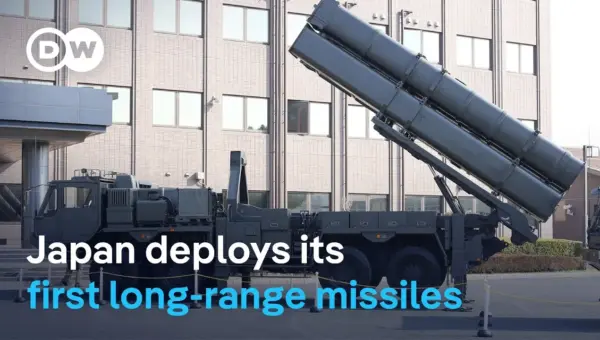
Japan Deploys Long-Range Missiles, Bolsters Offensive Power
Japan has deployed long-range missiles capable of reaching China, marking a significant shift in its defense-only policy. Experts explain this move is part of a planned strategy to bolster offensive capabilities and deter aggression in a changing East Asian security environment. While the government assures the public these are defensive measures, the deployment raises questions about regional stability and Japan's growing military role.