Trump’s Iran Policy: A Strait of Hostage?
A new analysis suggests Donald Trump's "tariff" approach to foreign policy may have inadvertently given Iran more leverage over the Strait of Hormuz. This strategy has allowed Iran to "toll" ships, creating a significant geopolitical advantage.


Trump’s Iran Policy: A Strait of Hostage?
The Strait of Hormuz, a vital waterway for global oil transport, has become a focal point in discussions about international relations and the impact of Donald Trump’s presidency. A recent analysis suggests that Trump’s approach to Iran may have inadvertently given the country more power and leverage than it previously held, particularly concerning its ability to control passage through the strait.
The Strait of Hormuz: A Geopolitical Chokepoint
The Strait of Hormuz is a narrow body of water connecting the Persian Gulf and the Gulf of Oman. It is critically important because a significant portion of the world’s oil supply travels through it every day. Any disruption here can have major global economic consequences.
A Contrasting View on Past Policies
The discussion contrasts Trump’s actions with those of the Obama administration. Some argue that under Obama, a policy of not directly confronting Iran allowed the country to move closer to developing nuclear weapons, potentially putting Europe and the United States at risk. This perspective suggests that a more assertive stance, like the one Trump favored, was necessary to prevent Iran from becoming a nuclear threat and holding the world hostage.
Trump’s “Tariff” Strategy and Iran’s Response
However, the analysis presents a different interpretation of Trump’s impact. It suggests that Trump’s own use of tariffs on U.S. companies importing goods has created a situation where Iran’s actions in the Strait of Hormuz are seen as a parallel. While not identical, Iran’s ability to control ships passing through the strait is described as a form of “tolling,” similar to how Trump has imposed fees on businesses.
The argument is that this strategy has given Iran more leverage than it might have had just a few months prior. By “holding the Strait of Hormuz hostage,” Iran can exert significant pressure on international shipping and global markets. This is presented as a direct consequence of the pathway Trump’s policies may have opened.
Unintended Consequences of Trump’s Approach
The core of the analysis is that Trump’s policy, intended to pressure Iran, has instead empowered it. The idea is that by focusing on tariffs and a strong stance, Trump created a model that Iran has now adopted. This has led to a situation where Iran can effectively charge or control passage through a critical global chokepoint. This is seen as a strategic advantage Iran could only have dreamed of.
Why This Matters
The situation in the Strait of Hormuz directly impacts global energy prices and economic stability. If Iran can successfully control or disrupt shipping, it can cause significant price hikes for oil and gas. This affects consumers worldwide, from the cost of filling up a car to the price of everyday goods. Understanding who holds leverage in this region is crucial for predicting future economic trends and geopolitical stability.
Implications and Future Outlook
This analysis suggests that aggressive foreign policy, even when intended to weaken an adversary, can sometimes lead to unintended consequences. Iran’s ability to leverage its geographic position in the Strait of Hormuz, as described, highlights the complex and often unpredictable nature of international relations. Future policy decisions regarding Iran will need to consider not just direct sanctions or military posturing, but also the potential for such actions to empower the targeted nation in unexpected ways.
Historical Context
The Strait of Hormuz has long been a site of geopolitical tension. Its strategic importance has made it a constant factor in Middle Eastern politics and global energy security. Throughout history, various powers have sought to control or influence passage through the strait. This current situation, while influenced by modern political figures like Trump and past administrations like Obama’s, is part of a much longer history of strategic competition in the region.
The comparison drawn between Trump’s tariff policies and Iran’s actions in the strait is a novel way to look at the current dynamics. It suggests that economic pressure tactics, whether applied by a superpower or a regional power, can have similar effects in terms of creating leverage and control. This perspective challenges the conventional view of who is truly in command of the situation.
Source: If Trump Won… Why Is the Strait Still Closed? #politics #fyp #new (YouTube)

Related Articles
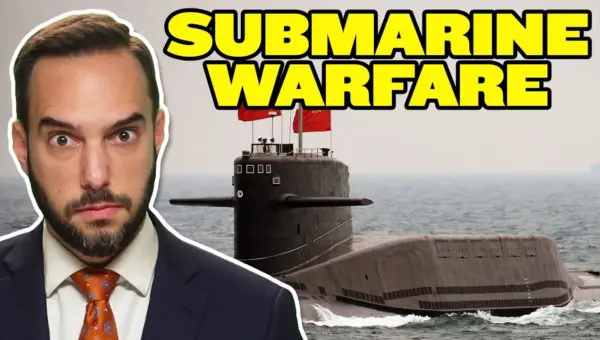
China Maps Seabed, Eyes Hawaii in Naval Power Play
China's extensive seabed mapping in the Pacific, particularly around strategic areas like Guam and Hawaii, is raising concerns about its preparation for submarine warfare. This effort, often disguised as scientific research, aims to enhance China's naval capabilities and challenge US dominance in the region.
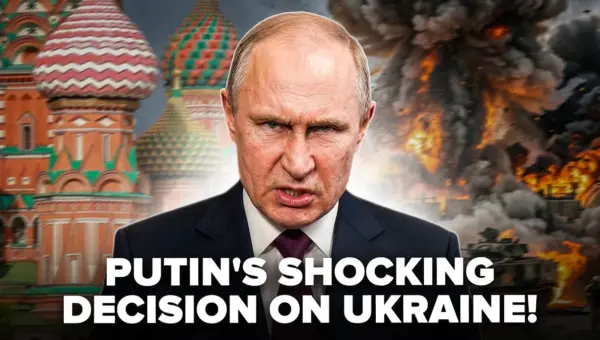
Russia Faces Last-Ditch Offensive, Internal Cracks
Russia may be launching a final major offensive in Ukraine as it faces mounting internal pressures. Analysts suggest this push is a last resort before significant manpower and financial issues arise. Meanwhile, increasing domestic information control and official criticism highlight growing cracks within the Russian establishment.


Trump Threatens Iran, Shaking Global Stability
Former President Trump's aggressive Easter Sunday warning to Iran has ignited global concerns, highlighting a volatile intersection of politics, religion, and foreign policy. The analysis explores the motivations behind such rhetoric, the deep divisions within American society, and the potential for severe economic and geopolitical repercussions worldwide.