Trump’s Iran Policy: A Deal Blown Up, Invasion Looms?
Reports suggest a potential U.S. ground invasion of Iran is looming, despite conflicting claims of nearing a deal. This escalation follows the U.S. withdrawal from the Iran nuclear deal and has left many concerned about regional stability and economic consequences.

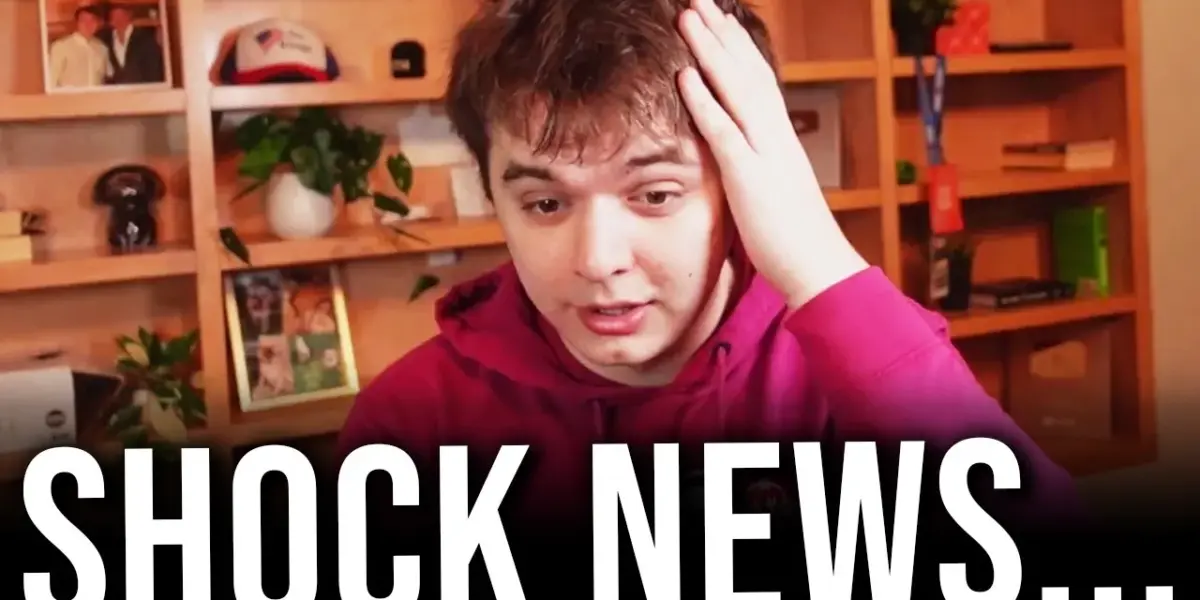
Trump’s Iran Policy: A Deal Blown Up, Invasion Looms?
The path to peace with Iran seems further away than ever, with reports suggesting a potential U.S. ground invasion is more likely than a diplomatic solution. This situation has developed under the leadership of Donald Trump and Benjamin Netanyahu, leaving many concerned about the escalating tensions.
Conflicting Narratives Emerge
For days, Donald Trump has claimed that a deal with Iran was within reach, even hinting that Iran had agreed to most of his proposed framework. However, Iranian officials have consistently denied that any negotiations are even taking place. The reality on the ground appears to be a mix of intermediary talks, with countries like Egypt and Oman trying to mediate. These indirect discussions aim to de-escalate a conflict that is causing harm across the Middle East, globally, and even within the United States.
Meanwhile, Iran is reportedly mobilizing over a million fighters in response to the possibility of a U.S. ground invasion. This stark contrast highlights two different worlds: one painted by the Trump administration, claiming victory and progress, and another showing thousands of U.S. troops being sent to the Middle East and a request for $200 billion more to fund ongoing military operations. While an invasion is not confirmed, the signs point towards this dangerous direction.
A Deal Undone
During a press conference, Trump himself seemed to admit that the deal had fallen apart, acknowledging a messy situation and the continuation of conflict. This pattern of declaring victory in an ongoing war, only to lack a clear exit strategy and move towards invasion, is deeply concerning. It creates a confusing and unstable environment where the president appears to be shifting his stance frequently.
In one instance, Trump stated, “We’re giving it 5 days because he was just waiting to do an invasion this weekend after markets closed.” This suggests a strategy to enact military action while trying to minimize economic disruption. He also spoke about a gift from Iran: eight boats of oil. This was presented as proof of progress, but critics argue it barely addresses the problems created by U.S. actions, calling it a form of “mission inversion” where the focus shifts to fixing self-inflicted wounds.
Historical Context: The JCPOA
To understand the current situation, it’s important to look back at the Joint Comprehensive Plan of Action (JCPOA), commonly known as the Iran nuclear deal. This agreement was reached under the Obama administration. Both sides, including Iran and the international community, benefited from it. However, Donald Trump withdrew the U.S. from the JCPOA, effectively ending the deal. This action, followed by increased military strikes against Iran, removed any incentive for Iran to adhere to the terms or negotiate in good faith.
The transcript criticizes this approach, stating, “That is no way to negotiate.” It contrasts Trump’s actions with the previous administration’s policy, suggesting that Iran had more freedom under President Biden. However, it also points out that Joe Biden did not start an endless war in the Middle East, unlike Trump’s current trajectory, and managed to withdraw troops from Afghanistan.
Economic Strain and Public Concern
The ongoing conflict and shifting policies have real-world consequences for Americans. Many recent college graduates are struggling to find jobs and pay for basic necessities like groceries and rent. The economic uncertainty adds to the public’s concern, especially when military spending increases while everyday people face financial hardship. The transcript highlights this disconnect, questioning the priorities when the nation is sending troops and billions of dollars to the Middle East while citizens are struggling financially.
Diplomatic Breakdown and Future Outlook
Adding another layer of complexity, reports suggest that Iranian officials have grown frustrated with Trump’s envoys, Steve Witkoff and Jared Kushner. Iran has reportedly stated it will no longer deal with them, feeling betrayed and used to prolong strikes. They now say they would only engage with Vice President JD Vance. This breakdown in trust between key negotiators further complicates any hope for a peaceful resolution.
The situation remains volatile. Trump’s administration appears divided on the path forward, and the president himself seems to be struggling to articulate a clear strategy. With rising prices, expiring healthcare subsidies, and a commander-in-chief whose focus seems elsewhere, the outlook is grim. The conflict with Iran, far from being resolved, seems to be deepening, with potentially devastating consequences.
Why This Matters
This situation is critical because it involves the potential for a major military conflict with significant human cost and global repercussions. The conflicting messages from the U.S. administration create uncertainty and distrust, making diplomacy incredibly difficult. The economic impact on ordinary Americans, struggling to make ends meet while military spending rises, is a serious concern. Furthermore, the breakdown of diplomatic channels and the potential for invasion highlight a dangerous trend in international relations where negotiation is sidelined in favor of military action.
Implications and Future Outlook
The implications of a U.S. ground invasion of Iran would be far-reaching. It could lead to a prolonged and bloody conflict, destabilize the entire region, and have severe economic consequences worldwide, particularly concerning oil prices. The current lack of a clear diplomatic off-ramp suggests that the conflict could easily escalate. The distrust sown by past actions, like withdrawing from the JCPOA, makes future negotiations extremely challenging. The future outlook suggests continued volatility and a high risk of further military engagement unless a diplomatic breakthrough occurs, which currently seems unlikely.
Source: Trump just BLEW UP his own deal… (YouTube)

Related Articles
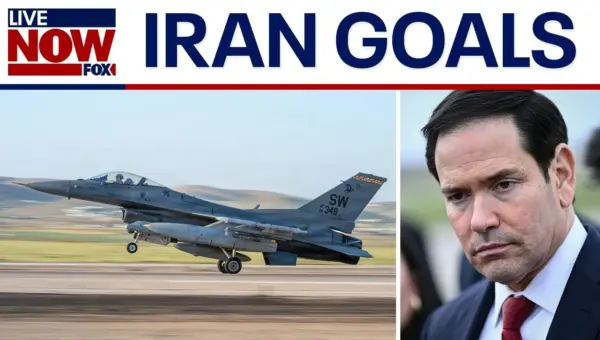
Rubio: US Can Achieve Iran War Goals Without Troops
Senator Marco Rubio outlined a strategy to counter Iran without deploying U.S. ground troops, focusing on weakening the regime and enhancing maritime security. He also criticized Cuba's economic system and expressed concerns about West Bank violence.

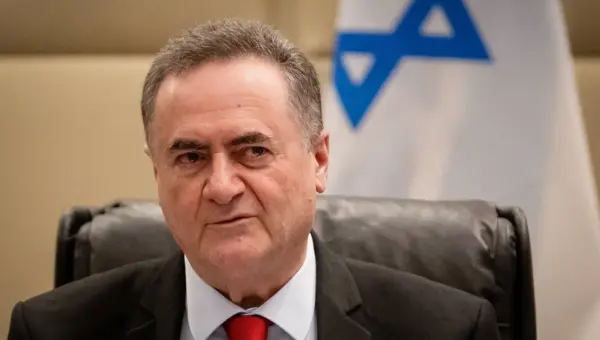
Israel Escalates Iran Strikes, Warns of Wider War
Israel has launched significant strikes inside Iran following continued missile fire, warning of further escalation. The conflict risks wider regional instability and economic disruption, especially concerning the Strait of Hormuz.
Trump’s Name Everywhere: A ‘Stain’ on GOP Legacy?
Former President Donald Trump's efforts to brand national symbols, including a proposed signature on dollar bills, spark debate. Critics view this as an authoritarian attempt to embed his legacy, potentially staining the Republican Party's history and contrasting with democratic ideals of public ownership.