Trump’s Iran Pause Signals Strength, But Peace Remains Distant
President Trump's pause on threatening Iran's power plants suggests U.S. confidence in military goals, but lasting peace remains unlikely with the current regime. Ongoing strategic operations and China's assertive role add complexity to the volatile situation.

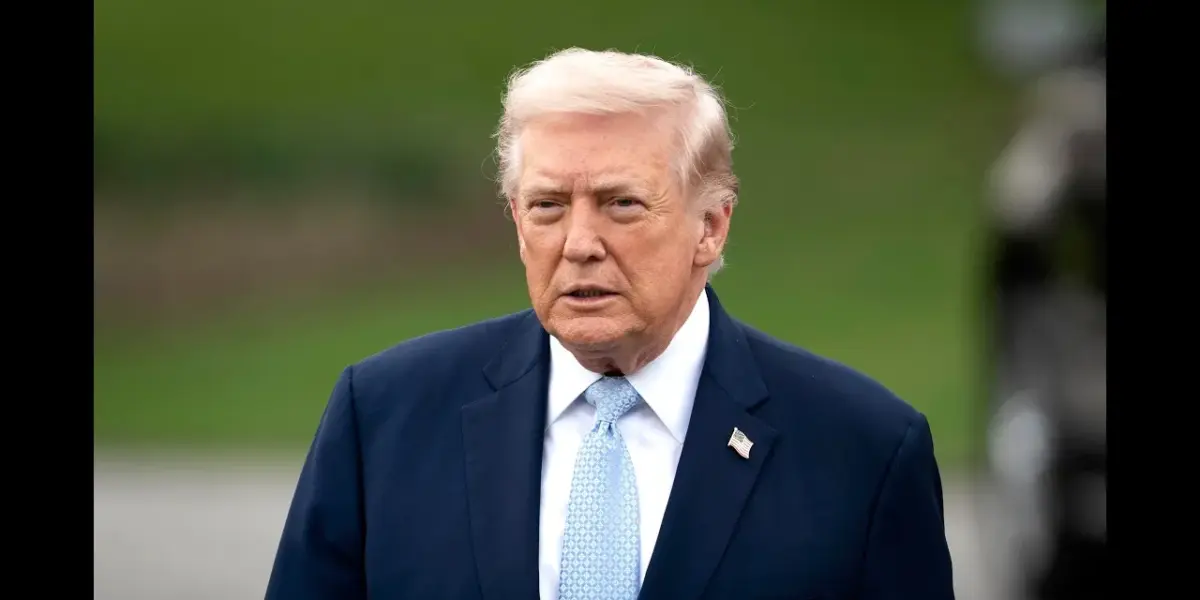
Trump Pauses Iran Strike Threat, But Long-Term Peace Uncertain
President Trump has announced a temporary pause on threats to strike Iran’s power plants, citing major points of agreement reached in recent talks. This move, lasting five days, suggests a strategic confidence from the U.S. that its military objectives have been met. These objectives reportedly included weakening Iran’s missile production and its leadership capabilities.
However, Iran has denied that any negotiations are taking place. This conflicting information highlights the complex and often tense relationship between the two nations. While the U.S. sees this pause as a positive step towards a potential deal, the long-term outlook for lasting peace remains unclear. The situation is further complicated by ongoing missile strikes hitting Israel, even as the U.S. claims progress.
The Challenge of Lasting Peace
According to Middle East affairs analyst Gerard Feliti, achieving lasting peace with the current Iranian regime is extremely difficult. He points out that the Islamic Republic, since its establishment in 1979, has shown a consistent commitment to violence, particularly against the United States and Western nations. This has been maintained through support for terrorist groups worldwide.
Feliti suggests that without a fundamental change in the regime’s approach, any current agreements might only postpone future conflicts. Iran’s continued pursuit of nuclear weapons and long-range ballistic missiles poses a significant threat. Therefore, while U.S. objectives might be met in the short term, preventing an immediate Iranian military threat, true long-term peace likely requires a different leadership in Iran.
Strategic Operations Continue
Despite the pause in striking power plants, both the U.S. and Israel have made it clear that military strikes on other targets will continue. The strategic purpose behind these ongoing operations appears to be twofold. Firstly, they aim to weaken the Iranian regime’s ability to control its own population. Secondly, these strikes target the infrastructure of oppression, including secret police and militias that terrorize civilians, as well as leadership figures.
The goal seems to be to dismantle the regime’s power as much as possible, potentially creating an opportunity for the Iranian people to reclaim their country. Alongside this, the continued degradation of Iran’s military capabilities aims to limit its capacity for waging war.
Energy Market Stability
The disruption in the Strait of Hormuz has led to calls for increased oil production. U.S. Energy Secretary Chris Wright urged producers to boost output, calling the disruption temporary. Experts agree that once the Strait reopens, oil prices are likely to stabilize and decrease.
Looking ahead, countries in the Gulf are exploring long-term solutions to ensure oil and gas reach markets without relying on the Strait of Hormuz. This could involve building canals or pipelines across Saudi Arabia to bypass the volatile waterway. Increased investment in such infrastructure is expected to prevent future disruptions.
China’s Role and Reputation
China’s position on the conflict, reportedly suggesting Iran should be allowed nuclear weapons to end the fighting, is seen as a strategic move. China relies on Iranian oil to fuel its manufacturing, production, and military capabilities. By supporting Iran, China aims to secure its oil supply and assert its influence in the Middle East.
However, this stance, along with alliances with countries known for human rights abuses, negatively impacts China’s global reputation. While the Chinese regime may appear stable in its oppressive practices, its international standing suffers when it aligns with nations that threaten global security and disrespect human rights. China’s focus, some analysts suggest, should be on internal reform rather than meddling in international affairs.
Why This Matters
The current situation in Iran has far-reaching implications, affecting global energy markets, international relations, and the potential for regional conflict. President Trump’s decision to pause threats, while seemingly positive, underscores the delicate balance of power and the uncertainty surrounding diplomatic solutions with the current Iranian regime. The continued strategic operations, aimed at weakening the regime, raise questions about the U.S. long-term strategy and its potential impact on the Iranian population.
Furthermore, China’s involvement highlights the growing geopolitical competition in the Middle East. Its alignment with Iran and its stance on nuclear proliferation could reshape regional alliances and challenge existing international norms. The global community watches closely, as actions taken now will shape the future stability and security of the region and beyond.
Looking Ahead
The coming days will be crucial in determining whether the current pause leads to genuine de-escalation or a resumption of hostilities. The U.S. appears confident in its military position, but Iran’s response and its willingness to engage in meaningful negotiations remain key variables. The long-term prospect of peace hinges on fundamental changes within Iran itself, a possibility that remains uncertain.
Meanwhile, the energy markets will likely remain sensitive to developments, with investments in alternative routes becoming increasingly important. China’s assertive role in the region also signals a shifting global dynamic, where economic interests and geopolitical ambitions are increasingly intertwined. The world is watching to see if diplomacy can prevail or if the cycle of conflict will continue.
Source: Trump Pausing Threat to Strike Iran’s Power Plants a Sign of Progress: Expert (YouTube)

Related Articles

G7 Allies Clash Over Iran War Strategy, Urge Focus on Russia
G7 foreign ministers met in Paris, revealing deep divisions over the U.S. war with Iran. European allies urged the U.S. to pressure Russia, linking its actions to the conflict and fearing support for Ukraine will wane.


US Must Block China’s Tech Access for Security
US national security experts are raising alarms about China's access to advanced AI chips, arguing it threatens strategic advantages. This, coupled with charges against Chinese entities for fentanyl precursor sales and a ban on foreign routers, signals a growing effort to prioritize security over business ties.

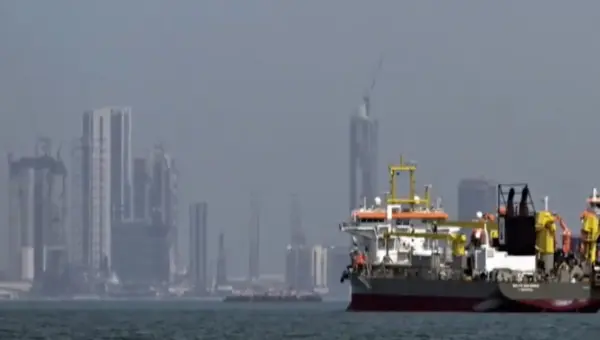
Iran Blocks China Ships, Exposing Beijing’s Weak Grip
Iran's recent decision to block Chinese ships at the Strait of Hormuz is exposing the limits of Beijing's influence in the Middle East. This action is causing delays and cancellations for Chinese manufacturers, turning a perceived geopolitical win into an economic strain.