Trump’s Iran Miscalculation: Allies Warn of Global Ramifications
Donald Trump's request for allied help policing the Strait of Hormuz following Iran's closure of the waterway has been met with skepticism and a stark revelation of the UK's limited naval capacity. Analysts point to intelligence failures and a miscalculation of Iran's resilience, with significant economic and geopolitical consequences looming.

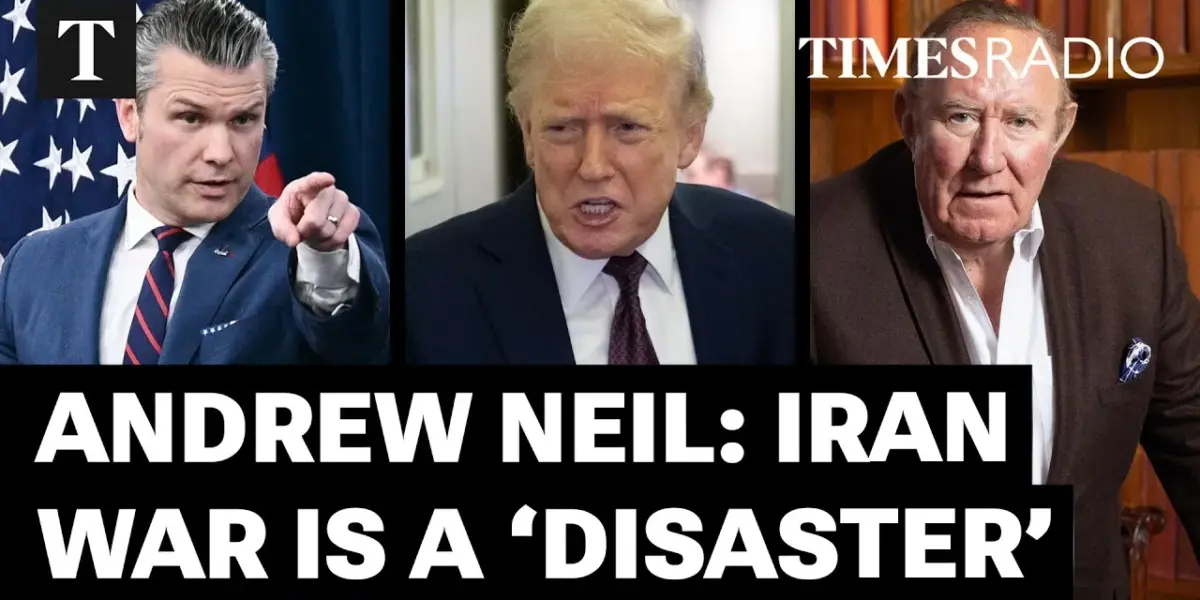
Trump’s Bold Move Against Iran Backfires, Allies Express Concern
In a dramatic turn of events, former U.S. President Donald Trump has reportedly sought assistance from international allies, including the UK, to police the Strait of Hormuz amidst escalating tensions with Iran. This plea for help comes after Iran effectively closed the vital waterway, a move analysts suggest was an predictable ‘nuclear option’ that the Trump administration seemingly failed to anticipate or plan for.
UK Lacks Naval Capacity for Hormuz Mission
The United Kingdom has publicly stated its reluctance to send naval vessels to the Strait of Hormuz, with Defence Secretary Pat McFadden emphasizing a desire to avoid proactive military engagement. However, behind the scenes, a stark reality emerges: Britain’s own naval capabilities are severely depleted. “Even if he wanted to send ships, he’s got none to send,” remarked one analyst, highlighting the struggle to even dispatch a single Type 45 destroyer for other duties. The nation’s capacity for mine-sweeping operations, once a crucial asset during the Iran-Iraq War, has vanished, leaving Britain in no position to offer meaningful escort services.
“It’s a shambles all round. For Britain not to admit that it’s whether it wanted to or not, it’s in no position to provide escort services for any convoys going through the strait.”
Trump’s Shifting Stance and Intelligence Failures
The former president’s sudden request for allied support is viewed with skepticism, particularly given his past treatment of allies. Analysts suggest Trump may have been emboldened by perceived successes in Venezuela and a bombing raid on Iran’s nuclear facilities, leading him to believe a swift victory against Iran was attainable. However, this assessment appears to have been based on flawed intelligence and a miscalculation of the Iranian regime’s resilience.
“He was badly advised… that the Iranian regime would crumble with a major onslaught and it would crumble quickly,” explained one source familiar with internal White House discussions. This intelligence failure, while not on the scale of the WMD intelligence leading to the Iraq War, is still considered significant, as it led to a lack of contingency plans for a closed Strait of Hormuz.
Economic Repercussions and Geopolitical Shifts
The closure of the Strait of Hormuz has profound implications for the global energy market. Europe, more dependent on oil and gas transiting the strait than the United States, faces severe economic repercussions. While the U.S. could theoretically withstand a disruption, European nations and Britain would be significantly impacted. The situation also benefits China, which continues to receive oil from Iran, and diverts American attention from the Western Pacific and Taiwan.
Furthermore, the conflict’s impact on Russia’s financial situation is noted, with higher oil and gas prices potentially bolstering Kremlin coffers. Trump’s past policies, such as imposing tariffs on allies while exempting Russia, and his recent actions suspending sanctions on Russian oil, are seen as inadvertently aiding Moscow.
The Rise of Anti-Semitism on University Campuses
The discussion also pivoted to a deeply concerning rise in anti-Semitism, particularly among university students. New research indicates that one in five students would be reluctant to share accommodation with a Jewish student, and nearly a quarter have witnessed anti-Semitic behavior. This trend is particularly alarming given that students are often perceived as the most open-minded segment of society.
“We now seem to live in a society in which just underneath that criticism of Israel, entirely legitimate, lurks the entirely illegitimate spectre of anti-Semitism.”
Experts suggest a troubling shift where legitimate criticism of Israeli government policies is morphing into anti-Semitism, especially among younger generations. This phenomenon is observed across the political spectrum, with both the far-left and far-right contributing to the problem, albeit through different ideological lenses. The left’s anti-Semitism is sometimes linked to a misguided association of Jewishness with capitalism and American imperialism, while the traditional right-wing anti-Semitism persists.
University Authorities Urged to Act
There is a strong call for university authorities to take more decisive action against anti-Semitism on campuses. Critics argue that many institutions are failing to intervene effectively, often prioritizing the defense of controversial speech over the protection of Jewish students from harassment and incitement. The need for robust educational initiatives and stricter enforcement of anti-discrimination policies is paramount.
Polling in the Age of Multi-Party Politics
The conversation concluded with a discussion on the challenges of political polling in the current multi-party landscape. The accuracy of polls, particularly concerning parties like Reform UK, is under scrutiny. Yugov’s decision to make more data available is seen as a positive step towards transparency in an inexact science.
However, the greater challenge lies in translating vote share into seats in the House of Commons under the first-past-the-post system. This complex dynamic makes predicting election outcomes increasingly difficult, even with accurate polling data.
Source: Trump Believed His Own Propaganda | Andrew Neil (YouTube)

Related Articles

G7 Allies Clash Over Iran War Strategy, Urge Focus on Russia
G7 foreign ministers met in Paris, revealing deep divisions over the U.S. war with Iran. European allies urged the U.S. to pressure Russia, linking its actions to the conflict and fearing support for Ukraine will wane.

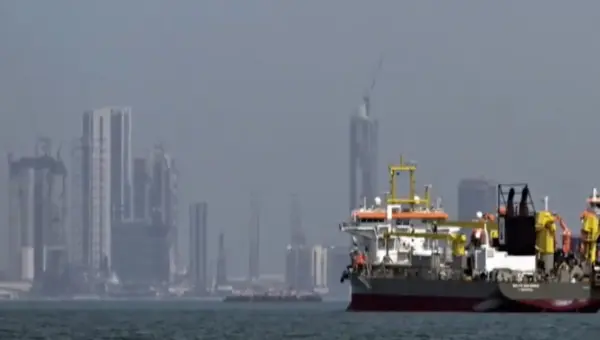
Iran Blocks China Ships, Exposing Beijing’s Weak Grip
Iran's recent decision to block Chinese ships at the Strait of Hormuz is exposing the limits of Beijing's influence in the Middle East. This action is causing delays and cancellations for Chinese manufacturers, turning a perceived geopolitical win into an economic strain.
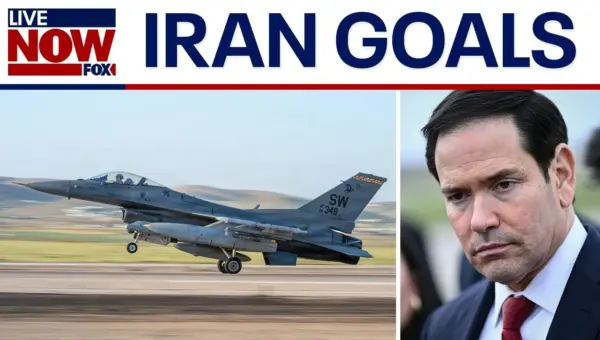
Rubio: US Can Achieve Iran War Goals Without Troops
Senator Marco Rubio outlined a strategy to counter Iran without deploying U.S. ground troops, focusing on weakening the regime and enhancing maritime security. He also criticized Cuba's economic system and expressed concerns about West Bank violence.