Trump’s Iran Message Sparks GOP Unease Amid Regional Tensions
Republicans are reportedly uneasy with President Trump's unclear messaging on the escalating conflict with Iran, questioning the objectives and timing of recent military actions. Despite public support, private doubts are surfacing over the administration's justification for strikes and the lack of a cohesive strategy.

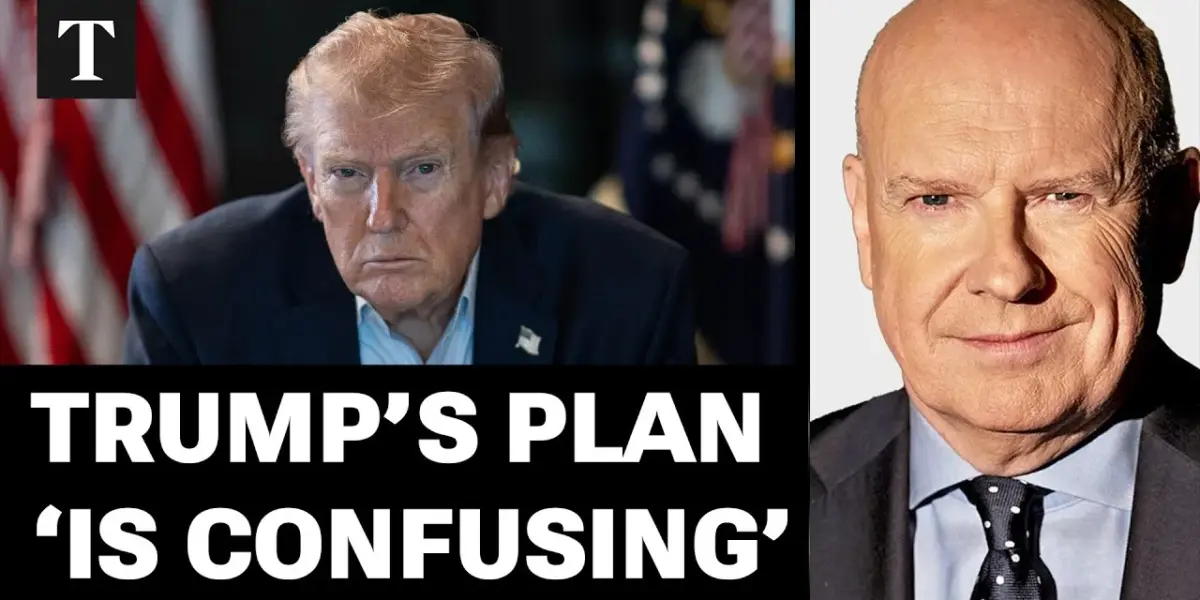
Trump’s Confusing Iran Stance Fuels Republican Doubts
In the midst of escalating conflict in the Middle East, President Donald Trump’s messaging regarding the strikes on Iran has reportedly sowed unease among Republicans, despite public displays of solidarity. The administration is facing scrutiny over its objectives and the timing of the military actions, with critics and even some within the party questioning the clarity and consistency of the stated goals.
Unclear Objectives and Imminent Threats
The recent escalation has seen continued air strikes from both sides, disrupting the region. While Donald Trump has promised further action, stating that the “biggest wave of attacks on Iran hasn’t even happened,” the administration has struggled to provide a cohesive explanation for the immediate threat that necessitated the current military response. This lack of transparency has led to significant internal questioning among those typically loyal to the administration.
“I don’t think the administration is doing a very good job of explaining why now, what the objective is, what is the immediate threat that needed to be removed,” noted Jerry Baker, editor at large for The Wall Street Journal and The Times Economist. He observed that while Republicans are publicly supporting the President, privately, “there’s a lot of unease here, not being publicly expressed by any Republicans… there’s a lot of question marks about what is actually the objective here, why we’re doing this, and why we’re doing it now.”
Conflicting Narratives Emerge
Adding to the confusion, various administration officials have offered differing rationales for the strikes. While some, like Marco Rubio, have cited an “imminent threat from Iran to US forces,” off-the-record Pentagon officials have reportedly denied such a threat. Secretary of State Mike Pompeo and others have also presented conflicting views on whether the objective is regime change, with some hinting at it while others, like Peter Hexith, have vehemently denied it.
Professor Baqir al-Saqer from Q8 University suggested that the objectives may not be clearly aligned, even between the U.S. and Israel. “We’ve known for the longest time that Israel has had regime change in mind and this was the opportunity given to them to focus on this objective. The US in the past few days and and prior to that have come up with a whole host of different objectives.” He also noted reports that Iran was ready to abandon its nuclear capabilities, a claim that apparently did not sway the United States.
Historical Context and ‘Simmering War’
Baker highlighted the long-standing animosity between the U.S. and Iran, dating back to the 1979 hostage crisis. “There’s a strong case that can be made that the United States has been at war with Iran in a kind of simmering way for 47 years,” he stated, referencing Iran’s consistent actions against American interests and allies through direct means and proxies.
However, the core question remains: why now? The lack of a clear, immediate threat and a well-defined objective leaves many, including loyal supporters, questioning the administration’s strategy. Reports from within the Pentagon suggest a lack of a clear plan, with intelligence shared with Israel regarding the location of Ayatollah Khamenei potentially influencing the decision to strike.
Concerns Over ‘Forever Wars’ and Presidential Objectives
Historian Tessa Dunlop raised concerns about the administration’s approach, drawing parallels to the irresponsibility seen in past conflicts. She noted that President Trump has a history of “making it up as he’s gone along,” and that his objectives can be fluid, allowing him to declare “mission accomplished” at any point, regardless of objective evidence.
Baker echoed this sentiment, suggesting that while a protracted, Iraq-style war is unlikely, the immediate reasons for the current engagement remain obscure. “It doesn’t really answer the larger question about why the United States is doing this right now and what it really wants to achieve through this.” The recent confirmation of six U.S. military personnel killed underscores the gravity of the situation and the need for clear justifications.
International Reactions and Geopolitical Implications
The conflict also presents challenges for international allies. The response, or lack thereof, from figures like Keir Starmer in the UK has drawn criticism. Hosro Isfahani, research director for the National Union for Democracy in Iran, described Starmer’s stance as having a “backbone made out of jelly,” contrasting it with Trump’s perceived delivery of action, such as the death of Ali Khamenei.
Baker, while sympathetic to the plight of the Iranian people, also critiqued Starmer’s indecisiveness. “Either join in with the United States and Israel in this action… or say no, it’s against international law…” he argued, highlighting the lack of a “real core set of beliefs” leading to perceived weakness.
The broader geopolitical landscape is also affected. The assassination of a leader like Khamenei, while eliminating an “implacable enemy” committed to exporting revolutionary Islam and destroying Israel, has also been seen by some as setting a dangerous precedent, potentially increasing the vulnerability of other world leaders.
Israel’s Dual Role and Regional Dynamics
The role of Israel in the conflict is particularly complex. Dunlop pointed out the contradictory perceptions of Israel as both an existentially threatened nation and an imperial power in the region. The historical context of Israel being surrounded by hostile nations and possessing nuclear capabilities, while Iran does not, fuels intense debate about regional security and the justification for military actions.
The ongoing conflict in Gaza and the domestic political incentives for Israeli Prime Minister Benjamin Netanyahu to seek military victories further complicate the situation. The differing perspectives on who is defending what—Israel its democracy versus Iran and Saudi Arabia—underscore the deep-seated regional tensions.
Looking Ahead
As the situation continues to develop, the focus will remain on the administration’s ability to articulate clear objectives and justify its actions to both the American public and its allies. The internal Republican unease, coupled with the unpredictable nature of President Trump’s decision-making, suggests a period of continued uncertainty and potential for further escalation or de-escalation depending on the administration’s next moves.
Source: Republicans ‘Uneasy’ At Trump’s ‘Confusing’ Message on Iran | Gerard Baker (YouTube)

Related Articles


US Borrows Billions From China for Defense Against China
The United States is reportedly borrowing billions from China to fund defense initiatives aimed at countering Chinese influence. This complex financial strategy fuels market uncertainty and raises concerns about geopolitical vulnerabilities and supply chain security.
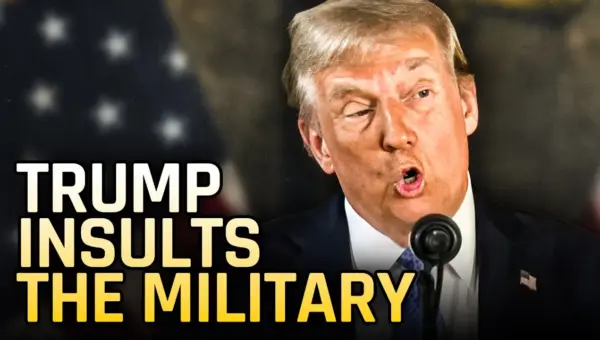
Trump’s ‘Casualties’ Remark: A Betrayal of Service Members?
Donald Trump's remarks on U.S. service members killed in Iran have sparked outrage, with critics accusing him of viewing lives as bargaining chips. This analysis explores the implications of such transactional rhetoric for military morale and national leadership.
Iran’s Regime Loses Grip Amidst Escalating Gulf Attacks
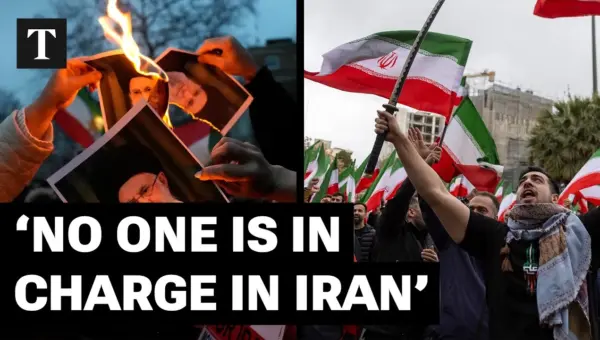
Iran's regime is reportedly losing centralized control, with individual military units acting autonomously amidst escalating attacks across the Gulf. This breakdown in command, coupled with internal power struggles, fuels regional instability and disrupts vital shipping lanes, posing significant economic and security challenges.