Trump’s Iran Gamble Backfires Amidst Escalating Mideast Crisis
Donald Trump's Iran strategy is under intense scrutiny as a US military operation on Kark Island and subsequent Iranian retaliation highlight potential strategic missteps. The analysis delves into the economic risks, the deployment of Marines, and conflicting statements on Ukraine and Russian aid, suggesting a pattern of underestimation and a lack of comprehensive planning.

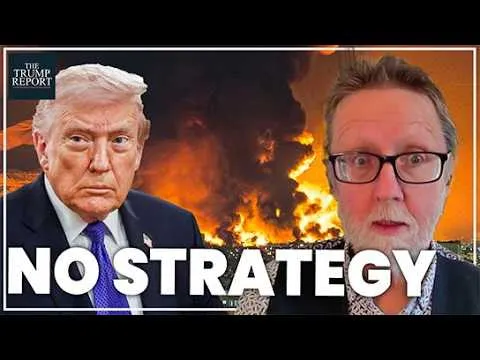
Trump’s Iran Strategy Crumbles: A Calculated Risk or Reckless Gamble?
The recent escalation in the Middle East, marked by a significant US military operation and Iran’s subsequent retaliation, has brought into sharp focus the strategic blunders attributed to the Trump administration’s approach. As the region teeters on the brink of further instability, a critical analysis of the decisions made, particularly concerning Iran’s oil infrastructure and the deployment of military assets, reveals a potential disconnect between stated intentions and tangible outcomes. The narrative emerging suggests that a lack of comprehensive planning and an overestimation of Iranian capitulation may be at the heart of the current predicament.
The Kark Island Conundrum: Economic Warfare and Unintended Consequences
A major point of contention and a significant factor in potential market volatility is the US military operation on Kark Island. Trump’s assertion of having “totally obliterated every military target in Iran’s crown jewel, Kark Island,” while deliberately avoiding oil infrastructure, has been met with skepticism. Kark Island is pivotal, responsible for approximately 90% of Iran’s crude oil exports. Analysts warn that any direct targeting or even collateral damage to these facilities could send oil prices soaring, potentially reaching $150 per barrel. This economic pressure, intended to cripple the Iranian regime, risks igniting broader regional instability and further alarming Gulf States already on edge.
The ambiguity surrounding the extent of damage to oil infrastructure is a key concern. While Iran has stated no damage occurred to its oil facilities, the inherent proximity of military assets to such critical infrastructure on Kark Island makes it highly improbable that a large-scale military operation would leave them entirely unscathed. This discrepancy fuels the narrative that Trump’s pronouncements are more about projecting strength – “thumping his chest” – than reflecting a meticulously executed plan. The lack of a “Plan B” following the failure of initial strategies, such as the expectation of regime collapse after the killing of the Supreme Leader, is repeatedly highlighted as a critical oversight.
Marines on the Move: A Signal of Escalation or Empty Bluster?
The movement of the amphibious assault ship USS Tripoli, carrying 2,500 Marines, into the Arabian Sea alongside a dozen other warships, is a development that cannot be ignored. While it could be interpreted as an “escalated bluster” – a show of force to deter further Iranian aggression – the significant deployment of ground troops suggests a potential readiness for ground operations. The target of such an operation, if it materializes, is widely speculated to be Kark Island itself. However, Iran has vehemently stated its intention to defend the island “to the hilt” should such an attempt be made. Furthermore, even if the US forces were to seize Kark Island, the persistent threat of Iranian drone attacks, against which immediate defenses would be difficult to establish, poses a substantial risk.
This potential ground invasion, even if confined to an island, represents a significant escalation. The Trump administration’s attempts to frame it as a “limited ground operation” might resonate with a public wary of another Iraq-style quagmire, especially if US casualties remain low. However, the geopolitical implications are vast. While seizing Kark Island would inflict a severe economic blow on Iran by restricting oil exports, it is unlikely to lead to the regime’s swift collapse, given Iran’s size and population. The move is characterized as “desperate folks taking desperate measures,” driven by political expediency rather than strategic foresight.
Conflicting Narratives: Trump’s Statements on Ukraine and Russian Aid
Adding another layer of complexity to the foreign policy landscape are Trump’s recent interviews, particularly his remarks regarding Ukraine and potential Russian assistance to Iran. Trump’s claim that the US does not need Ukraine’s help with drone defense, despite Ukrainian President Zelenskyy stating their willingness to provide it and reports of such aid already being sent to the region, has been labeled as a “damn lie.” The US military, facing potential shortages of interceptors for drones and missiles in a protracted conflict, had reportedly been open to Ukrainian assistance. Zelenskyy’s offer, a strategic move to build goodwill, was not denied by American officials, further undermining Trump’s assertion.
Trump’s dismissive stance on supporting Ukraine, coupled with his apparent indifference to Russia providing intelligence to Iran – potentially endangering American forces – is particularly alarming. He stated he was “okay” with Russia helping Iran, drawing a parallel to US assistance to Ukraine. However, the distinction is crucial: US support for Ukraine is defensive against an unprovoked invasion, while Russian support for Iran is aiding a state engaged in conflict with the US. This position suggests a prioritization of personal relationships over national security and a disregard for Ukrainian and European security, as well as the lives of American troops.
The “Forever War” Paradox and Resource Constraints
Trump’s assertion that the “war on Iran” will end “when I feel it in my bones and that the United States had ammunition to go forever” starkly contrasts with his campaign promise to end “forever wars.” This inconsistency raises questions about his commitment to fiscal and military responsibility. The US military has reportedly expended years’ worth of stockpiles on recent operations, a significant cost that cannot be sustained indefinitely. While America remains the world’s dominant military power, the notion of an endless conflict, even with vast resources, is unsustainable and strategically unsound.
The narrative around military preparedness is further complicated by past Pentagon audits that highlighted shortages in critical resources, particularly for protracted conflicts. The Trump administration’s actions, including the military operations in Iran and the potential for ground troop deployment, appear to disregard these warnings. The immense financial and human cost of such prolonged engagements, especially when juxtaposed with the potential for public disillusionment and political pressure, could ultimately force a re-evaluation of the current strategy.
Historical Echoes and the Peril of Underestimation
The current situation draws parallels to historical instances of strategic miscalculation. The repeated warnings from military leaders, such as General Dan Kaine, about the potential consequences of attacking Iran, including the risk of closing the Strait of Hormuz, seem to have been ignored. Trump’s belief that Iran would “capitulate” before taking such drastic measures, and that the US military could easily handle any fallout, reflects an underestimation of Iranian resolve and a dangerous overconfidence. This echoes the “Baghdad Bob”-esque denial of facts seen in press briefings, where officials attempt to control the narrative rather than confront inconvenient truths.
The decision to reject Putin’s offer to move Iran’s enriched uranium to Russia, a move that would have aligned with the 2015 nuclear agreement, is seen as driven by Trump’s animosity towards Barack Obama, who oversaw the original deal. This prioritization of political vendettas over strategic nuclear non-proliferation further complicates the geopolitical chessboard. The refusal to return to the 2015 agreement, and the insistence on Iran completely abandoning its civilian nuclear program, represents a maximalist stance that has contributed to the current crisis.
Why This Matters: The Ripple Effect of Strategic Missteps
The implications of the Trump administration’s approach to Iran are profound and far-reaching. The potential for a wider regional conflict, further destabilization of global energy markets, and increased geopolitical tensions between major world powers are all significant risks. The narrative that emerges is one of a leadership that may have prioritized bold pronouncements and immediate political gains over careful strategic planning and a deep understanding of the complex dynamics at play in the Middle East.
Implications and Future Outlook
The current trajectory suggests a continued period of heightened tension and potential escalation. The reliance on military force without a clear exit strategy or a robust diplomatic framework risks entrenching the US in a protracted and costly conflict. The economic repercussions, particularly on global energy prices, will likely be felt worldwide. Furthermore, the erosion of trust in international agreements and the potential for a renewed arms race in the region are serious concerns.
Historical Context
Understanding the current crisis requires acknowledging the long and complex history of US-Iran relations, marked by decades of mistrust, proxy conflicts, and fluctuating diplomatic engagement. The 2015 Joint Comprehensive Plan of Action (JCPOA) was a significant, albeit controversial, attempt to curb Iran’s nuclear program through diplomacy. The Trump administration’s withdrawal from this agreement and its subsequent “maximum pressure” campaign have been widely debated, with critics arguing that it pushed Iran towards greater defiance and escalated regional tensions.
The current situation is a stark reminder of the delicate balance of power in the Middle East and the severe consequences of miscalculated foreign policy decisions. The emphasis on military solutions, coupled with a disregard for expert advice and a reliance on rhetoric over substance, may prove to be a critical vulnerability in navigating this perilous geopolitical landscape.
Source: Trump never planned for Iran’s retaliation — now it’s backfiring | Scott Lucas (YouTube)

Related Articles

G7 Allies Clash Over Iran War Strategy, Urge Focus on Russia
G7 foreign ministers met in Paris, revealing deep divisions over the U.S. war with Iran. European allies urged the U.S. to pressure Russia, linking its actions to the conflict and fearing support for Ukraine will wane.

Iran Blocks China Ships, Exposing Beijing’s Weak Grip
Iran's recent decision to block Chinese ships at the Strait of Hormuz is exposing the limits of Beijing's influence in the Middle East. This action is causing delays and cancellations for Chinese manufacturers, turning a perceived geopolitical win into an economic strain.
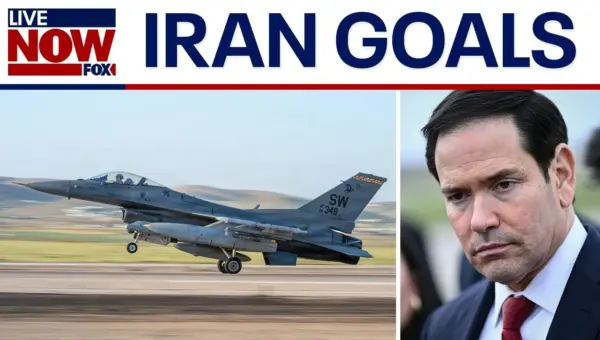
Rubio: US Can Achieve Iran War Goals Without Troops
Senator Marco Rubio outlined a strategy to counter Iran without deploying U.S. ground troops, focusing on weakening the regime and enhancing maritime security. He also criticized Cuba's economic system and expressed concerns about West Bank violence.