Trump’s Iran Gamble: Allies Balk as War Risks Mount
President Trump's approach to the Iran crisis is creating friction with allies and raising concerns about escalation. Conflicting messages about needing help and the potential for U.S. troops on the ground highlight a strategy to avoid direct conflict. The situation is complicated by economic pressures and a transactional view of alliances, leaving the U.S. facing difficult choices.

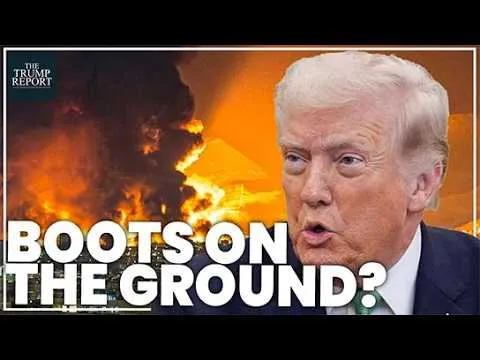
Trump’s Iran Gamble: Allies Balk as War Risks Mount
The United States finds itself in a tense standoff with Iran, and President Trump’s approach is creating friction with allies and sparking worry at home. The situation in the Strait of Hormuz, a vital waterway for oil shipments, has escalated. This has led to conflicting messages from the White House about seeking help from allies, creating confusion about the administration’s true goals and strategy.
Conflicting Calls for Help
President Trump has sent mixed signals regarding the need for allies to join efforts in the Strait of Hormuz. At times, he has criticized NATO countries for not helping, stating, “We protected you for decades. Now you won’t help us in Iran?” Yet, he has also declared that the U.S. “doesn’t need you” and could manage the situation alone, boasting about the U.S. Navy’s strength. This back-and-forth makes it difficult to understand if allies are truly needed or if this is a tactic to pressure them.
The “Boots on the Ground” Dilemma
Sources close to the White House suggest the core of this strategy is to avoid sending U.S. troops onto Iranian soil. Deploying troops would be a major step and a “political landmine” for President Trump, as it goes against the wishes of a significant part of his base. The hope is that by getting allies to contribute naval forces, the U.S. can secure the strait and protect oil tankers without having to put American soldiers in harm’s way. This is seen as a way to de-escalate the immediate risk of direct conflict.
Escalation Fears and Historical Parallels
If U.S. troops are eventually sent, there’s a strong concern that the conflict could become a long, drawn-out war, similar to the situations in Iraq. This fear of a protracted conflict is shared by many inside and outside the White House. The administration’s past actions, like targeted strikes on facilities or operations in Venezuela, are seen as different from the potential quagmire Iran could become. The current situation, with personal losses for Iran’s leadership, makes a peaceful resolution even harder.
NATO and Transactional Alliances
President Trump’s frustration with allies extends to NATO. He has frequently questioned the value of the alliance, viewing it as a one-sided deal where the U.S. pays too much for the defense of other nations. His threats to withdraw from NATO, while not new, gain more weight when allies don’t seem to step up to his requests. However, it’s important to note that NATO is a defensive alliance designed to protect against direct attacks on member states, not necessarily to secure economic interests like oil shipments in the Middle East.
Economic Pressure and Shifting Strategies
The Strait of Hormuz plays a crucial role in global oil supply. If it remains blocked, oil prices will continue to rise, impacting countries worldwide. The U.S. is hoping that the economic pain felt by European countries will push them to offer naval support. Meanwhile, European allies are watching the domestic pressure President Trump faces during election cycles, hoping it might lead him to handle the situation differently. This creates a standoff where both sides are waiting for the other to break.
Many foreign leaders find President Trump unpredictable, making traditional diplomatic relationships difficult. This has led some countries, particularly in Latin America, to adapt to his transactional approach. There’s a sense that the U.S. strategy in Iran may have been based on an oversimplified view, similar to the approach taken in Venezuela, without fully anticipating the consequences or the complexities of regime change in Iran.
Internal Divisions and Expert Warnings
The war in Iran has exposed divisions within the Republican party and the Trump administration. Joe Kent, head of the National Counterterrorism Center, resigned, stating the war was not justified and that Iran was not an imminent threat. His departure highlights a segment of the party skeptical of intervention and questioning the U.S. role in conflicts driven by foreign influence, such as from Israel. This contrasts with figures like Senator Lindsey Graham, who strongly support Israel and shaping policy.
President Trump’s public focus has shifted away from regime change towards securing the Strait of Hormuz and degrading Iran’s military capabilities, driven by economic concerns. This is a departure from earlier rhetoric and may indicate a divergence from Israel’s objectives. The justification for the initial strike remains unclear, with conflicting statements from the administration about the imminence of the threat.
Furthermore, reports suggest that government cuts removed key experts on global energy markets from the State Department. This loss of institutional knowledge, particularly in areas like oil supply chains and crisis response, may leave the U.S. less prepared to handle an oil crisis. Experts warn that this lack of specialized knowledge could hinder effective decision-making during critical moments.
The administration’s decision-making process is often described as top-down, with President Trump making final calls based on advice from a select group of advisors. This CEO-like approach, while seen by some as decisive, can lead to a loss of detailed expertise and thorough analysis that a more traditional bureaucratic process might provide. The current situation in Iran, coupled with domestic economic pressures, presents a significant challenge for the White House.
Why This Matters
The situation with Iran is critical because it involves potential military conflict, global economic stability, and the future of international alliances. President Trump’s “America First” approach and his transactional view of foreign policy create uncertainty for allies and adversaries alike. The lack of clear communication and the reliance on a small circle of advisors, combined with cuts to expert agencies, raise serious questions about the U.S. preparedness for such a complex geopolitical challenge. The economic impact, visible in rising gas prices, directly affects American citizens, making the administration’s handling of this crisis a key issue for domestic politics and future elections.
Implications, Trends, and Future Outlook
The immediate future hinges on whether allies will provide naval support or if the U.S. will proceed alone, risking further escalation and prolonged conflict. The economic consequences for global energy markets will continue to be a major factor. Trends suggest a growing divide between the U.S. and some traditional allies, driven by differing foreign policy philosophies. The administration’s ability to navigate this situation without triggering a wider war or severe economic backlash will define its foreign policy legacy. The upcoming elections will likely be influenced by how Americans perceive the handling of this crisis and its impact on their daily lives.
Historical Context and Background
Tensions between the U.S. and Iran have a long history, marked by events like the 1979 revolution and subsequent hostage crisis. U.S. policy under President Trump has aimed to counter Iran’s influence in the Middle East, including withdrawing from the Iran nuclear deal and imposing sanctions. The Strait of Hormuz has been a flashpoint before, with past incidents involving naval vessels and oil tankers. The current events build upon decades of complex and often adversarial relations, with shifting strategies and objectives on both sides.
Source: Trump faces explosive Iran 'landmine' — and may have to detonate it (YouTube)

Related Articles


Trump’s Iran Claims: Shocked or Deluded by War Games?
Donald Trump claimed surprise over Iran's actions in the Strait of Hormuz, but experts suggest retaliation was inevitable. Military war games likely predicted such a scenario, raising questions about the advice given to the President.

Israel’s Strategy Against Iran Revealed
Israel's strategy to counter Iran's nuclear ambitions and regional influence centers on containment, utilizing a mix of covert military actions, intelligence operations, and diplomatic pressure. Analysts highlight the growing urgency due to Iran's nuclear advancements, while also noting the persistent risk of escalation in the volatile Middle East.

Israel Eyes Lebanon Buffer Zone: A Political Ploy?
Israel's military operations in southern Lebanon aim to create a buffer zone and pressure Hezbollah, according to expert Yazid Sayigh. He argues the strategy is more political than military, echoing historical tactics. The ongoing conflict could destabilize Lebanon further, while Hezbollah fights for survival.