Trump’s Iran Gamble: A Leader Lost in the Bluster?
Critics claim Donald Trump lacks understanding of foreign policy, particularly regarding Iran, leading to a dangerous situation. Falling poll numbers and a base questioning his actions suggest he's in a political bind.

Trump’s Iran Gamble: A Leader Lost in the Bluster?
Donald Trump, a figure known for his bold pronouncements, appears to be in a serious bind regarding his foreign policy decisions, particularly concerning Iran. Critics argue that his approach lacks depth and understanding, leading to potentially dangerous missteps. This analysis examines the claims that Trump is out of his depth, the reasons behind his current predicament, and what it means for the nation.
A Critic’s Harsh Assessment
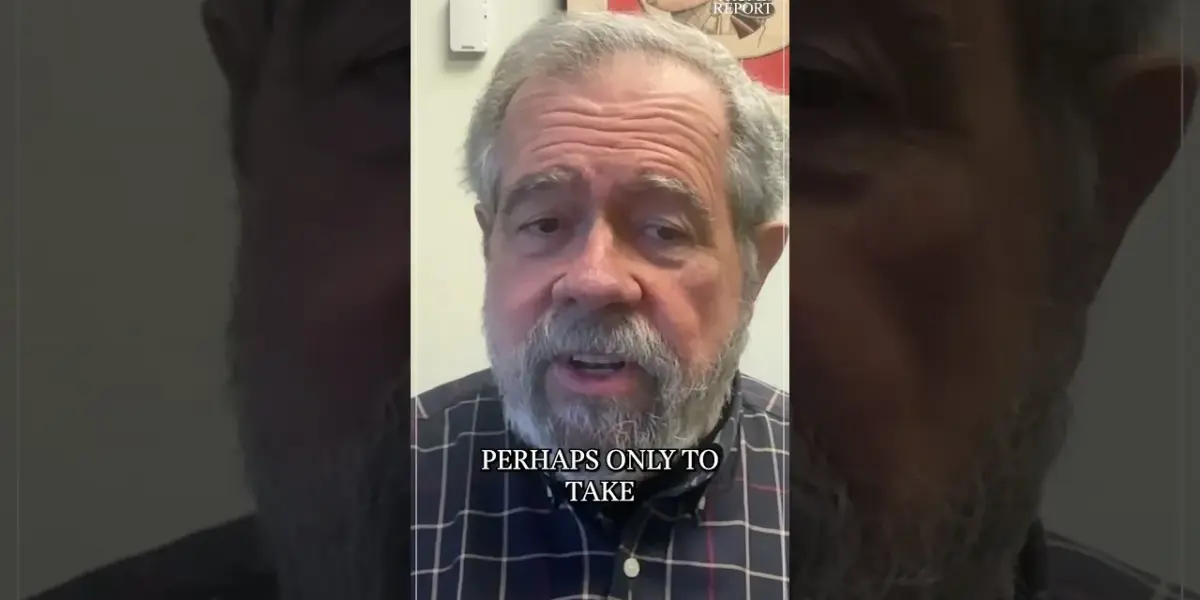
One vocal critic, who has known Trump since 1988 and labels him a “con artist,” suggests that Trump has no real grasp of the complex issues he faces. The argument is that Trump’s public persona is all show and no substance. For instance, if asked about the deep-rooted religious divide between Sunni and Shia Muslims, a matter with significant national security implications, the critic claims Trump would likely deflect by talking about something superficial, like the decor of the White House. This points to a perceived lack of knowledge on critical global affairs.
The Specter of a Ground Assault
The concern is that this lack of understanding could lead to rash decisions. There’s a fear that Trump might order a ground invasion, perhaps aimed at taking a specific island. However, this idea has been previously dismissed by other presidents. The reason is simple: such a move could turn American forces into easy targets for enemy drones and missiles. It could also endanger vital oil facilities, making them vulnerable and useless.
Falling Polls and a Troubled Base
Trump’s current situation is made more difficult by his declining public approval. A poll from Fox News, a network known for its reliable polling, shows a significant disapproval rate for his actions in Iran. More than 60% of those surveyed disapproved of his Iran policy, and nearly 60% disapproved of his overall performance. These numbers suggest a growing public unease with his leadership. This trend is worrying for any politician, especially one who built his campaign on promises to end foreign entanglements.
Caught Between Promises and Reality
Trump seems to be struggling to reconcile his past promises with his current actions. He campaigned on a platform of “no more endless foreign wars” and warned voters that his opponent would lead them into conflict with Iran. Now, his administration is deeply involved in a tense standoff with the same country. He is reportedly trying to find a way out of this difficult spot, likely concerned about how his core supporters, the MAGA base, will react to this apparent contradiction.
Why This Matters
This situation highlights a critical question about leadership in foreign policy. When a president’s decisions are perceived as lacking deep understanding or being driven by bluster, the consequences can be severe. The stakes are incredibly high when dealing with international relations, and misunderstandings can lead to conflict, economic instability, and loss of life. The public’s trust in leadership is also on the line, especially when campaign promises seem to be abandoned.
Historical Context
Throughout history, leaders have faced challenges in navigating complex foreign policy landscapes. The Middle East, with its intricate web of religious, political, and economic factors, has been a persistent source of difficulty for many American presidents. From the Eisenhower administration to the present day, U.S. involvement in the region has been marked by both attempts at diplomacy and direct military action, often with mixed and unpredictable results. The current tensions with Iran are part of a long and complicated history between the two nations, including the 1953 coup, the Iran hostage crisis, and the ongoing nuclear program disputes.
Trends and Future Outlook
The current situation reflects a broader trend of increased polarization in American politics, which extends to foreign policy. Debates over military intervention, international agreements, and diplomatic strategies are often framed in stark, partisan terms. For Trump, the challenge is to manage these complex international relations while maintaining the support of his base, who may be wary of further foreign entanglements. The future outlook depends heavily on whether a diplomatic solution can be found, or if tensions will continue to escalate, potentially drawing the U.S. into a conflict it promised to avoid.
Ultimately, the effectiveness of any leader’s foreign policy relies on a solid understanding of the issues at hand, careful consideration of the potential consequences, and the ability to communicate a clear and consistent strategy. The allegations against Trump suggest a disconnect between his public image and the realities of complex global challenges, leaving many to wonder about the direction of U.S. foreign policy.
Source: Trump's in a pickle and 'has no idea what he's doing' (YouTube)

Related Articles
China Aiding Iran, Damaging US Jets: Expert Warns
China is accused of providing intelligence to Iran, which may have led to the destruction of a $700 million U.S.-backed early warning jet. This accusation surfaces as President Trump prepares to meet with Chinese President Xi Jinping amidst rising geopolitical tensions.
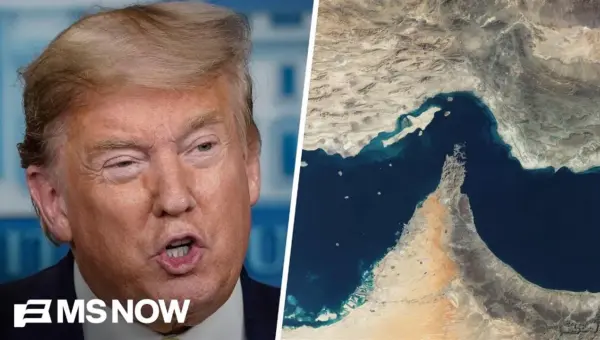
Iran Gains Leverage as US War Strategy Falters at Hormuz
The Strait of Hormuz faces significant disruption as Iran effectively blocks the waterway amid ongoing conflict, leading to a sharp rise in global oil prices. Experts warn that a U.S. withdrawal without securing the strait would empower Iran, allowing it to control passage and collect substantial tolls.
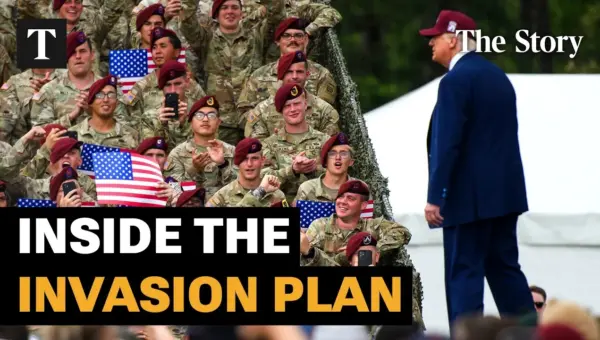
Trump Eyes Iran’s Oil Hub: Could Kharg Island Invasion Happen?
Tensions between the US and Iran are escalating, with former President Donald Trump expressing a long-held desire to control Iran's vital oil export hub, Kharg Island. Military experts assess the complex risks and potential scenarios of a US strike, while Iran vows fierce resistance. The situation carries significant geopolitical and economic implications.