Trump’s Iran Gamble: A Diplomatic Meltdown Unfolds
A critical analysis of Donald Trump's foreign policy, particularly concerning Iran, reveals claims of a spiraling war, fractured alliances, and a chaotic approach. The podcast highlights a disconnect between social media narratives and documented failures, raising concerns about global stability and U.S. leadership.

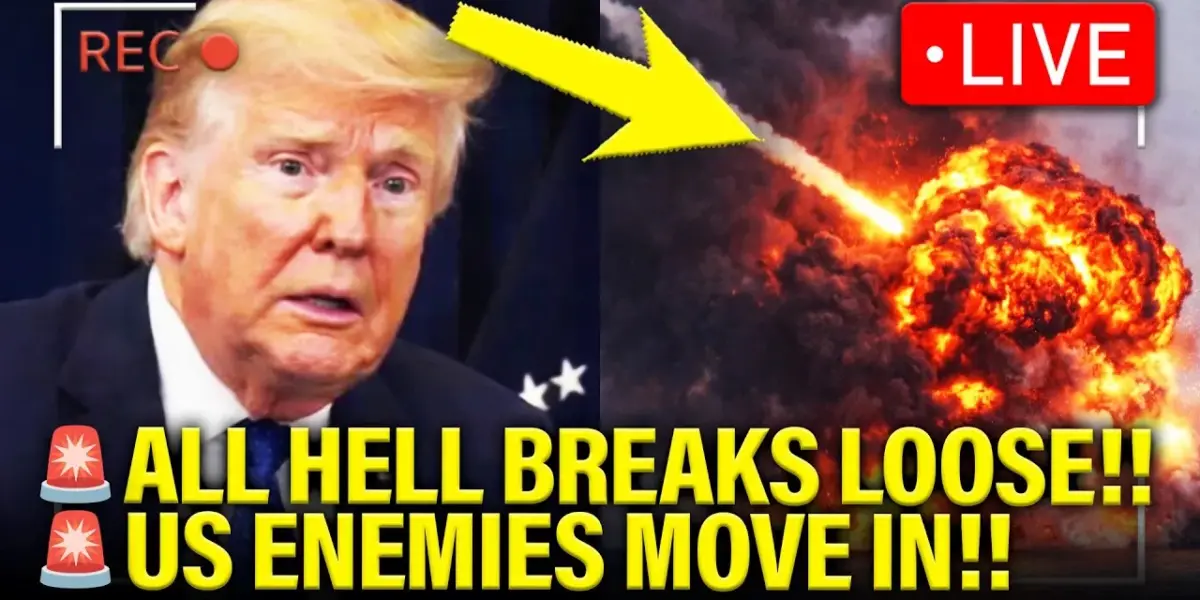
Trump’s Iran Gamble: A Diplomatic Meltdown Unfolds
The current geopolitical landscape, as described in a recent MeidasTouch Podcast episode, paints a grim picture of Donald Trump’s foreign policy, particularly concerning Iran. The narrative emerging suggests a significant strategic and diplomatic failure, characterized by escalating conflict and increasing international isolation. This analysis delves into the claims of a spiraling war effort, the impact of social media narratives versus documented facts, the growing distance of U.S. allies, and the concerning implications of further imperial threats.
Escalating Conflict and a Social Media War
The podcast episode posits that Donald Trump’s approach to Iran has led to a war that is “spiraling out of control.” This assertion suggests a situation where events are no longer manageable or predictable, potentially leading to unforeseen consequences. Compounding this, the transcript highlights a stark contrast between Trump’s public pronouncements and the reality on the ground. It claims Trump has been “flooding social media with false claims about the war effort,” while “documented facts reveal a mounting strategic and diplomatic failure.” This dichotomy between online rhetoric and verifiable outcomes is a recurring theme in analyzing Trump’s presidency, raising questions about the efficacy of his communication strategy and its potential to mislead the public about the true state of international affairs.
The Erosion of Alliances
A significant element of the podcast’s critique centers on the reaction of U.S. allies. The transcript states that “longtime U.S. allies are increasingly distancing themselves from Trump’s reckless approach, making clear that he’s on his own as the crisis escalates.” This indicates a profound breakdown in traditional diplomatic relationships. Historically, the strength of U.S. foreign policy has often relied on a coalition of allies to exert influence and achieve common goals. When these alliances fracture, particularly during a period of escalating international tension, it can severely weaken a nation’s diplomatic leverage and operational capacity. The implication is that Trump’s unilateral and potentially erratic decision-making has alienated partners, leaving the U.S. isolated in a critical geopolitical confrontation.
Imperial Threats and a Chaotic Foreign Policy
Adding another layer of concern, the episode mentions Trump “lashing out with new imperial threats toward Cuba, raising further alarms about the administration’s chaotic foreign policy.” This suggests a pattern of behavior that extends beyond the Iran crisis, indicating a broader trend of unpredictable and potentially destabilizing foreign policy actions. The invocation of “imperial threats” is particularly charged, evoking historical precedents of aggressive expansionism and interventionism. Such rhetoric, especially when directed at a nation with a complex and often fraught relationship with the United States like Cuba, can exacerbate regional tensions and further damage America’s standing on the global stage. The characterization of the administration’s foreign policy as “chaotic” implies a lack of coherent strategy and a reliance on impulsive actions.
Historical Context and Precedents
To understand the gravity of these claims, it’s essential to consider historical parallels. The U.S. has a long and often contentious history of engaging with Iran, marked by periods of intense rivalry, covert actions, and diplomatic standoffs. The breakdown of the Joint Comprehensive Plan of Action (JCPOA) under the Trump administration, for instance, significantly altered the relationship and heightened tensions. Similarly, U.S.-Cuba relations have been a consistent feature of American foreign policy since the Cuban Revolution, with periods of détente and renewed hostility. The current situation, as described, appears to echo past instances where aggressive posturing and a disregard for international consensus have led to increased instability and diplomatic isolation for the United States. The concept of “reckless approach” and “chaotic foreign policy” can be seen as a return to or amplification of such historical tendencies, potentially leading to outcomes similar to past miscalculations.
Why This Matters
The implications of a failing war effort, alienated allies, and erratic foreign policy are profound. For the United States, it risks diminished global influence, increased security threats, and potential economic repercussions. For the regions involved, it could mean prolonged conflict, humanitarian crises, and further destabilization. The disconnect between public statements and factual outcomes also erodes public trust in government and its handling of critical national security issues. The described scenario highlights the importance of strategic foresight, robust diplomatic engagement, and a consistent, alliance-based foreign policy. It underscores the dangers of a policy driven by social media narratives or impulsive decisions, especially when dealing with complex international conflicts.
Trends and Future Outlook
The alleged trajectory of Trump’s foreign policy, characterized by unilateralism and strained alliances, points to a potential future where the U.S. plays a less collaborative and more isolated role on the world stage. If this approach continues, it could lead to a reshuffling of global power dynamics, with other nations stepping in to fill perceived leadership vacuums. The reliance on social media for diplomatic messaging also represents a significant shift, potentially prioritizing short-term political gains over long-term strategic stability. The future outlook, based on these observations, suggests a continued period of uncertainty and volatility in international relations, with a heightened risk of miscalculation and escalation in critical geopolitical hotspots.
The MeidasTouch Podcast’s critique, while specific to the context of the Iran war and Cuba threats, serves as a broader commentary on the nature of contemporary political discourse and its impact on foreign policy. It raises critical questions about accountability, the role of truth in governance, and the long-term consequences of leadership decisions in an interconnected world.
Source: LIVE: Trump FAILS MISERABLY in IRAN WAR!!! – 3/16/26 (YouTube)

Related Articles
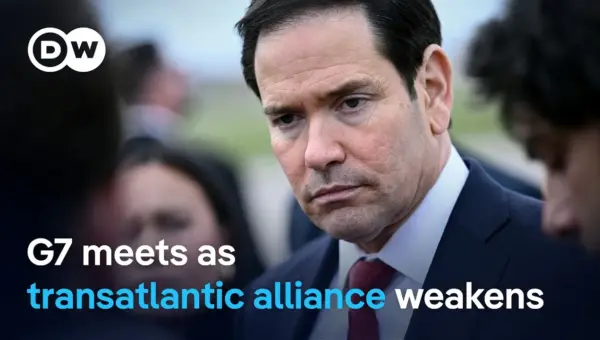
G7 Allies Clash Over Iran War Strategy, Urge Focus on Russia
G7 foreign ministers met in Paris, revealing deep divisions over the U.S. war with Iran. European allies urged the U.S. to pressure Russia, linking its actions to the conflict and fearing support for Ukraine will wane.

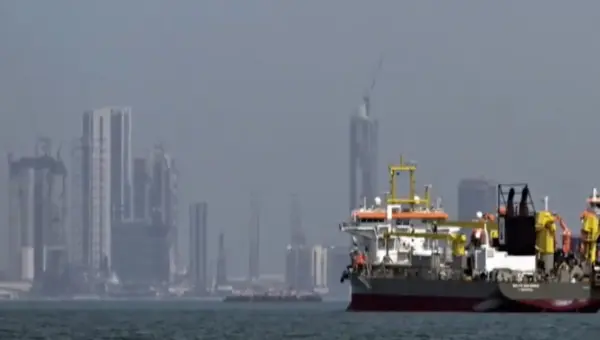
Iran Blocks China Ships, Exposing Beijing’s Weak Grip
Iran's recent decision to block Chinese ships at the Strait of Hormuz is exposing the limits of Beijing's influence in the Middle East. This action is causing delays and cancellations for Chinese manufacturers, turning a perceived geopolitical win into an economic strain.
Trump’s “Walk Away” Tactic Signals Tougher Stance on China
Retired Air Force Brigadier General David Stillwell believes President Trump's strategy of being willing to walk away from negotiations puts pressure on China. This tactic, combined with US global actions and strengthened alliances, signals a more assertive American foreign policy.