Trump’s Iran Gambit Unravels Amidst Global Backlash
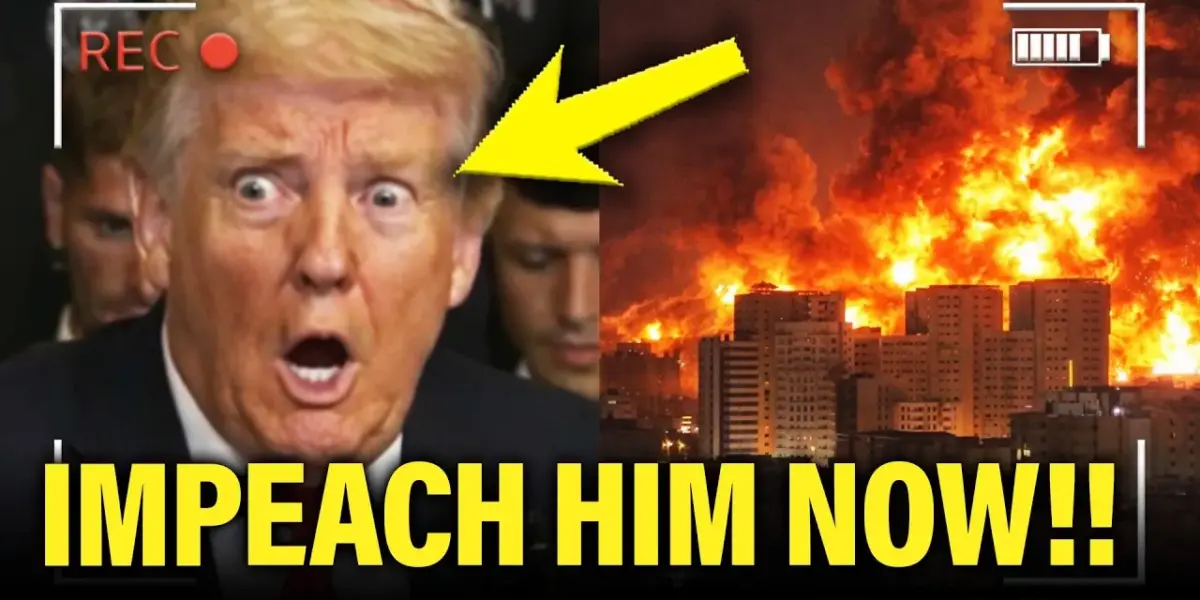
Donald Trump's alleged invasion of Iran has sparked a cascade of negative consequences, from potential domestic attacks and rising gas prices to fractured alliances and deep internal divisions. The operation's unclear objectives and the human cost, including disturbing allegations of civilian casualties, are under intense scrutiny.

Trump’s Iran Gambit Unravels Amidst Global Backlash
In the volatile landscape of international relations, the decision to engage in military conflict is often fraught with unforeseen consequences. When former President Donald Trump initiated what the transcript describes as an “unlawful invasion of Iran,” the repercussions appear to be far more complex and destabilizing than initially anticipated. Far from a swift, decisive victory, the situation has devolved into a quagmire, marked by escalating global tensions, economic strain, and a significant erosion of diplomatic trust.
A President’s Reckless Acknowledgment
The transcript highlights a concerning nonchalance from Trump regarding the potential for retaliatory attacks on American soil. In an interview with Time magazine, he casually dismissed the possibility, stating, “I guess that can take place.” When pressed on the human cost of war, his response was stark: “Look, when you go to war, some people will die. That’s just the way it is. Nothing we can do about it.” This cavalier attitude towards American lives and the broader implications of conflict raises serious questions about the strategic thinking behind the operation.
Adding to the economic anxieties, the specter of rising gas prices looms large. With crude oil prices projected to surpass $90 a barrel, Trump’s dismissal of public concern is striking. “I don’t have any concern about it. They’ll drop very rapidly when it’s over. And if they rise, they rise. But this is far more important than having gasoline prices go up a little bit,” he reportedly stated. This prioritization of a war with undefined objectives over the economic well-being of citizens underscores a fundamental disconnect.
Questionable Objectives and Eroding Alliances
The transcript pointedly questions the stated goals of the military action. Is the objective truly regime change, replacing the current leadership with a potentially more extreme faction? Or is it a broader aim to destabilize the region, potentially shutting down the Strait of Hormuz? The consequences for regional allies, who were allegedly invited to a “fake board of peace” and had their money taken, are dire. These nations, once allied with the U.S., are now reportedly considering pulling investments due to the perceived insecurity created by American actions.
Internal Divisions and Media Scrutiny
The conflict has also exposed deep fissures within conservative media and political circles. Trump’s public denunciation of Tucker Carlson, who labeled the Iran war “disgusting and evil,” reveals a significant rift. Trump’s assertion that Carlson is “not MAGA” and “not smart enough to understand” the movement’s goals highlights a struggle for ideological control. This internal conflict distracts from the complex realities of the foreign policy crisis.
Furthermore, Trump’s framing of military operations as “performances” draws sharp criticism. His self-congratulatory remarks to ABC News’ Jonathan Karl, comparing the Iran operation to Venezuela and asking, “How do you like the performance?” are met with skepticism. While corporate media might shy away from questioning the immediate success of military actions, the transcript argues that the broader impact is far from positive. Attacks continue in Bahrain, Kuwait, the UAE, Saudi Arabia, and Qatar, and the Strait of Hormuz remains effectively shut down.
The Human Cost and the AI Question
A particularly disturbing allegation within the transcript is the potential U.S. involvement in bombing an elementary school in Manbij, Iran, resulting in the deaths of approximately 150 children and staff. The transcript raises the chilling question of whether Artificial Intelligence played a role in this tragedy, referencing the U.S. military’s use of advanced AI systems, including Anthropics Claude partnered with the Maven Smart system, for target identification. The potential for autonomous killings and the lack of human oversight in such devastating incidents are deeply concerning and demand thorough investigation.
Diplomatic Impasse and Shifting Global Dynamics
Iran’s foreign minister, in interviews with NBC, explicitly stated that Iran has no intention of negotiating with the United States, citing past instances where negotiations were followed by U.S. attacks. This sentiment is echoed by Iranian officials who report that despite previous progress in talks, subsequent actions by the U.S. have derailed any potential for détente.
The transcript also critiques the U.S. State Department’s reaction to CNN’s reporting from Iran. When a CNN reporter described open shops, well-stocked markets, and readily available fuel without signs of panic, a State Department spokesperson allegedly urged media outlets to “verify information with official U.S. government sources before publication.” This push for state-sanctioned narratives is contrasted with the reality on the ground as observed by the reporter.
A Plea for Help and a Betrayal of Allies
In a striking turn of events, the transcript suggests that the U.S. has had to seek assistance from Ukrainian President Zelenskyy on how to defend against Iranian drones and missiles, given Ukraine’s experience in combatting such threats. This reliance on a foreign partner, even one receiving significant U.S. aid, highlights a potential gap in American military preparedness or strategic deployment for this specific conflict.
However, the gratitude for Ukraine’s willingness to help is immediately overshadowed by a U.S. Treasury decision to issue a temporary waiver allowing Indian refineries to purchase Russian oil. This move is seen as a betrayal, particularly as it occurs after Ukraine’s offer of assistance, and it undermines efforts to isolate Russia economically.
The Kurds’ Distrust and a Looming Threat
The transcript details a profound sense of betrayal felt by the Kurdish people, who have historically been allies in the fight against terrorism. Statements attributed to Kurdish accounts express deep distrust of the “Trump regime,” citing instances in 2017, 2019, and 2026 where they felt abandoned to face enemies alone. Despite this history, the Kurds are reportedly refusing to invade Iran, despite alleged threats and coercion from the Trump administration. Reports suggest that Trump even leaked false information about Kurdish incursions into Iran in an attempt to provoke an Iranian response against them.
Why This Matters
The unfolding situation in Iran, as depicted in the transcript, represents a critical juncture in American foreign policy and its global standing. The alleged “unlawful invasion” has not only failed to achieve clear objectives but has also exacerbated regional instability, strained international alliances, and potentially led to devastating human casualties, including the tragic loss of civilian lives, particularly children. The dismissal of economic concerns, the internal political schisms, and the apparent erosion of trust with key allies paint a grim picture of a unilateral and potentially ill-conceived foreign policy.
Implications, Trends, and Future Outlook
The implications of this conflict are far-reaching. The reliance on AI in warfare, the potential for unintended escalation, and the weakening of diplomatic channels are significant trends that demand global attention. If the U.S. continues down this path of unilateral action with unclear objectives and questionable strategic partnerships, its influence and credibility on the world stage will likely diminish further. The future outlook suggests a continued period of heightened tension in the Middle East, with potential for wider conflict and a significant economic impact globally, particularly on energy markets.
Historical Context and Background
The history of U.S. involvement in the Middle East is complex and often controversial. From the interventions following World War II to the ongoing conflicts in Iraq and Afghanistan, the region has been a focal point of U.S. foreign policy. The current situation echoes past instances where military actions, undertaken with assurances of swift success, have led to protracted engagements, regional destabilization, and unintended consequences. The concept of regime change, while sometimes framed as a tool for promoting democracy, has historically been a contentious and often destabilizing policy in the region. The current conflict appears to be another chapter in this long and often tragic narrative.
Source: Trump Finally CRACKS as WAR has NO EXIT!! (YouTube)

Related Articles


Iran Nuclear Tensions Spark Global Oil Shock
A coordinated military strike on Iran's nuclear facilities and naval assets has triggered retaliation, disrupting critical oil supplies and reserves in the Persian Gulf. The geopolitical escalation poses significant risks to global energy markets and the broader economy.
US War on Iran: Escalation Risks and Global Fallout
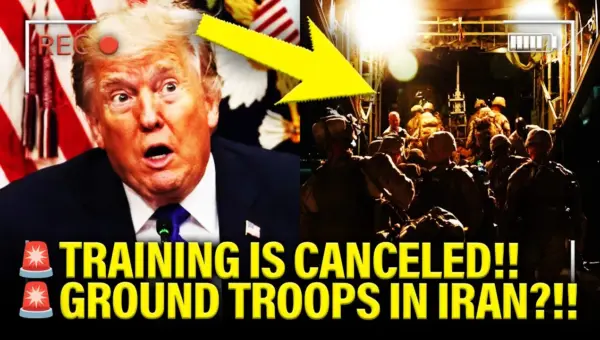
As the US war against Iran escalates, alarming reports suggest potential ground troop deployment and the involvement of Russia and China. This analysis delves into the geopolitical risks, economic fallout, and questionable intelligence surrounding the conflict.
Putin’s Spring Offensive: Russia Targets Ukraine’s Infrastructure
Russia is escalating its attacks on Ukraine's critical infrastructure, including energy, water, and rail systems, as part of a perceived desperate strategy to destabilize the country. Analysts believe these moves signal a shift from an expected swift victory to a prolonged campaign of attrition. The Kremlin's actions also come amidst internal political maneuvering within Ukraine and ongoing, albeit stalled, peace negotiations.