Trump’s Iran Gambit: Desperate Pleas Reveal Foreign Policy Chaos
Donald Trump's recent statements on Iran reveal a foreign policy in disarray, marked by contradictory claims of Iran's decimation and a desperate plea for global help. The situation highlights a lack of preparation, inconsistent rationales for military action, and the problematic alienation of allies.

Trump’s Iran Gambit: Desperate Pleas Reveal Foreign Policy Chaos
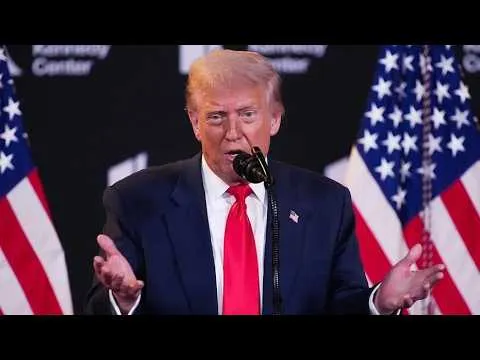
In a stark display of apparent panic, former President Donald Trump’s recent pronouncements on Truth Social reveal a foreign policy strategy in disarray, marked by contradictory statements and a desperate plea for international cooperation. The former President’s assertion that the United States has “completely and utterly decimated” Iran, while simultaneously calling for global assistance to secure vital shipping lanes, highlights a fundamental incoherence that has drawn sharp criticism.
The Contradiction at the Core
Trump’s post declared, “The United States of America has beaten and completely decimated Iran, both militarily, economically, and in every other way. But the countries of the world that receive oil through the Hormuz Strait must take care of that passage, and we will help a lot.” This statement immediately raises a critical question: if Iran is so thoroughly defeated, why is international help necessary to prevent it from disrupting global oil flow through the Strait of Hormuz? The implication is that Iran, despite claims of decimation, possesses the capability and willingness to pose a significant threat to a critical global chokepoint.
Analysts point out that this situation could stem from a lack of preparation and foresight. The predictable Iranian response to military action, namely the potential disruption of the Strait of Hormuz—through which approximately 20% of the world’s oil passes—seems to have been underestimated or ignored. This oversight is particularly concerning given the presence of numerous foreign policy and Middle East experts within the U.S. government, whose advice Trump reportedly disregarded.
A War Without a Clear Rationale?
Adding to the confusion is the apparent lack of a clear, consistent rationale for the conflict. Trump’s administration has shifted its justifications, from destroying Iran’s nuclear capabilities (a claim previously made and seemingly resolved) to preventing missile strikes, addressing proxies, or naval threats. This inconsistency leaves the public and allies questioning the true objectives and the foundation upon which the military action was launched.
Furthermore, the conflict appears to be remarkably unpopular domestically at its outset. The transcript notes that Trump “didn’t even make the case for this war among Americans right here in his own country,” contributing to its low public support, a rarity in modern American history.
Alienating Allies, Seeking Help
Perhaps the most ironic aspect of Trump’s current posture is his simultaneous alienation of traditional U.S. allies and his subsequent request for their assistance. For years, Trump has engaged in rhetoric and actions that have strained relationships with key global partners, including European nations, Canada, and Mexico. He has also notably courted Russia, a country now reportedly aiding Iran against the United States.
“The country for which Donald Trump has alienated our allies is actively working against the United States in Trump’s war with Iran.”
This dynamic—isolating allies while needing their cooperation—underscores a fundamental misunderstanding of international diplomacy and collective security. The value of alliances, often downplayed by Trump’s “America First” approach, becomes glaringly apparent when facing complex geopolitical challenges that transcend national borders.
The Russia Connection: A Complicating Factor
The reported intelligence sharing between Russia and Iran adds another layer of complexity and concern. While Trump has been reluctant to condemn Russia’s actions, U.S. officials have acknowledged the strategic partnership between Moscow and Tehran. This situation creates a challenging environment where a U.S. adversary is allegedly assisting another nation targeted by U.S. military action. The administration’s response, or lack thereof, to Russia’s alleged involvement raises further questions about its strategic priorities and its ability to manage a multi-front geopolitical challenge.
Historical Context and Future Outlook
The situation echoes past instances where U.S. foreign policy decisions in the Middle East have led to unforeseen consequences and prolonged engagement. The complexities of the region, coupled with the volatile nature of U.S. leadership’s approach, suggest a precarious future. The transcript notes the inherent difficulty in managing the Middle East, a sentiment that seems to have been underestimated in the rush to military action.
The current crisis highlights a recurring theme in international relations: the tension between unilateral action and multilateral cooperation. Trump’s approach, characterized by transactional relationships and a skepticism towards international institutions and alliances, now appears to be yielding the very isolation it sought to overcome, forcing a reliance on the very global partnerships it had previously denigrated.
Why This Matters
The unfolding situation in the Strait of Hormuz and its broader implications for regional stability and global energy markets are of paramount importance. The apparent lack of a coherent strategy, the erosion of alliances, and the potential for escalation carry significant risks. For the American public, this translates to potential economic repercussions, such as rising oil prices, and the human cost of military conflict, including the loss of service members’ lives.
For the international community, this episode underscores the fragility of global security when major powers act without broad consensus or a clear, shared understanding of objectives. The reliance on international cooperation, even after years of challenging those very relationships, suggests a pragmatic necessity that transcends political rhetoric.
Implications and Future Trends
The events surrounding Iran’s actions and the U.S. response suggest several key implications. Firstly, the need for robust intelligence and expert analysis in foreign policy decision-making cannot be overstated. Secondly, the long-term consequences of alienating allies are profound, potentially leaving the U.S. isolated in moments of critical need. Thirdly, the entanglement with Russia’s geopolitical maneuvering adds a dangerous dynamic to an already volatile region.
The future outlook points towards continued volatility. The U.S. may find itself attempting to rebuild diplomatic bridges while simultaneously managing the fallout of military actions. The effectiveness of such efforts will depend on a return to consistent, well-reasoned foreign policy principles that prioritize both national security and international cooperation. The current crisis serves as a potent reminder that foreign policy is not merely about projecting strength but also about strategic foresight, diplomatic acumen, and the cultivation of enduring partnerships.
Source: Trump makes DESPERATE PLEA as PANIC sets in (YouTube)

Related Articles

G7 Allies Clash Over Iran War Strategy, Urge Focus on Russia
G7 foreign ministers met in Paris, revealing deep divisions over the U.S. war with Iran. European allies urged the U.S. to pressure Russia, linking its actions to the conflict and fearing support for Ukraine will wane.

Iran Blocks China Ships, Exposing Beijing’s Weak Grip
Iran's recent decision to block Chinese ships at the Strait of Hormuz is exposing the limits of Beijing's influence in the Middle East. This action is causing delays and cancellations for Chinese manufacturers, turning a perceived geopolitical win into an economic strain.
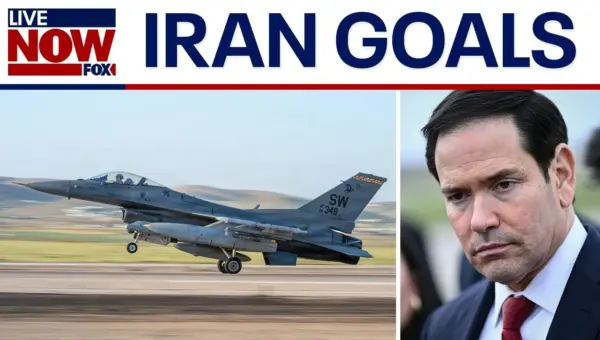
Rubio: US Can Achieve Iran War Goals Without Troops
Senator Marco Rubio outlined a strategy to counter Iran without deploying U.S. ground troops, focusing on weakening the regime and enhancing maritime security. He also criticized Cuba's economic system and expressed concerns about West Bank violence.