Trump’s Iran Gambit Backfires, Allies Fume Over Unilateral Attack
Donald Trump's administration reportedly launched an attack on Iran, leaving key Middle Eastern allies furious and feeling betrayed. The unilateral decision, made without consultation, has exposed the fragility of regional alliances and the dangerous repercussions of unchecked foreign policy.

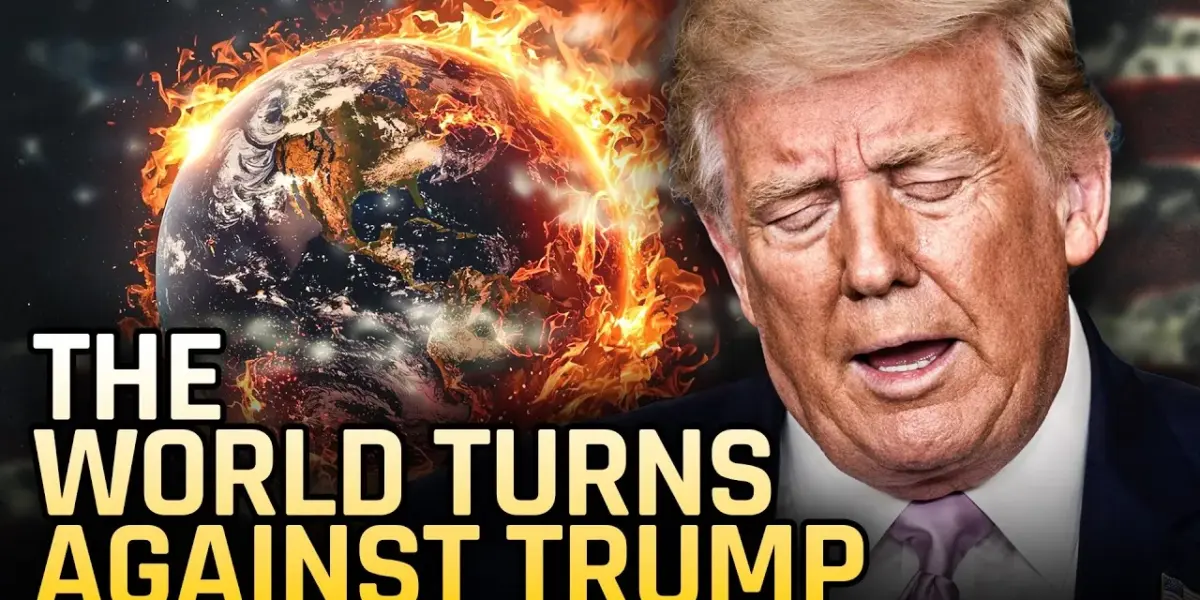
Trump’s Iran Gambit Backfires, Allies Fume Over Unilateral Attack
In a move that has sent shockwaves through the Middle East, former President Donald Trump’s administration reportedly initiated an attack on Iran, a decision that has left many of America’s regional allies furious and feeling blindsided. The fallout from this unilateral action highlights a complex web of geopolitical alliances, questionable partnerships, and the dangerous repercussions of unchecked foreign policy decisions.
A Troubled Alliance Network
The United States maintains a diverse range of allies in the Middle East, some of whom are characterized by their problematic human rights records. Saudi Arabia, a key partner, is frequently cited for actions that mirror the very criticisms Republicans have leveled against Iran’s leadership. The transcript notes that while the Ayatollah has been accused of murdering dissidents, Saudi Arabia has also engaged in brutal acts, including the mass execution of over 200 individuals for offenses as minor as tweeting negatively about the government. Despite such actions, the U.S. has maintained close ties, with figures like Crown Prince Mohammed bin Salman being treated as esteemed international figures.
Adding another layer of complexity, allies like the United Arab Emirates (UAE) have reportedly invested billions of dollars into Donald Trump’s ventures, including cryptocurrency initiatives. This suggests a transactional relationship, where financial interests may heavily influence diplomatic and strategic alignments.
The Fallout: Betrayal and Fear
The core of the allies’ anger stems from a perceived lack of consultation and the dangerous consequences of the attack. The transcript quotes CNN national security analyst David Sanger, who points out the shift in focus from cooperation on infrastructure projects like data centers to the current crisis. The Iranian strategy, in response to the attack, is not solely focused on U.S. bases but targets the financial engines of these allied nations. The goal appears to be to demonstrate that the price of aligning with the U.S. is unacceptably high.
While these allies have publicly expressed support for the U.S., their private reactions reveal deep resentment. They are reportedly enraged that they were not consulted on the initiation of hostilities. Many were unaware of the attack’s commencement date, leading to a sense of being treated as mere collateral damage in Trump’s confrontation with Iran. This lack of foresight has created an environment of fear and uncertainty, as Iran, feeling cornered and terrified, lashes out indiscriminately.
A Premeditated Strategy, Not a Reaction
A critical insight from the transcript suggests that this was not a spontaneous reaction to an imminent threat but a carefully planned operation. The fact that allies were not informed of the start date implies a long-term strategy was in place. This raises serious questions about the rationale behind not warning these nations to bolster their defenses. The implication is that the architects of this policy were aware that the resulting Iranian backlash would disproportionately affect the U.S.’s immediate neighbors, while the U.S. itself remained relatively insulated due to geographical distance.
The transcript posits that there was no valid reason for withholding such crucial information from allies, especially those who would bear the brunt of Iranian retaliation. The message to these nations was effectively: “Be ready, because you are going to be screwed.”
The Allies’ Complicity
While the allies have a right to be upset, the transcript also points to their own complicity in enabling the situation. Many of these same nations supported Trump’s presidency, engaged in financial dealings that could be construed as bribery or influence peddling, and generally worked to benefit from their relationship with him. The sentiment expressed is that they are now experiencing the predictable consequences of their choices, a sentiment encapsulated by the phrase, “Welcome to the ‘I never thought leopards would eat my face’ club.”
Why This Matters
This situation underscores several critical geopolitical dynamics. Firstly, it highlights the dangers of unilateral foreign policy decisions, particularly in volatile regions. When allies are not consulted, it erodes trust, creates instability, and can lead to unforeseen and devastating consequences for all parties involved. Secondly, it exposes the often-hypocritical nature of international alliances, where shared interests can override concerns about human rights abuses and democratic values. The U.S. finds itself allied with regimes whose actions are antithetical to its stated principles, a contradiction that fuels cynicism and undermines its global standing.
Furthermore, the incident raises questions about the effectiveness and ethical implications of using military action as a primary tool of foreign policy, especially when it appears to be driven by personal or political agendas rather than a clear, collective strategic imperative. The resulting Iranian retaliation, targeting the financial infrastructure of regional actors, demonstrates a sophisticated understanding of asymmetric warfare and a willingness to inflict economic pain on those perceived as collaborators.
Implications, Trends, and Future Outlook
The immediate implication is a significant fracturing of trust between the U.S. and its Middle Eastern allies. This could lead to a recalibration of regional security arrangements, potentially pushing these nations to seek alternative partnerships or to prioritize their own self-interest above all else. The trend towards transactional diplomacy, where alliances are based on immediate mutual benefit rather than shared values, is likely to be exacerbated.
Looking ahead, this event could embolden Iran, demonstrating its capacity to inflict damage beyond direct military confrontation. It also serves as a cautionary tale for future administrations regarding the importance of coalition-building and transparent communication in foreign policy. The long-term outlook suggests a more fragmented and unpredictable Middle East, where the lines between friend and foe are increasingly blurred, and where the consequences of impulsive foreign policy decisions can reverberate for years to come.
Historical Context and Background
The U.S.’s involvement in the Middle East is deeply rooted in a complex history of strategic interests, including oil security, counter-terrorism, and regional stability. Post-World War II, the U.S. forged alliances with several regional powers, often prioritizing anti-Soviet sentiment and access to resources over democratic ideals. The Iranian Revolution of 1979 and the subsequent hostage crisis marked a significant turning point, leading to decades of strained relations and proxy conflicts.
The 2003 invasion of Iraq and subsequent regional instability further complicated the geopolitical landscape. U.S. policy has often been characterized by a balancing act between supporting allies like Saudi Arabia and Israel, and managing tensions with Iran. The Iran nuclear deal (JCPOA) under the Obama administration was an attempt to de-escalate tensions through diplomacy, an effort that was subsequently reversed by the Trump administration, leading to increased confrontation and the events described in the transcript.
The narrative presented in the transcript suggests a return to a more aggressive, unilateral approach under Trump, one that disregarded established diplomatic protocols and alienated key partners. This mirrors historical patterns where U.S. foreign policy decisions, driven by specific administrations’ ideologies or perceived national interests, have often had profound and lasting impacts on regional dynamics.
Source: Trump’s Middle East Allies FURIOUS About His Iran Attack (YouTube)

Related Articles
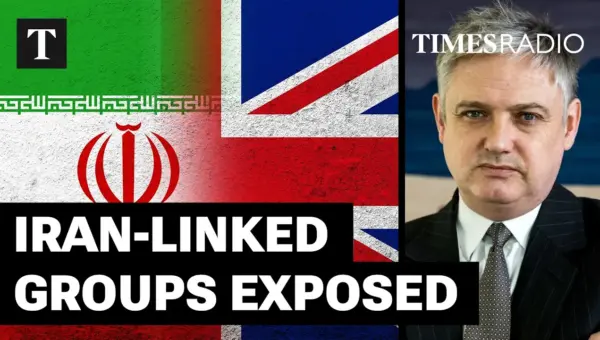
UK Charity Network Linked to Iran Faces Extremism Probe
A new report by Lord Walney identifies over 30 UK organizations allegedly linked to Iran, acting as 'soft power hubs.' The report raises concerns about insufficient scrutiny and potential links to the IRGC, prompting a review of the Charity Commission's powers.

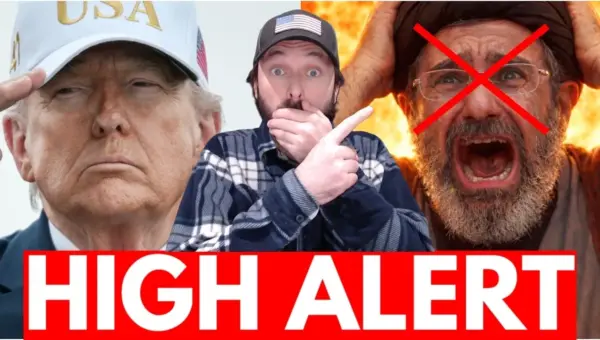
Iran’s New Leader Wounded Amidst Escalating War and Sleeper Cell Fears
Iran's new Supreme Leader, Mostafa Kamani, has reportedly been critically wounded, sparking fears of internal instability and external intervention. Simultaneously, intelligence suggests Iranian sleeper cells may be activating, while Iran's firing on NATO forces escalates the conflict to a new, dangerous phase.

Iran’s Pain Strategy: How Gas Prices Could Sink Trump’s Election Hopes
Iran's strategy to inflict maximum pain on the US through economic disruption, particularly rising gas prices, could significantly impact Donald Trump's political future. This analysis delves into Iran's calculated approach to deterrence and the broader regional implications.