Trump’s Iran Gambit: A Nation Unsettled by Unpopular War
A potential war with Iran is the least popular conflict start in U.S. history, raising concerns about domestic division and future presidential ambitions. The analysis explores the impact of midterm elections on White House dynamics and the long-term implications for U.S. foreign policy.

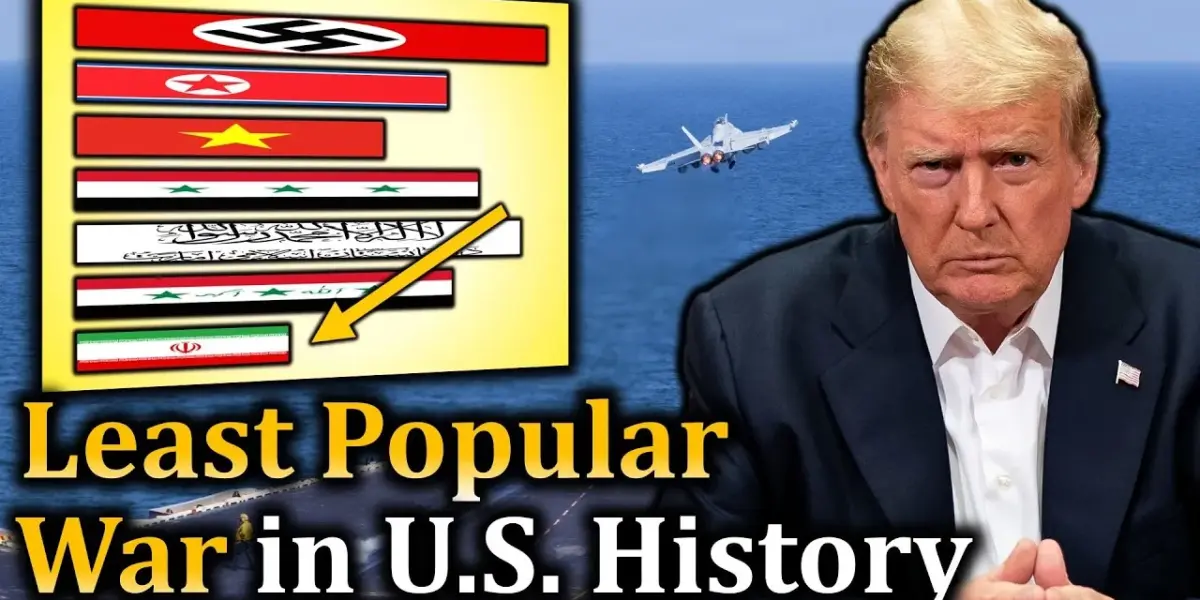
Trump’s Iran Gambit: A Nation Unsettled by Unpopular War
The specter of a potential war with Iran looms large, not just as a geopolitical concern, but as a deeply unpopular prospect among the American populace. Recent analyses suggest that any engagement, particularly one initiated during the latter half of a presidential term, could represent the least popular commencement of hostilities in recorded American history. This sentiment, rooted in public opinion data, raises critical questions about the administration’s strategic calculus and the domestic ramifications of foreign policy decisions.
The Unpopular War: Polling the Public’s Pulse
The transcript highlights a striking observation: the initiation of a war with Iran is currently the least popular war start in American history. This isn’t a minor detail; it’s a powerful indicator of public sentiment and a significant constraint on any administration contemplating such a move. The data implies a deep-seated weariness with prolonged military engagements and a heightened sensitivity to the human and financial costs of conflict. This widespread public aversion stands in stark contrast to historical instances where public support, while not always overwhelming, was at least present at the outset of military actions. The current polling suggests a public that is not only unconvinced of the necessity of such a conflict but actively opposed to it.
Downstream Consequences: Midterms and White House Divisions
Beyond the immediate concerns of foreign policy, the analysis delves into the downstream consequences of the midterm elections and their potential to exacerbate internal divisions within the White House. The outcome of these elections, often seen as a referendum on the current administration, can significantly alter the political landscape. A strong showing by the opposition party could embolden dissenting voices within the executive branch, leading to increased friction and a potential paralysis of decision-making. This internal discord, amplified by electoral setbacks, could hinder effective governance and complicate the execution of any established foreign policy agenda, particularly one as contentious as a potential conflict with Iran.
The 2028 Echo: Early Speculation on Presidential Aspirations
Intriguingly, the discussion extends to the distant horizon of the 2028 presidential election. The transcript poses the question of whether it is too early to consider such future electoral contests. This forward-looking perspective suggests that current policy decisions, especially those with long-term implications like potential military entanglements, can cast a long shadow, influencing the political capital and viability of future candidates. The mention of figures like Marco Rubio, and speculation about his potential presidential run, underscores the interconnectedness of present-day governance and future political ambitions. The actions taken today, particularly in foreign policy, can shape the narratives and opportunities for those eyeing the highest office in the land.
Marco Rubio’s Path: Navigating the Political Landscape
The analysis specifically brings up Marco Rubio’s potential path to the presidency, linking it to the broader political currents discussed. The transcript questions whether Rubio will indeed run, a question that resonates within the context of a potentially turbulent political environment. The strategic decisions made by the current administration, especially concerning international relations and potential conflicts, can create openings or obstacles for aspiring presidential candidates. A foreign policy misstep, such as an unpopular war, could tarnish the legacy of the incumbent party and create an opening for opposition figures. Conversely, a perceived strong stance or successful resolution of international crises could bolster the standing of those aligned with the administration’s foreign policy.
Why This Matters
The confluence of an unpopular potential war, the internal dynamics of the White House influenced by electoral outcomes, and the nascent stages of future presidential campaigns creates a complex and potentially volatile scenario. The public’s aversion to war serves as a crucial check on executive power, highlighting the importance of democratic accountability even in matters of national security. The potential for internal White House divisions underscores the fragility of governance under pressure and the need for cohesive leadership. Furthermore, the early consideration of future presidential elections indicates a political environment where current actions are constantly being evaluated for their impact on long-term aspirations, potentially leading to decisions driven as much by electoral strategy as by national interest.
Implications, Trends, and Future Outlook
The implications of these interwoven factors are profound. A prolonged period of geopolitical tension with Iran, coupled with domestic political division, could lead to a more unpredictable and unstable international environment. The trend towards greater public scrutiny of foreign military interventions is likely to continue, making future engagements even more challenging to initiate and sustain. The future outlook suggests a White House that must navigate a delicate balance between asserting national interests abroad and maintaining domestic consensus. For potential presidential candidates, the ability to articulate a clear and palatable foreign policy vision, one that resonates with a war-weary public, will be paramount.
Historical Context and Background
Historically, the United States has engaged in numerous conflicts, each with varying degrees of public support at its inception. The Vietnam War, for instance, saw initial public approval dwindle significantly as the conflict dragged on and its costs became apparent. The Iraq War, initiated under different circumstances, also faced increasing public skepticism over time. The current situation, where the *initiation* of a potential Iran conflict is met with such widespread unpopularity, suggests a potential shift in public tolerance for military action, perhaps influenced by recent experiences in the Middle East and a greater emphasis on domestic priorities. This historical backdrop provides a crucial lens through which to understand the current public sentiment and its potential influence on policy decisions.
Source: Iran Consequences: The Potential Chaos of Trump’s Final Two Years in Office (YouTube)

Related Articles


MAGA Voters Divided Over Potential Iran War
The potential for a US war with Iran has sparked debate at CPAC, revealing a divided MAGA base. While some support military action, many express concerns over prolonged conflicts and rising economic costs, particularly higher gas prices.
Trump Boasts Military Might, Slams Iran at Investment Summit
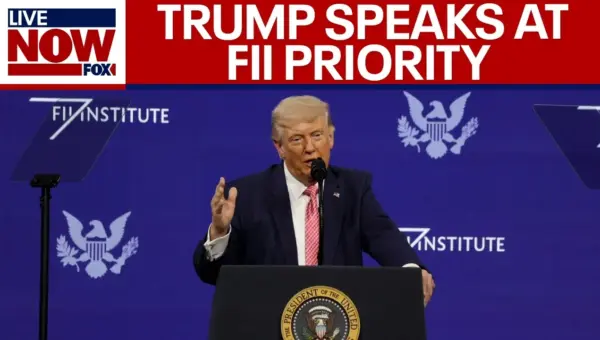
Former President Donald Trump spoke at the FII Priority Summit, detailing his administration's assertive stance against Iran and emphasizing the strength of the U.S. military. He claimed credit for dismantling Iran's military capabilities and preventing its nuclear ambitions. Trump also criticized NATO while praising Middle Eastern allies and touched on domestic issues like border security.
Pentagon Weighs 10,000 Troops for Iran Showdown
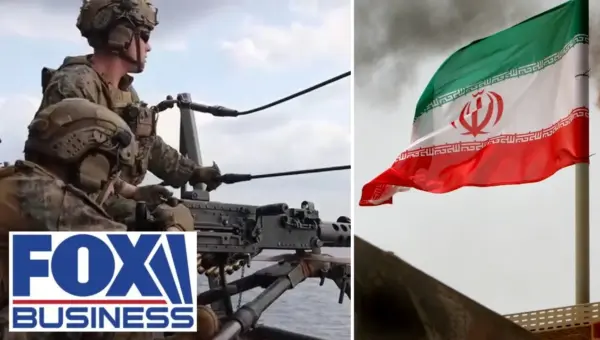
The Pentagon is reportedly weighing a significant troop increase of 10,000 soldiers to the Middle East, potentially escalating tensions with Iran. This move comes amid reports of U.S. precision strikes and interceptions of Iranian missiles by allies, raising concerns about regional stability and global oil supplies.