Trump’s Iran Gambit: A Deep Dive into Motives and Mayhem
An analysis of Donald Trump's potential motives for military action against Iran, as discussed by national security expert Juliette Kayyem, reveals concerns about personal ambition and advisor influence overriding strategic planning. The piece explores the erosion of institutional integrity and the broader implications for democracy.

Trump’s Iran Gambit: A Deep Dive into Motives and Mayhem
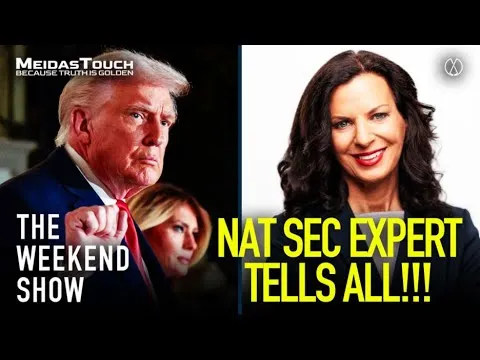
The recent escalation of tensions with Iran, particularly under the shadow of Donald Trump’s potential foreign policy approach, raises critical questions about presidential motivations, strategic coherence, and the very foundations of American democracy. A recent discussion featuring national security expert Juliette Kayyem on “The Weekend Show” offered a stark, if unsettling, glimpse into the potential drivers behind such high-stakes decisions, suggesting that personal ambition and the influence of key advisors might outweigh national interest and rational planning.
Unpacking the ‘Why’ Behind Potential Conflict
The core of the analysis revolves around understanding the ‘real motive’ behind Donald Trump’s potential inclination towards military action against Iran. While traditional foreign policy often hinges on strategic threats, deterrence, or the defense of allies, Kayyem’s insights, as presented in the show’s description, point towards a more complex and potentially self-serving set of motivations. The suggestion that Trump might engage in military action without a “coherent plan” is particularly alarming, hinting at a decision-making process driven by impulse or external pressures rather than careful strategic deliberation.
This perspective challenges the notion of a unified, rational foreign policy apparatus. Instead, it posits a scenario where personal political capital, or the desire to project an image of strength, could become primary motivators. In the volatile landscape of international relations, such an approach can have catastrophic consequences, potentially leading to unintended escalation, prolonged conflict, and a significant loss of life, both American and foreign.
The Shadow of Kushner and Unseen Influences
A significant element of the discussion, as previewed, is the potential influence of figures like Jared Kushner. Kushner, who served as a senior advisor during the Trump administration and has maintained close ties with the former president, has been a controversial figure in foreign policy circles. His involvement in Middle Eastern affairs, particularly his role in brokering the Abraham Accords, has been lauded by some and heavily criticized by others. The implication that his counsel could play a role in decisions regarding Iran suggests a potential divergence from established diplomatic channels and expert advice.
When individuals without extensive foreign policy or military backgrounds wield significant influence over critical national security decisions, the risk of miscalculation increases. This dynamic can lead to policies that are driven by personal relationships, ideological leanings, or even economic interests, rather than a comprehensive understanding of the geopolitical landscape. The lack of a “coherent plan” further amplifies these concerns, suggesting that such decisions might be more about optics or personal agendas than about achieving concrete, beneficial outcomes for the United States.
Loyalty Over Competence: The Kristi Noem Parallel
The mention of Kristi Noem’s removal from the Department of Homeland Security (DHS) serves as a parallel illustration of a broader trend within the context of Trump-aligned politics: the prioritization of loyalty over competence. Kayyem’s commentary suggests that in administrations or political movements where personal fealty is paramount, qualifications and expertise can be sidelined. This can lead to the appointment of individuals to critical positions who may lack the necessary skills or experience, ultimately weakening the institutions they are meant to lead.
The erosion of institutional integrity, as described, is a grave concern. When key government bodies are led by individuals whose primary qualification is their unwavering loyalty to a particular leader, rather than their ability to perform the duties of the office, the effectiveness and credibility of those institutions are compromised. This can have far-reaching consequences, from the inability to respond effectively to national security threats to the undermining of public trust in government.
Broader Implications for Democracy and Global Stability
The convergence of these factors—impulsive foreign policy decisions, the influence of unelected advisors, and the elevation of loyalty over competence—paints a worrying picture for the future of American democracy and its role on the global stage. The potential for a leader to initiate conflict without a clear strategy, influenced by a narrow circle of advisors, poses a significant threat to international stability. It can destabilize regions, alienate allies, and create power vacuums that adversaries can exploit.
Furthermore, this pattern of decision-making can erode democratic norms. When presidential actions are perceived as driven by personal whims or the demands of a loyal inner circle, rather than by a commitment to the rule of law and the collective good, it undermines the principles of accountability and transparency that are essential to a healthy democracy. The focus shifts from governance to personal power, and the institutions designed to check and balance that power are weakened or bypassed.
Why This Matters
The analysis presented offers a critical lens through which to view potential future foreign policy decisions under a Trump administration. It highlights the dangers of a leadership style that may prioritize personal ambition and loyalty over strategic foresight and expert counsel. The implications are profound: increased risk of international conflict, a weakened global standing for the United States, and an erosion of democratic institutions at home. Understanding these potential motivations and their historical parallels is crucial for citizens to make informed decisions about the kind of leadership they want and the future they envision for their nation and the world.
Historical Context and Future Outlook
While the specific context of Trump’s potential actions is unique, the dynamics of presidential decision-making, advisor influence, and the tension between loyalty and competence are recurring themes in American political history. Leaders have always relied on advisors, and the influence of figures outside traditional government structures is not entirely new. However, the emphasis on personal loyalty and the potential for bypassing established expertise, as suggested in the discussion, represent a more acute concern for institutional stability.
Looking ahead, the trend suggests a continued struggle between established foreign policy norms and more personalized, potentially populist, approaches. The international community will be watching closely, assessing whether American foreign policy will be guided by predictable alliances and strategic objectives or by the more volatile currents of domestic political imperatives. The outcome of this tension will undoubtedly shape global security for years to come.
Source: LIVE: Trump’s REAL MOTIVE for WAR REVEALED by Nat Sec Expert | The Weekend Show (YouTube)

Related Articles
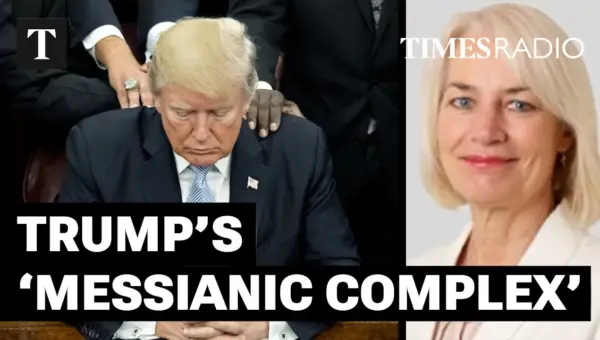
Trump’s ‘Messianic Complex’ Fuels Global Conflict, Analyst Says
Sarah Baxter, Director of the Marie Culvin Center for International Reporting, argues that Donald Trump's "messianic complex" is driving his foreign policy, potentially at the cost of domestic economic stability. The escalating conflict with Iran and rising oil prices have placed Vice President JD Vance in a difficult political position, fracturing the MAGA coalition and raising questions about future leadership within the Republican party.

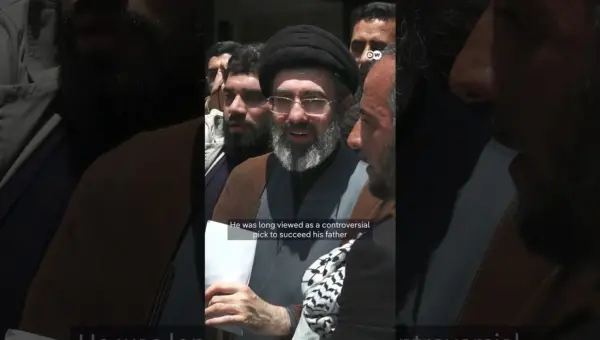
Iran Taps Khamenei’s Son as Leader, Signals Defiance
Iran's Assembly of Experts has appointed Mojtaba Khamenei, son of the late Ayatollah Ali Khamenei, as the next Supreme Leader, signaling defiance against international pressure. This controversial hardline choice, drawing parallels to dynastic succession, suggests Iran will not back down in its regional conflicts.

UK PM Must Court Trump Despite Party Backlash
British Prime Minister Keir Starmer faces a difficult balancing act, needing to maintain a crucial relationship with the US President despite domestic criticism. Rising global tensions and economic instability add further pressure, complicating the government's agenda and public finances.