Trump’s Iran Focus: A Nation Listens to Foreign Policy
Former President Donald Trump delivered a national address focused on Iran-related issues. The speech likely revisited his past policies, including the withdrawal from the Iran nuclear deal and the imposition of sanctions. This address highlights the ongoing debate surrounding U.S. foreign policy towards Iran and its regional implications.

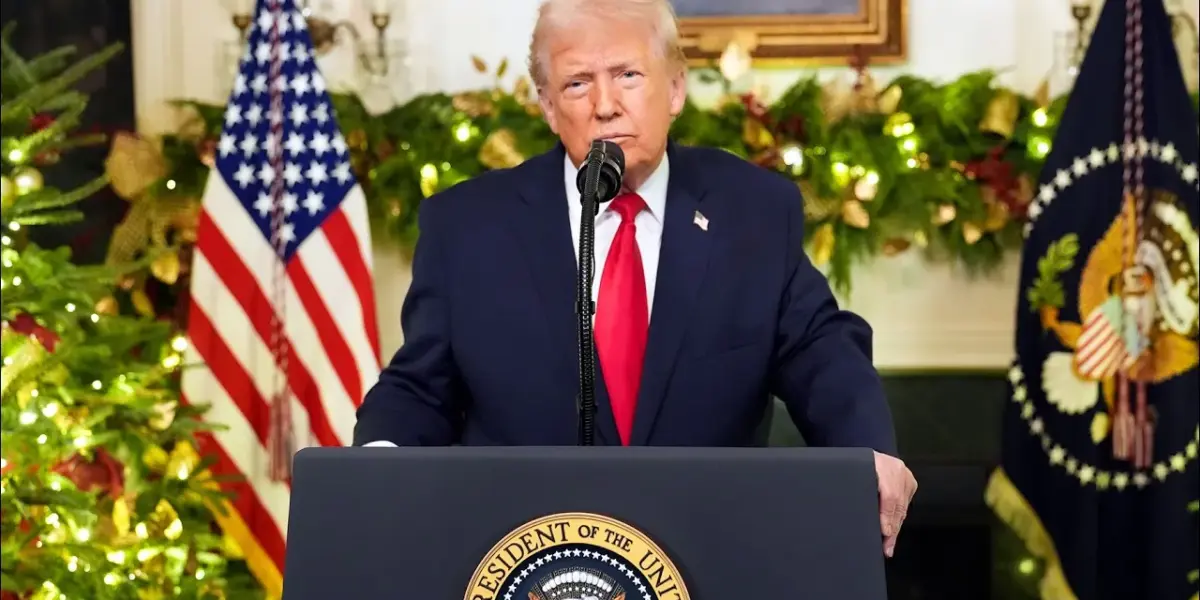
Trump Addresses Nation on Iran Policy
On April 1st, former President Donald Trump delivered a national address, focusing primarily on issues related to Iran. The speech, broadcast live, aimed to inform the public about his administration’s stance and actions concerning the Middle Eastern nation. This address comes at a time when foreign policy decisions, especially those involving Iran, often spark significant public interest and debate.
Context of the Address
Understanding the significance of Trump’s speech requires looking back at his previous foreign policy approach. During his presidency, Trump often took a firm stance against Iran, withdrawing the United States from the Joint Comprehensive Plan of Action (JCPOA), often called the Iran nuclear deal. This move was met with both praise and criticism, highlighting the deeply divided opinions on how to handle Iran’s nuclear program and its regional influence. His administration also imposed stringent sanctions on Iran, aiming to curb its economic and military capabilities.
The decision to re-engage with Iran, or to maintain a strong opposition, has always been a complex balancing act for U.S. presidents. Factors such as regional stability, the threat of nuclear proliferation, and economic interests all play a crucial role in shaping policy. Trump’s approach was often characterized by a willingness to challenge established diplomatic norms and pursue what he termed an “America First” agenda.
Key Themes and Potential Talking Points
While the exact details of the address are not provided in the transcript, the focus on Iran suggests several potential themes. Trump likely reiterated his criticisms of the JCPOA, possibly arguing that it did not adequately prevent Iran from pursuing nuclear weapons or that it emboldened the regime. He might have also discussed the impact of sanctions, presenting them as a successful tool to pressure Iran into changing its behavior.
Furthermore, the address could have touched upon Iran’s role in regional conflicts, such as its support for various militant groups in the Middle East. Trump’s past rhetoric often pointed to Iran as a destabilizing force, and he may have used this opportunity to outline his vision for a more secure region. The speech could also have been an attempt to rally support for his foreign policy initiatives or to draw a contrast with the current administration’s approach.
Public Reaction and Analysis
Speeches by former presidents, especially those with a significant policy focus, tend to generate diverse reactions. Supporters of Trump’s past policies would likely view his address as a reaffirmation of strong leadership and a necessary stance against what they perceive as a dangerous regime. They might see his focus on Iran as a sign of continued engagement with critical global issues.
Conversely, critics might question the effectiveness of his past policies, pointing to ongoing regional tensions or the humanitarian impact of sanctions. Some may argue that a more diplomatic approach, rather than one based solely on pressure, could be more beneficial. The address also provides an opportunity for political commentators and foreign policy experts to analyze its implications for current U.S. foreign policy and international relations.
Why This Matters
The United States’ relationship with Iran has long been a critical factor in Middle Eastern geopolitics. Decisions made in Washington regarding Iran have far-reaching consequences, affecting not only the two nations involved but also regional allies, global energy markets, and international security efforts. Trump’s continued focus on this issue suggests that it remains a significant concern for him and potentially for a segment of the American public.
Understanding the nuances of U.S. foreign policy towards Iran is essential for grasping the dynamics of the Middle East. It influences alliances, trade, and the ongoing struggle against terrorism and extremism. Trump’s addresses on such topics serve as important markers in the ongoing national conversation about America’s role in the world and how best to ensure its security and interests abroad.
Implications and Future Outlook
The implications of Trump’s continued engagement with Iran-related issues are multifaceted. For those who advocate for a tougher stance, his words might serve as a rallying cry, influencing future policy discussions within his political base. It could also signal to international partners that the debate over Iran policy is far from settled.
For the current administration, such addresses serve as a reminder of the differing perspectives on foreign policy and may influence their communication strategies. The future outlook for U.S.-Iran relations remains complex, with potential paths including renewed diplomatic engagement, continued economic pressure, or a combination of both. Trump’s public statements, like this address, will likely continue to be a factor in shaping these discussions and the broader foreign policy debate.
The enduring focus on Iran by figures like Donald Trump underscores the persistent challenges in managing international relations. It highlights how past policies and differing ideologies can continue to shape present-day foreign policy debates, even after a president leaves office. The public’s attention to these addresses shows a continued interest in understanding and influencing America’s place on the global stage.
Source: LIVE: President Trump Addresses the Nation (April 1) (YouTube)

Related Articles

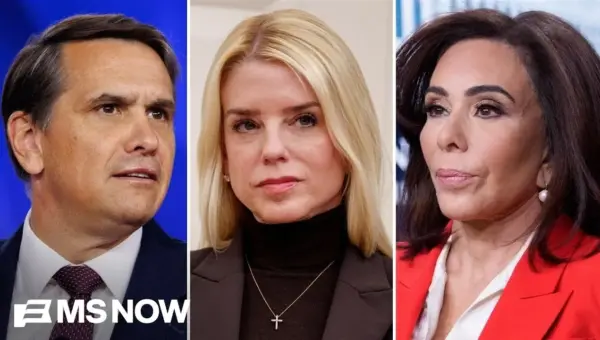
Trump’s Impossible Demands Reshape Justice Department
President Trump's demand for loyalty and action outside legal norms has reshaped the Justice Department. Recent departures, like Pam Bondi's, highlight the difficulty of fulfilling the President's "impossible tasks." The search for a new Attorney General continues amidst concerns about the DOJ's independence.

Trump Fires AG Bondi, Iran Tensions Rise, Artemis II Heads to Moon
Attorney General Pam Bondi has been fired by President Trump, with Deputy AG Todd Blanche stepping in as acting AG. Amidst rising oil prices and escalating tensions, the U.S. warns Iran as the Artemis II mission successfully heads towards the Moon. Golfer Tiger Woods was arrested for DUI and is stepping away for treatment.


Trump’s Leadership: A Moral Vacuum for Young Learners?
Young people seek moral guidance from leaders, but what lessons does Donald Trump offer? Some argue his approach teaches negative behaviors like bullying and isolation, contrasting with traits like patience and gratitude seen in others. This raises questions about leadership character and its impact on societal values.