Trump’s Iran Endgame: Victory or Retreat as Tensions Flare?
President Trump's confident claims of an imminent end to tensions with Iran are being questioned amidst mixed signals and shifting policies. Analysts debate whether the U.S. is nearing a victory or seeking an exit, as Iran tests U.S. threats while the region watches closely.

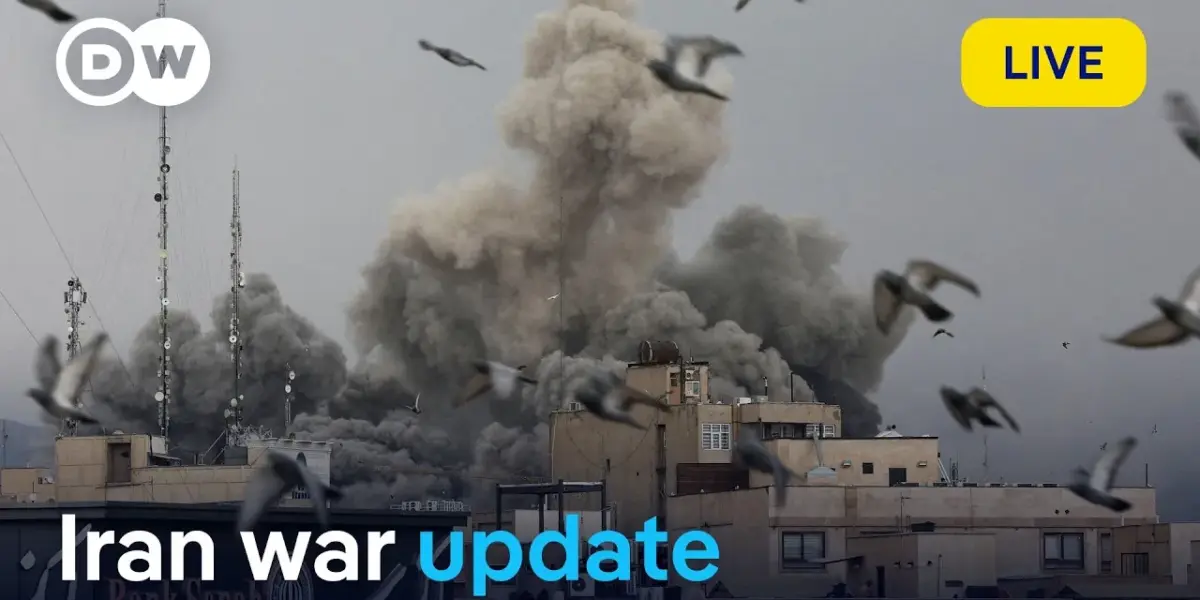
US Policy on Iran Faces Scrutiny Amid Shifting Stance
Washington, D.C. – President Donald Trump’s repeated assertions that a conflict with Iran will be “over very soon” are facing increasing scrutiny as mixed signals and evolving red lines from the White House fuel debate over the administration’s strategy. While Trump projects confidence in an imminent resolution, his administration’s actions and rhetoric suggest a complex and potentially precarious situation, prompting questions about whether the U.S. is nearing a strategic victory or seeking an exit from escalating tensions.
Unpacking Trump’s “Very Soon” Promise
The core of the current debate revolves around Trump’s seemingly optimistic timeline for resolving the standoff with Tehran. For months, the U.S. president has alluded to a swift conclusion, yet the reality on the ground has been one of heightened military posturing and increased regional instability. This dissonance has led analysts to question the substance behind Trump’s pronouncements. Is the administration strategically de-escalating, as some suggest, or is it grappling with the consequences of its own policies, seeking a way to disengage without appearing to concede?
“The question is whether Trump is strategically de-escalating or chickening out,” noted one analysis of the situation, highlighting the dichotomy of interpretations. This uncertainty is compounded by the administration’s shifting red lines and its sudden openness to dialogue, a departure from its previous maximum pressure campaign.
Iran’s Calculated Response to U.S. Threats
Meanwhile, Iran has been actively testing the boundaries of U.S. threats, employing a strategy that appears to balance defiance with a degree of calculated restraint. The Islamic Republic has continued its regional activities, challenging U.S. interests and those of its allies, while also avoiding direct, large-scale confrontations that could trigger a full-blown military response. This approach allows Tehran to maintain its influence and project strength without immediately escalating to a point of no return.
The dynamic between U.S. threats and Iran’s responses creates a volatile environment. Each side appears to be probing the other’s resolve, with the potential for miscalculation remaining high. The effectiveness of Iran’s strategy lies in its ability to impose costs on the U.S. and its allies through proxy forces and asymmetric tactics, thereby complicating any U.S. military objective.
Regional Implications and U.S. Credibility at Stake
The ongoing tensions between the U.S. and Iran have significant implications for the wider Middle East. The region is already grappling with numerous conflicts and geopolitical rivalries, and the U.S.-Iran standoff adds another layer of complexity and risk. Allies of the United States in the region are closely watching the developments, seeking clarity on U.S. commitment and strategy. The perceived wavering or inconsistency in U.S. policy could undermine its credibility and its ability to maintain regional stability.
Furthermore, the economic consequences of prolonged tensions, including disruptions to oil markets and increased insurance costs for shipping, continue to be a concern. The diplomatic fallout also impacts international efforts to address other pressing regional issues.
The Path Forward: What’s Next for U.S.-Iran Relations?
As the situation evolves, several key questions remain unanswered. Will President Trump’s “very soon” promise materialize, and if so, what will that endgame look like? Will diplomatic channels open effectively, or will the cycle of threats and responses continue to dominate? The next moves by both Washington and Tehran will be critical in shaping the future of U.S.-Iran relations and the stability of the Middle East.
The international community remains on edge, awaiting further developments and seeking a de-escalation that prevents a wider conflict. The coming weeks will likely reveal more about the true intentions behind the administration’s rhetoric and Iran’s capacity to withstand or navigate further pressure.
Source: Iran: Is Trump's "very soon" endgame holding up? | DW News (YouTube)

Related Articles

Trump’s Iran Policy Aids Russia, Hurts Europe, Expert Warns
A leading Russian finance expert warns that President Trump's actions regarding Iran and Russia are a "gift" to Vladimir Putin, enabling Moscow's war in Ukraine while harming Europe's energy security. The expert suggests Trump's policies prioritize business over geopolitical stability.


Oil Surges Towards $150 Amid Escalating Iran Conflict
Escalating tensions involving Iran and the effective closure of the Strait of Hormuz are fueling fears of oil supply disruptions and potential price surges towards $150 per barrel. While some analysts predict dire consequences, options market data suggests a less extreme outlook. Geopolitical risks continue to dominate market sentiment, though some economic indicators point to underlying resilience.

Ukraine Offers Drone Defense Expertise Amid Global Escalation
Ukraine is now offering its hard-won expertise in countering drone attacks to nations facing similar threats, a significant shift amidst global escalations. As the Kremlin issues dire warnings, European leaders reaffirm unwavering support for Kyiv, while economic and geopolitical landscapes are reshaped by regional conflicts and shifting energy dependencies.