Trump’s Iran Deal Threatens US Credibility
Critics argue that Donald Trump's approach to a potential Iran ceasefire deal will result in a strategic humiliation for the United States. Concerns include Iran gaining more control over vital waterways and maintaining its nuclear program, while exposing U.S. military vulnerabilities and eroding regional credibility.


Trump’s Iran Deal Threatens US Credibility
The United States appears to be heading towards a major defeat in the Middle East. This stems from the terms of a potential ceasefire deal with Iran, which critics argue will be a strategic humiliation. Even supporters of Donald Trump’s policies are questioning the proposed agreement. This comes after Trump made extreme threats about ending Iran’s civilization.
Concerns Over the Deal’s Terms
Key objectives set by the president have not been met. These include dismantling Iran’s major nuclear facilities and ending uranium enrichment. Iran has also not transferred its enriched uranium stockpiles out of the country. Furthermore, Iran is still unwilling to accept intrusive international inspections and has not suspended its ballistic missile program.
Iran’s Growing Influence
Experts believe Iran will likely gain greater control over the Strait of Hormuz. The current Iranian regime also appears set to remain in power. Senator Chris Murphy noted that Iran would control and toll the strait for the first time, while keeping its nuclear program and missiles. He called this outcome a disaster.
Loss of American Credibility
A significant consequence for the U.S. is the loss of credibility in the region. The nation was unable to protect its allies from Iranian attacks and, alarmingly, could not even protect its own troops on its bases. This vulnerability has been highlighted by events like the evacuation of personnel from a U.S. naval base in Bahrain due to safety concerns.
“Iran’s greatest victory might simply have been to demonstrate America’s vulnerability.”
Military Vulnerabilities Exposed
The ability of the U.S. military to maintain its own bases in the region has been questioned. Carrier battle groups have been moved because they are no longer considered safe in the Gulf. The evacuation of thousands of personnel from a naval base in Bahrain underscores this issue. This has placed a burden on family support groups and nonprofits to help relocate service members and their families.
Risks of Using Civilian Populations
A serious concern is the U.S. military placing troops in civilian hotels in other countries. This practice could inadvertently turn civilian populations into human shields. Such actions are criticized when carried out by adversaries. It raises fears that these locations could become targets, potentially endangering innocent civilians and Americans traveling for business.
Iran’s Asymmetric Strengths
While the Pentagon focuses on Iran’s missile and naval capabilities, its true strength may lie elsewhere. Iran has a large number of hardened fighters who can operate effectively with minimal support. Their ability to use methods like fishing boats or sleeper cells for operations poses a significant threat. The recent attack on a desalination plant in Kuwait and an oil facility served as a signal of Iran’s retaliatory capabilities, even before deploying its most effective resources like commandos.
Trump’s Rhetoric and War Crimes Concerns
Donald Trump’s rhetoric has been particularly alarming. His threats to end entire civilizations have been called a threat to commit genocide. Such statements raise serious questions about war crimes and the rule of law. Critics argue that if threatening genocide is not considered a high crime, then the checks and balances of government are failing.
Call for Accountability and Resistance
There is a call for accountability for those who commit war crimes. Representative Ted Lieu has stated that military personnel will disobey illegal orders and that the next administration will prosecute those who commit war crimes. This message is seen as crucial for functionaries within the government and military.
Historical Parallels and Future Outlook
Some draw parallels between current U.S. policy and past support for repressive regimes. The argument is that such actions can breed long-term animosity. The current situation is described as reaching nightmare levels, with the potential for a global depression and even nuclear war. The hope is that the negative experience of the Trump administration will prevent similar policies from being adopted in the future.
The situation demands strong resistance, potentially including actions like a general strike. Individuals are encouraged to prepare for austerity measures, as imposing costs on the current U.S. regime may be necessary to force a change in course. The ultimate goal is to ensure that such an experiment is never repeated and that perpetrators are held accountable.
Source: Vets WARN of TRUMP DEFEAT in WAR! (YouTube)

Related Articles
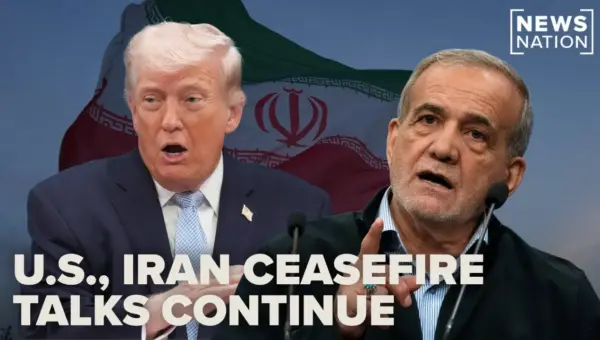
Iran Threatens Strait of Hormuz Amid Lebanon Strikes
Iran threatens to close the vital Strait of Hormuz in response to ongoing strikes in Lebanon. The US is trying to de-escalate, but actions on the ground remain a concern, potentially impacting global oil markets and future negotiations.

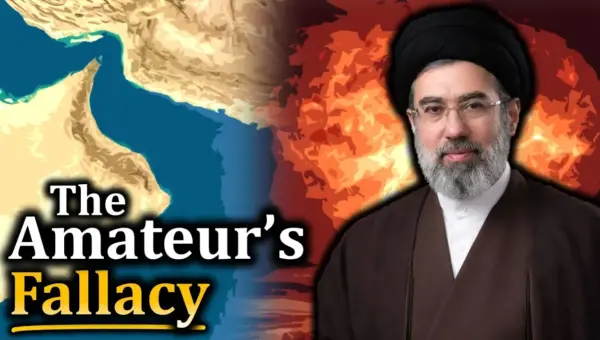
Iran’s Hormuz Threat: A Known Tactic, Not New
Recent conflict did not teach Iran a new tactic by threatening to close the Strait of Hormuz. Experts and Iranian planners have long understood this strategic leverage. The effectiveness of the recent shutdown was tied to global perceptions of the preceding conflict's instigator, not a newfound Iranian capability.

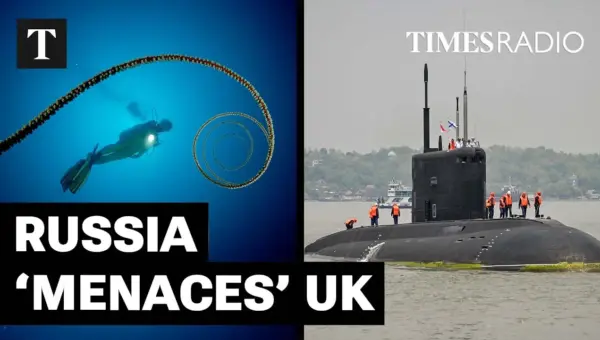
Russia Submarine Spying Threatens UK’s Critical Underwater Links
Three Russian submarines attempted to spy on UK underwater cables and pipelines, the Defense Secretary revealed. The Royal Navy tracked the vessels, sending a clear message that such actions will not be tolerated. This incident is seen as part of Russia's strategy to pressure Britain over its support for Ukraine.